
Range Rover Engine: Engineering Excellence, Power, and Innovation
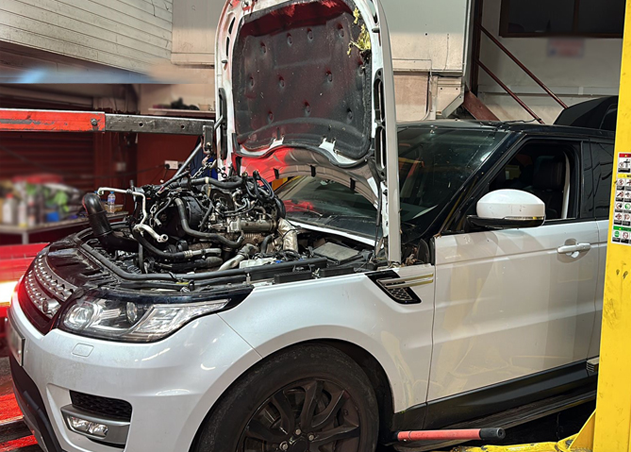
Introduction
The Range Rover is widely recognized as one of the most luxurious and capable SUVs in the world. Behind its refined exterior and premium comfort lies a sophisticated engine lineup designed to deliver power, efficiency, and reliability across different driving conditions. From rugged off-road terrains to smooth highway cruising, the Range Rover engine has evolved through decades of engineering innovation, blending performance with modern environmental standards.
This article explores the history, technology, types, performance features, and future directions of Range Rover engines in detail.
The Legacy Behind Range Rover Engines
Range Rover vehicles are produced by Land Rover , a brand known for combining luxury with off-road capability. Since the original Range Rover debuted in 1970, engine development has played a central role in defining the vehicle's identity.
Initially, Range Rover models focused on durability and torque rather than speed. Early engines were designed to handle harsh environments, steep inclines, and long-distance expeditions. Over time, customer expectations shifted toward refined performance, better fuel economy, and reduced emissions.
Today, engine development is managed under Jaguar Land Rover, which integrates advanced engineering technologies across both luxury and performance vehicles.
Evolution of Range Rover Engines
1. Early V8 Engines
The first Range Rover models featured naturally aspirated V8 engines. These engines prioritized torque delivery, essential for off-road driving. Although powerful for their era, they were relatively simple in design compared to modern standards.
Key characteristics included:
-
Strong low-end torque
-
Mechanical reliability
-
Simple fuel systems
-
High fuel consumption
Despite limited efficiency, these engines established the Range Rover’s reputation for strength and endurance.
2. Expansion into Diesel Power
As global markets demanded improved fuel efficiency, diesel engines became a major part of the Range Rover lineup. Diesel engines offered:
-
Better fuel economy
-
Increased torque for towing
-
Longer engine lifespan
-
Improved long-distance performance
Modern diesel engines introduced turbocharging and electronic fuel injection, significantly improving refinement and reducing noise levels.
3. Modern Ingenium Engine Family
One of the biggest milestones in Range Rover engine development was the introduction of modular engines designed for efficiency and flexibility. These engines are lighter, cleaner, and more technologically advanced than previous generations.
Key improvements include:
-
Aluminum construction to reduce weight
-
Turbocharging for improved performance
-
Lower emissions output
-
Enhanced thermal efficiency
These engines allow Range Rover vehicles to deliver strong performance while meeting strict environmental regulations worldwide.
Types of Range Rover Engines
Range Rover models now offer multiple engine options tailored to different driving needs.
Inline-Four Turbocharged Engines
These engines focus on efficiency without sacrificing performance.
Advantages:
-
Improved fuel economy
-
Reduced emissions
-
Smooth urban driving experience
-
Lower running costs
They are ideal for drivers who prioritize luxury comfort and daily usability.
Inline-Six Mild Hybrid Engines
The inline-six configuration combines performance with electrification technology.
Features include:
-
Electric assistance during acceleration
-
Energy recovery during braking
-
Smooth power delivery
-
Reduced fuel consumption
Mild hybrid systems enhance responsiveness while maintaining traditional engine characteristics.
V8 Twin-Turbo Engines
For drivers seeking maximum power, V8 engines remain the flagship option.
Performance benefits:
-
Rapid acceleration
-
High towing capacity
-
Exceptional highway performance
-
Sport-oriented driving dynamics
These engines transform the Range Rover into both a luxury cruiser and a high-performance SUV.
Plug-In Hybrid Engines (PHEV)
Modern Range Rover models also include plug-in hybrid powertrains that combine electric motors with gasoline engines.
Key advantages:
-
Electric-only driving capability
-
Lower emissions
-
Quiet operation in city environments
-
Improved fuel efficiency
Hybrid technology represents a major step toward sustainable luxury mobility.
Advanced Engine Technologies
Range Rover engines incorporate several advanced technologies that enhance performance and efficiency.
Turbocharging and Supercharging
Forced induction systems compress air entering the engine, allowing more fuel to burn efficiently. This results in:
-
Increased horsepower
-
Better torque output
-
Smaller engine sizes with higher performance
Mild Hybrid Electric Vehicle (MHEV) Systems
Mild hybrid systems support the engine using electric assistance. They help during acceleration and restart the engine smoothly during stop-start traffic conditions.
Benefits include:
-
Reduced fuel consumption
-
Faster throttle response
-
Lower emissions
Intelligent Thermal Management
Modern engines use smart cooling systems that regulate temperature precisely. This improves efficiency and prevents unnecessary energy loss.
Advanced Engine Control Units (ECUs)
Sophisticated software constantly monitors engine performance, adjusting fuel injection, timing, and airflow to optimize power and efficiency in real time.
Performance and Driving Experience
Range Rover engines are engineered not just for speed but for versatility. Unlike sports cars designed purely for acceleration, Range Rover engines must perform equally well on highways, mountains, deserts, and muddy trails.
Off-Road Capability
High torque output allows the vehicle to:
-
Climb steep inclines
-
Drive through sand and mud
-
Tow heavy loads
-
Maintain traction in challenging conditions
The engine works alongside terrain response systems to adapt performance automatically.
On-Road Comfort
Range Rover engines are tuned for refinement. Features such as improved insulation, balanced engine mounts, and smooth transmissions ensure:
-
Minimal vibration
-
Quiet cabin experience
-
Seamless acceleration
This combination makes long-distance travel exceptionally comfortable.
Reliability and Maintenance
Range Rover engines are sophisticated machines that require proper maintenance to perform at their best.
Recommended practices include:
-
Regular oil changes using manufacturer-approved oil
-
Timely air and fuel filter replacement
-
Cooling system inspections
-
Software updates when available
Modern engines rely heavily on electronics, making professional servicing important for long-term reliability.
Collaboration and Engineering Influence
Throughout its history, Range Rover engine development has benefited from partnerships with major automotive companies. At various times, engineering collaboration and technology sharing involved manufacturers such as BMW and Ford Motor Company, contributing to advancements in engine design and manufacturing processes.
These collaborations helped introduce modern fuel systems, improved reliability standards, and refined performance characteristics.
Environmental Focus and Future Engines
The automotive industry is shifting towards electrification, and Range Rover engines are evolving accordingly.
Future developments include:
-
Expanded hybrid technology
-
Increased electric driving range
-
Reduced carbon emissions
-
Transition toward fully electric SUVs
The goal is to maintain luxury performance while meeting global sustainability targets.
Why Range Rover Engines Stand Out
Several factors distinguish Range Rover engines from Competitors:
-
Balance of luxury and power – Performance without sacrificing comfort.
-
Off-road engineering expertise – Engines designed for real-world challenges.
-
Advanced technology integration – Hybrid systems and intelligent controls.
-
Continuous innovation – Ongoing evolution towards electrification.
This balance makes Range Rover engines suitable for both adventurous drivers and luxury-focused owners.
Conclusion
The Range Rover engine represents decades of engineering progress, combining strength, sophistication, and innovation. From early V8 powerplants built for rugged exploration to modern hybrid systems focused on efficiency and sustainability, the evolution reflects changing automotive demands and technological advancement.
Today's Range Rover engines deliver a unique driving experience — powerful enough for extreme terrains yet refined enough for premium urban travel. As electrification continues to reshape the automotive landscape, future Range Rover powertrains are expected to push boundaries even further, ensuring that performance, luxury, and environmental responsibility coexist seamlessly.
For more information .

 Turkish