
The Science Behind Red Light Therapy Devices Explained Simply
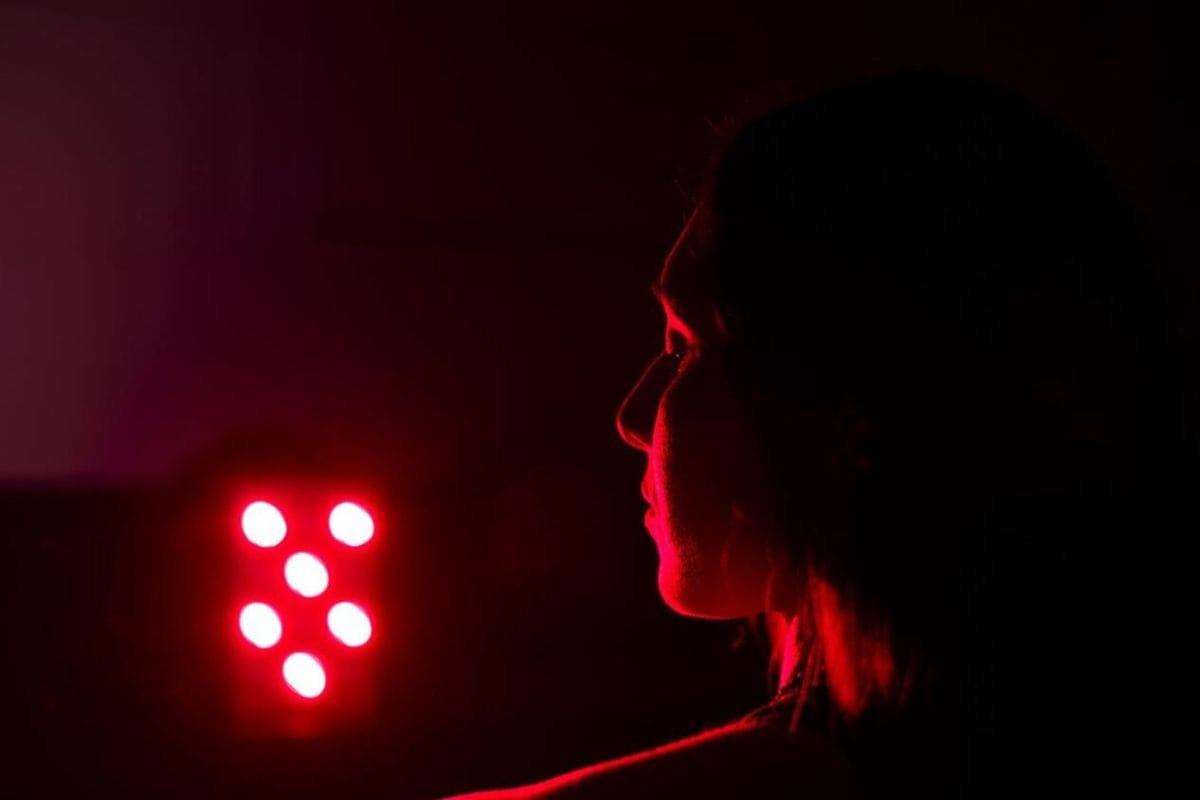
Red light therapy has moved from niche medical use into mainstream wellness, attracting attention from people interested in recovery, skincare, and overall health—much like those searching for the best infrared sauna blanket uk as part of a modern self-care routine. While the idea of healing with light may sound futuristic, the science behind red light therapy devices is actually well-researched and surprisingly easy to understand when broken down step by step.
This article explains how red light therapy works, what happens inside your body, and why these devices are becoming so widely used—all without complicated scientific jargon.
What Is Red Light Therapy?
Red light therapy is a non-invasive treatment that uses specific wavelengths of red and near-infrared light to stimulate natural biological processes in the body. Unlike sunlight or tanning lamps, red light therapy does not use ultraviolet (UV) rays, which can damage skin. Instead, it relies on safe, controlled wavelengths that penetrate the skin and are absorbed by cells.
The therapy is also known as photobiomodulation, a term that simply means “using light to influence biological activity.” Today, red light therapy is used in clinics, gyms, and homes, with providers such as lume red light contributing to its growing visibility in the wellness space.
Why Light Can Affect the Human Body
To understand the science, it helps to remember that the human body runs on energy. Every cell needs energy to function, repair damage, and stay healthy. This energy comes from molecules called ATP (adenosine triphosphate), which are produced inside the cell.
Light, when delivered at the right wavelength, can influence how efficiently cells produce ATP. Red and near-infrared light happen to fall into a range that human cells can absorb and use productively. Instead of causing harm, these wavelengths support natural cellular activity.
The Role of Mitochondria
The real science behind red light therapy devices begins with the mitochondria. Mitochondria are often described as the “power plants” of cells because they generate ATP. When mitochondria are functioning well, cells have more energy to repair, regenerate, and perform their roles efficiently.
Red and near-infrared light penetrate the skin and reach the mitochondria. Once absorbed, the light helps improve mitochondrial efficiency. One theory suggests that light helps remove nitric oxide buildup inside mitochondria, allowing oxygen to bind more effectively and ATP production to increase.
More ATP means more energy for the cell, which can translate into faster healing, reduced inflammation, and improved overall function.
Why Specific Wavelengths Matter
Not all light works the same way. Red light therapy devices are designed to emit very specific wavelengths, typically:
-
Red light: around 630–660 nanometers
-
Near-infrared light: around 810–880 nanometers
Red light mainly affects the skin and surface tissues. This is why it’s commonly used for skincare, collagen production, and improving skin tone. Near-infrared light penetrates deeper into muscles, joints, and connective tissues, making it useful for pain relief, muscle recovery, and joint support.
The science shows that these wavelengths hit a “sweet spot” where light can enter the body without being blocked or causing damage.
How Red Light Therapy Reduces Inflammation
Inflammation is the body’s natural response to injury or stress, but chronic inflammation can slow healing and contribute to discomfort. One reason red light therapy is popular is its ability to support the body’s anti-inflammatory processes.
By improving cellular energy production and circulation, red light therapy helps cells repair themselves more efficiently. This can reduce the signals that trigger prolonged inflammation. Improved blood flow also helps deliver oxygen and nutrients to affected areas while removing waste products more effectively.
The result is often reduced swelling, stiffness, and discomfort over time.
How Red Light Therapy Supports Skin Health
From a scientific perspective, red light therapy supports skin health by influencing fibroblasts—the cells responsible for producing collagen and elastin. Collagen helps keep skin firm and smooth, while elastin supports flexibility.
When fibroblasts receive more energy from increased ATP production, they can function more effectively. This is why red light therapy is commonly associated with improvements in skin texture, fine lines, and overall skin appearance.
Unlike aggressive cosmetic treatments, red light therapy works with the skin rather than damaging it to force regeneration.
Muscle Recovery and Tissue Repair
Muscles experience tiny tears during exercise, which is a normal part of building strength. Recovery depends on how quickly and efficiently the body can repair this tissue. Red light therapy supports this process by improving circulation and cellular energy in muscle tissue.
Scientific studies have shown that red and near-infrared light can reduce muscle soreness and support faster recovery after physical activity. This is why athletes and fitness enthusiasts often use red light therapy devices as part of their recovery routine.
Why Red Light Therapy Is Considered Safe
One of the reasons red light therapy has gained popularity is its safety profile. Because it does not involve heat, UV radiation, or chemicals, it is generally well tolerated. The light levels used in therapy are carefully controlled to stimulate cells without damaging them.
When used according to manufacturer guidelines, red light therapy devices are considered low risk and suitable for regular use. This makes them appealing to people looking for gentle, non-invasive wellness tools.
At-Home Devices vs Clinical Use
Clinics have used red light therapy for years, but advances in LED technology have made at-home devices more accessible. While professional systems may be more powerful, home devices use the same core science, just at a lower intensity, designed for safe personal use.
Consistency is more important than power. Regular, moderate sessions often produce better results than occasional intense exposure.
Final Thoughts
The science behind red light therapy devices is rooted in basic biology: cells need energy to function, and specific wavelengths of light help them produce that energy more efficiently. By supporting mitochondrial function, circulation, and cellular repair, red light therapy works with the body’s natural systems rather than overriding them.
What makes red light therapy especially appealing is its simplicity. There are no complex procedures or harsh interventions—just targeted light delivered in a controlled way. As research continues and technology improves, red light therapy is likely to remain a trusted tool in the growing world of wellness and recovery.

 English