
Why a Closed Loop Referral System Drives Sustainable Growth
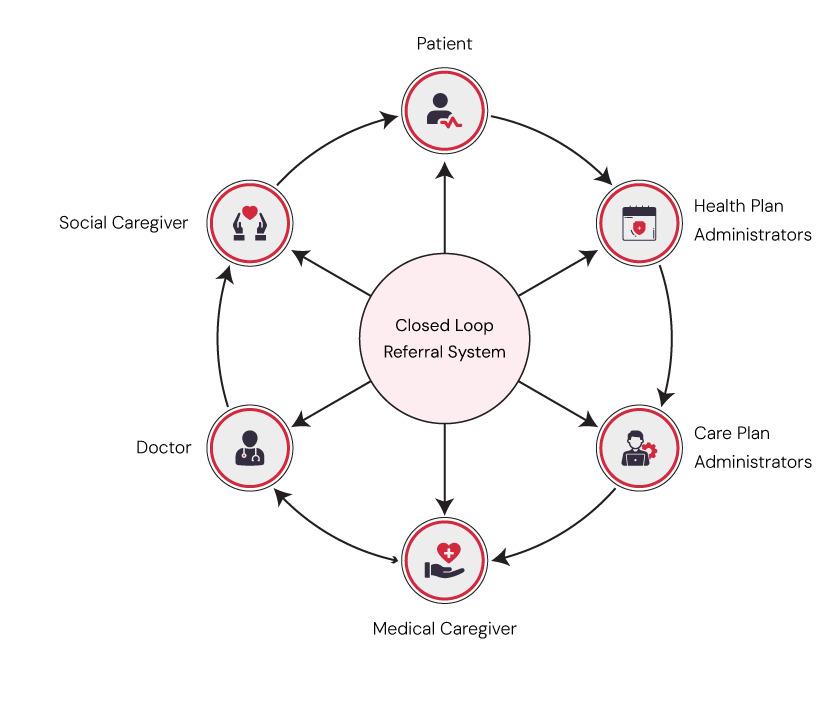
Every referral represents an opportunity—not just to acquire a new customer or connect someone with the right service, but to strengthen trust between organizations and the people they serve. Unfortunately, many referrals lose momentum because there is little visibility into what happens after they are submitted. A Closed Loop Referral System changes this by creating a transparent process where referrals are tracked, managed, and communicated from beginning to end. Instead of leaving referrers and recipients guessing, organizations can build confidence through consistent updates, streamlined collaboration, and measurable outcomes.
The Hidden Cost of Broken Referral Processes
Many businesses and nonprofit organizations believe they have an effective referral strategy simply because they receive recommendations. However, collecting referrals is only one part of the equation. The real challenge begins after a referral is submitted.
Without a structured workflow, referrals can easily become delayed, misplaced, or forgotten. Referrers rarely receive updates, internal teams struggle to coordinate their efforts, and organizations miss opportunities to convert valuable relationships into lasting partnerships.
These inefficiencies often result in:
-
Poor communication between departments
-
Slow response times
-
Reduced referral conversions
-
Frustrated referral partners
-
Limited accountability
-
Incomplete reporting
Over time, these issues can weaken even the strongest referral network.
Referral Success Depends on Trust
Referrals are built on trust. Whether a healthcare provider recommends a specialist, a nonprofit connects someone with community resources, or a business partner introduces a potential client, the referrer is putting their reputation on the line.
If there is no feedback or visibility after the referral is made, confidence begins to decline. People naturally become less willing to recommend services when they never know whether their referrals were successfully handled.
A closed-loop approach solves this challenge by ensuring every participant stays informed throughout the referral journey.
Moving Beyond One-Time Transactions
Traditional referral systems often treat referrals as isolated events. Someone submits a recommendation, and the interaction effectively ends there.
A Closed Loop Referral System transforms this model into an ongoing relationship by creating continuous communication between everyone involved.
Instead of asking, "Was my referral received?" stakeholders can easily see:
-
When the referral was submitted
-
Who accepted the referral
-
Current referral status
-
Expected next steps
-
Completion updates
-
Final outcomes when appropriate
This continuous feedback loop creates stronger engagement while reducing uncertainty.
Why Organizations Are Embracing Closed-Loop Referrals
As collaboration becomes increasingly important across industries, organizations need referral systems that support transparency rather than fragmentation.
Modern referral management helps organizations:
Improve Collaboration
Different teams often participate in the referral lifecycle. Sales representatives, case managers, healthcare professionals, nonprofit coordinators, and customer success teams all require access to accurate information.
A centralized referral platform enables everyone to work from the same source of truth.
Deliver Faster Responses
Speed matters.
Delayed referrals can result in lost business opportunities, dissatisfied clients, or delayed access to critical services.
Automation reduces unnecessary waiting by routing referrals directly to the appropriate team while triggering instant notifications.
Increase Accountability
Every referral should have clear ownership.
Closed-loop referral workflows assign responsibility at every stage, making it easy to identify who is handling each referral and what actions remain outstanding.
Managers gain complete visibility without relying on manual follow-ups.
The Core Components of an Effective Referral Ecosystem
Successful referral management relies on more than software. It combines technology with repeatable processes that encourage collaboration and continuous improvement.
Centralized Referral Intake
An organized intake process ensures all referrals enter the system using consistent information.
This improves data quality while reducing duplicate records and incomplete submissions.
Standardized forms also simplify referral review and routing.
Intelligent Workflow Automation
Automation is one of the greatest advantages of modern referral management.
Instead of manually forwarding emails or updating spreadsheets, organizations can automatically:
-
Assign referrals
-
Notify team members
-
Send confirmation messages
-
Trigger reminders
-
Escalate overdue referrals
-
Record activity history
Automation allows teams to spend less time on administrative work and more time supporting customers or clients.
Real-Time Referral Tracking
Visibility is one of the defining characteristics of a closed-loop process.
Real-time dashboards allow users to monitor referral progress without interrupting other team members.
Status updates reduce unnecessary emails while improving collaboration across departments.
Secure Information Sharing
Referral management frequently involves confidential information.
A secure referral platform protects sensitive data while allowing authorized users to collaborate effectively.
Role-based permissions ensure that individuals only access the information relevant to their responsibilities.
Data Turns Referrals into Strategic Insights
Every referral generates valuable information that can improve future decision-making.
Organizations can monitor:
-
Referral sources
-
Average response time
-
Completion rates
-
Conversion percentages
-
Service demand
-
Team performance
These metrics help leaders identify process improvements while demonstrating measurable program impact.
Rather than relying on assumptions, organizations can make informed decisions backed by real data.
Industry Applications Continue to Expand
Although referral systems were once associated primarily with healthcare, today's organizations across multiple sectors recognize their value.
Healthcare Networks
Healthcare providers depend on timely communication between physicians, specialists, hospitals, and community organizations. A closed-loop approach helps ensure patients receive coordinated care while reducing missed follow-ups.
Community-Based Organizations
Community agencies often collaborate to connect individuals with housing assistance, education, employment services, food support, and mental health resources.
Referral transparency helps ensure that clients successfully access the services they need while partner organizations remain informed throughout the process.
Business Partnerships
Companies use referral programs to generate qualified leads and strengthen strategic alliances.
A structured referral workflow improves communication, shortens sales cycles, and builds greater confidence between business partners.
Nonprofit Organizations
Nonprofits frequently rely on collaborative referral networks to maximize community impact.
A centralized referral solution improves coordination among multiple service providers while simplifying reporting for grants, stakeholders, and funding organizations.
.How SocialRoots Simplifies Referral Management
Organizations that rely on referrals need more than a basic tracking tool—they need a platform that promotes collaboration, accountability, and measurable success. SocialRoots is designed to help organizations build efficient referral networks by bringing every stage of the referral lifecycle into one centralized system.
Instead of managing referrals across disconnected emails, spreadsheets, and manual processes, SocialRoots enables teams to streamline operations with intelligent workflows. Every referral is captured, assigned, monitored, and updated within a single platform, making it easier for stakeholders to collaborate while maintaining complete visibility.
Key capabilities include:
-
Centralized referral management
-
Automated workflow routing
-
Real-time referral status tracking
-
Secure communication between partners
-
Customizable referral processes
-
Comprehensive dashboards and analytics
-
Reporting that supports continuous improvement
By digitizing referral management, organizations can reduce administrative burden while creating a better experience for everyone involved.
Best Practices for Building a High-Performing Referral Network
Implementing a Closed Loop Referral System is only the beginning. Organizations should also adopt operational practices that encourage long-term success.
Create Clear Referral Guidelines
Every participant should understand how referrals are submitted, reviewed, assigned, and completed. Documenting these processes ensures consistency across departments and partner organizations.
Standardize Data Collection
Accurate referral information is essential for efficient processing. Standardized forms reduce errors, eliminate duplicate entries, and make referrals easier to evaluate.
Automate Routine Communication
Keeping participants informed should not require constant manual effort. Automated notifications can acknowledge referral submissions, provide status updates, remind teams of pending tasks, and confirm completion.
Encourage Cross-Team Collaboration
Referral management often involves multiple departments or partner organizations. Providing shared visibility into referral progress helps improve communication, eliminate silos, and create a more coordinated experience.
Measure and Refine
Referral programs should evolve over time. Regularly reviewing analytics allows organizations to identify opportunities for improvement, optimize workflows, and strengthen referral relationships.
Common Challenges and How to Overcome Them
Even well-designed referral programs can encounter obstacles if the underlying processes are not managed effectively.
Inconsistent Communication
When updates are delayed or inconsistent, referral partners may lose confidence in the system. Automated communication helps maintain transparency throughout the referral journey.
Manual Administrative Work
Organizations that rely on spreadsheets and email often spend unnecessary time managing referrals. Automation reduces repetitive tasks while improving efficiency and accuracy.
Limited Visibility
Without centralized tracking, managers may struggle to understand where referrals are delayed or why conversion rates vary. Real-time dashboards provide valuable insights into referral performance.
Difficulty Scaling
As referral volumes increase, manual processes become increasingly difficult to manage. A structured referral platform enables organizations to grow without sacrificing service quality or responsiveness.
The Future of Referral Management
Referral technology continues to evolve alongside changing organizational needs. Several trends are expected to shape the next generation of referral management solutions.
Intelligent Automation
Artificial intelligence is making referral workflows more efficient by automatically categorizing referrals, recommending assignments, and identifying potential bottlenecks before they impact service delivery.
Predictive Analytics
Organizations are increasingly using data to forecast referral demand, identify high-performing referral sources, and improve resource planning.
Seamless Integrations
Modern referral platforms are designed to integrate with customer relationship management systems, case management software, healthcare platforms, and other business applications. These integrations reduce duplicate work while improving information sharing.
Mobile Accessibility
As hybrid and remote work environments continue to grow, mobile access has become increasingly important. Teams benefit from the ability to submit, review, and manage referrals from virtually any location.
Enhanced User Experiences
Simple interfaces, intuitive dashboards, and guided workflows encourage higher adoption rates and reduce the learning curve for new users. User-friendly platforms make referral management accessible to both technical and non-technical teams.
Why Closed-Loop Referrals Create Long-Term Value
A referral is more than a recommendation—it is a reflection of trust. Organizations that consistently acknowledge, track, and complete referrals demonstrate reliability to customers, partners, employees, and community organizations.
Over time, this reliability creates a powerful competitive advantage. Referral partners become more confident in recommending services, collaboration improves across teams, and organizations gain access to richer performance insights.
Rather than viewing referrals as isolated events, organizations begin to see them as part of an ongoing relationship that contributes to sustainable growth.
Turning Referrals into Meaningful Relationships
Strong referral networks are built through transparency, responsiveness, and collaboration. Every successful referral strengthens confidence among stakeholders and increases the likelihood of future engagement.
By creating a structured referral ecosystem, organizations can:
-
Improve stakeholder satisfaction
-
Strengthen partner relationships
-
Increase referral participation
-
Reduce administrative complexity
-
Deliver services more efficiently
-
Make better data-driven decisions
These benefits extend beyond operational improvements—they contribute to stronger organizational reputations and long-term success.
Conclusion
In an increasingly connected world, organizations need referral processes that are as collaborative as the relationships they support. A Closed Loop Referral System provides the structure, visibility, and accountability needed to transform referrals from one-time transactions into ongoing partnerships.
By centralizing referral management, automating workflows, and maintaining continuous communication, organizations can eliminate common bottlenecks while improving both operational performance and stakeholder trust. Whether serving customers, patients, community members, or business partners, a transparent referral process helps ensure that every recommendation receives the attention it deserves.
Solutions like SocialRoots empower organizations to modernize referral management with intelligent automation, secure collaboration, and actionable analytics. As referral networks continue to grow in importance, investing in a closed-loop approach is no longer just an efficiency upgrade—it is a strategic decision that supports stronger relationships, better outcomes, and sustainable growth for the future.

 Turkish