
The True Cost of Manufacturing in Mexico: A Breakdown of Labor, Logistics, and Compliance Expenses
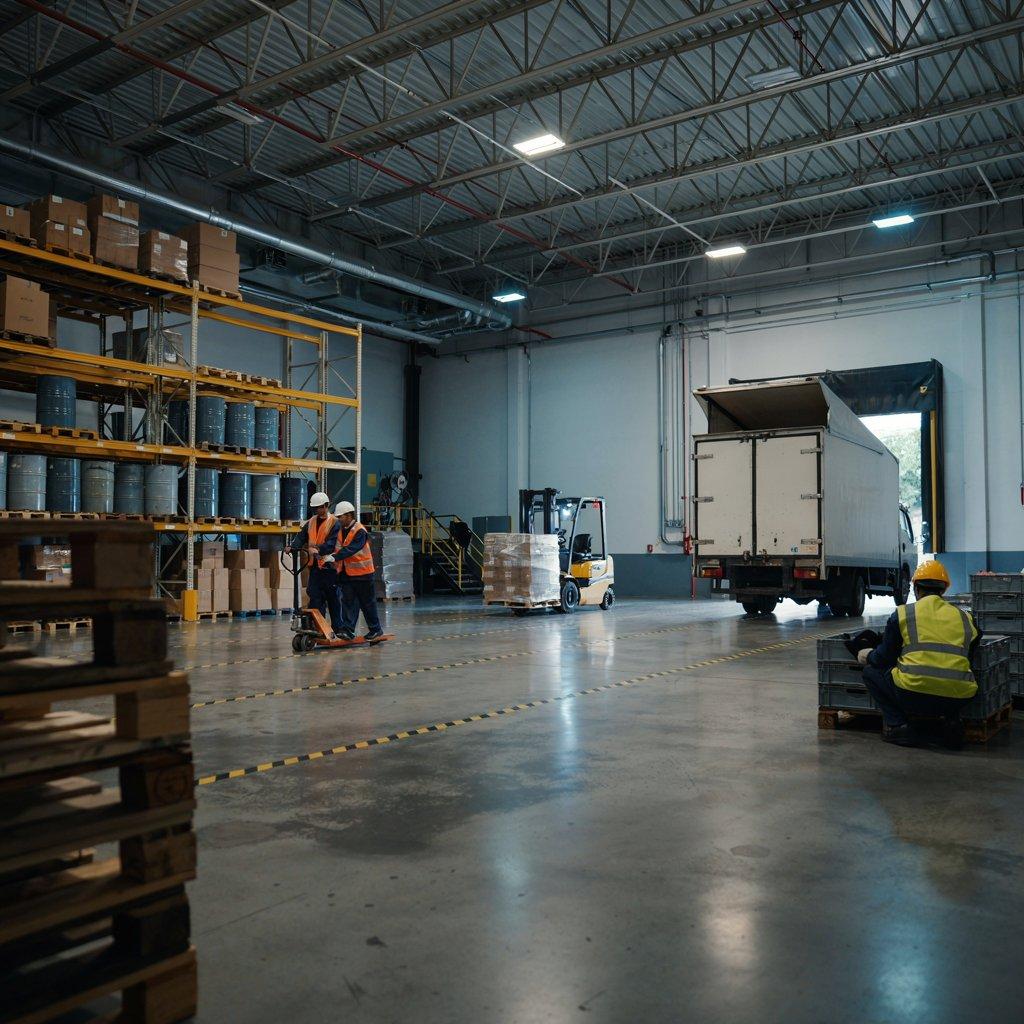
As nearshoring shifts from a buzzword to a standing procurement strategy, more OEMs are moving past the headline appeal of lower labor rates and asking a harder question: what does manufacturing in Mexico actually cost once every line item is on the table. Wage comparisons that looked compelling a few years ago can mask a fuller picture that includes logistics, regulatory compliance, workforce turnover, and the operational overhead of managing a supplier relationship across a border. For procurement and supply chain teams building or refining a Mexico sourcing strategy, understanding the full cost structure, not just the labor arbitrage, has become essential to making sound long-term decisions rather than short-term budget wins that erode over time.
Why Labor Cost Alone Doesn't Tell the Full Story
Labor cost comparisons are often the entry point for companies evaluating Mexico as a manufacturing destination, and for good reason: hourly wages in many Mexican industrial regions remain lower than comparable roles in the United States or Canada. But treating labor rate as a standalone metric obscures the variables that actually determine total cost. Workforce turnover in some manufacturing corridors runs higher than buyers expect, which drives up recruiting, training, and ramp-up costs that don't show up in a simple wage comparison. Productivity per worker, shift structure, and the availability of skilled labor in a given region also shift the real cost per unit produced. A supplier with lower posted wages but high turnover and inconsistent output can end up costing more than one with higher wages and a stable, experienced workforce.
Regional labor markets within Mexico also vary more than many foreign buyers initially assume. Established industrial hubs in the north tend to have deeper pools of experienced manufacturing labor but also face more competition among employers, which can push wages and turnover in different directions depending on the sector. Regions with newer industrial development may offer lower costs on paper but require more investment in training and supervision until the local workforce builds sector-specific experience. Buyers who compare only headline wage figures across regions, without accounting for these dynamics, often build cost projections that don't hold up once production is underway.
Logistics and Transportation: The Hidden Variable in Landed Cost
Logistics costs are where many cost models fall short, particularly for companies used to sourcing from overseas. Proximity to the U.S. border is one of nearshoring's core advantages, and it does shorten transit times and reduce inventory carrying costs compared to transpacific shipping. But logistics expenses in Mexico still vary meaningfully depending on the manufacturing region, the mode of transport, and how well a facility is positioned relative to border crossings and major highway corridors. Facilities located deeper in central or southern Mexico may offer lower real estate and labor costs but add trucking time and customs complexity that erode some of the nearshoring advantage. Border crossing delays, though generally more predictable than ocean freight disruptions, still introduce variability that procurement teams need to model into total landed cost rather than assuming door-to-door transit will run on a fixed timeline.
Compliance Costs: Regulatory Requirements That Add Up
Compliance is frequently the most underestimated cost category in Mexico sourcing decisions. Manufacturers operating in Mexico must navigate a combination of federal, state, and trade-related regulatory requirements, and the cost of meeting them, both in direct fees and in the internal resources required to manage compliance, adds up over the life of a supplier relationship. Environmental compliance overseen by Mexico's federal environmental authority, SEMARNAT, along with water-use and discharge permitting through CONAGUA, requires ongoing monitoring, documentation, and periodic renewal, all of which carry cost whether a supplier manages them well or poorly. Suppliers with weak environmental compliance practices may appear cheaper upfront but expose buyers to disruption risk if permits lapse or enforcement action halts production.
Trade compliance tied to the United States-Mexico-Canada Agreement (USMCA) adds another layer, particularly for OEMs that need components to qualify for preferential tariff treatment. Meeting rules-of-origin requirements often means additional documentation, supplier audits, and sometimes adjustments to sourcing of raw materials or subcomponents, all of which carry a real cost even when they don't appear as a line item on a supplier's quote. Supplier quality management companies like AMREPMexico, operating in Mexico since 1994, recommend incorporating environmental and regulatory compliance audits into standard supplier evaluations, since compliance gaps that go undetected during initial qualification tend to surface later as unplanned costs, whether through remediation, production delays, or regulatory penalties.
Indirect Costs That Rarely Make It Into the Initial Quote
Beyond labor, logistics, and formal compliance, a set of indirect costs tends to accumulate over the life of a supplier relationship without ever appearing in an initial quote. Quality management overhead is one of the largest. Foreign OEMs sourcing from Mexico often need to invest in on-site audits, ongoing quality monitoring, and sometimes dedicated local staff or third-party representation to maintain visibility into supplier performance. Communication and time zone alignment, while easier than managing suppliers across the Pacific, still require coordination resources that carry a cost. Currency fluctuation between the peso and the buyer's home currency can also shift effective cost over time, particularly for contracts priced in pesos or for suppliers whose input costs are peso-denominated while output pricing is negotiated in dollars.
Facility-related costs vary as well depending on whether a buyer is working with an established manufacturer, a shelter company, or building a wholly owned operation. Each model carries a different balance of upfront investment against ongoing operational cost, and the right choice depends heavily on production volume, expected duration of the sourcing relationship, and how much direct operational control the buyer wants to retain.
Building a More Complete Cost Model
Procurement teams that want an accurate picture of Mexico manufacturing costs benefit from building a model that goes beyond wage comparisons and freight quotes. A more complete framework typically accounts for the following categories, weighted according to the specific product, region, and sourcing model in question:
-
Direct labor, including wage rates, overtime patterns, and expected turnover
-
Transportation and logistics, including transit time variability and customs handling
-
Environmental and regulatory compliance costs, including permitting, monitoring, and renewal
-
Trade compliance costs tied to USMCA qualification and documentation
-
Quality assurance overhead, including audit frequency and on-site oversight
-
Currency exposure and how contract terms allocate that risk
Modeling these categories together, rather than evaluating labor and logistics in isolation, gives procurement teams a realistic basis for comparing suppliers and regions, and for setting expectations with internal stakeholders about what nearshoring actually costs versus what it saves.
Conclusion
The appeal of manufacturing in Mexico remains real, but the true cost extends well beyond hourly wage comparisons. Logistics variability, environmental and trade compliance requirements, and indirect costs like quality oversight and currency exposure all factor into the total cost of a sourcing relationship. OEMs that build cost models accounting for these categories, rather than relying on labor rate alone, tend to make more durable sourcing decisions.
Getting the full picture right from the start, rather than discovering hidden costs after a supplier relationship is underway, is what separates a sourcing decision that holds up over time from one that requires costly course correction later.

 Turkish