
Mancozeb Fungicide: Everything Farmers Need to Know for Better Crop Protection
Healthy crops are the foundation of profitable farming, but fungal diseases can quickly reduce yield and crop quality if left unmanaged. Diseases such as leaf spots, blights, rusts, and mildews spread rapidly under favorable weather conditions, making timely disease management essential. Among the many crop protection products available today, mancozeb fungicide remains one of the most trusted solutions because of its broad-spectrum disease control and preventive action across multiple crops.
Whether you grow paddy, vegetables, fruits, soybean, cotton, or pulses, selecting the right fungicide at the right time plays a crucial role in maintaining plant health. Farmers often compare different products such as systemic fungicide, contact fungicide, cymoxanil mancozeb fungicide, and biological alternatives like trichoderma fungicide before making a decision. Understanding their differences helps in choosing the most effective disease management strategy.
As one of India's leading agrochemical companies, JU Agri Sciences provides scientifically developed crop protection solutions designed to help farmers achieve healthier crops while promoting sustainable agriculture.
Why Do Crops Need Preventive Fungicide Protection?
Many fungal diseases begin developing long before visible symptoms appear. By the time farmers notice lesions or blighted leaves, the disease may have already spread across the field.
Preventive fungicides create a protective barrier that stops fungal spores from germinating and infecting plant tissues. This early protection significantly reduces disease pressure and helps maintain crop productivity throughout the growing season.
Benefits include:
- Reduced disease incidence
- Improved crop vigor
- Better photosynthesis
- Higher yield potential
- Improved produce quality
- Reduced economic losses
Understanding Mancozeb Fungicide and Its Working Mechanism
Mancozeb belongs to the group of broad-spectrum contact fungicide products. Unlike systemic fungicides that move inside plant tissues, mancozeb remains on the plant surface and forms a protective shield against fungal pathogens.
This multi-site mode of action makes it difficult for fungi to develop resistance, making mancozeb an important component of integrated disease management programs.
Key Characteristics
| Feature | Details |
|---|---|
| Fungicide Type | Contact Fungicide |
| Action | Preventive |
| Disease Spectrum | Broad |
| Resistance Risk | Low |
| Suitable Crops | Paddy, Fruits, Vegetables, Cotton, Soybean, Wheat |
Which Crop Diseases Can Mancozeb Control?
Farmers widely use mancozeb fungicide powder because it effectively controls numerous fungal diseases affecting different crops.
Some commonly managed diseases include:
- Early blight
- Late blight
- Alternaria leaf spot
- Anthracnose
- Downy mildew
- Rust
- Cercospora leaf spot
- Damping-off (as part of integrated management)
When applied before severe infection develops, the fungicide provides excellent crop protection.
Managing Rice Diseases Effectively
Rice is one of India's most important crops, but fungal diseases can significantly reduce production.
Farmers frequently search for effective rice blast control fungicide because blast disease spreads rapidly under humid conditions.
While mancozeb offers preventive protection against several fungal pathogens, severe blast infections often require combination products such as cymoxanil mancozeb fungicide or other systemic fungicides as recommended by agricultural experts.
Similarly, farmers looking for the best fungicide for rice sheath blight should adopt integrated disease management practices, combining resistant varieties, balanced fertilization, proper spacing, and suitable fungicide programs for effective sheath blight control fungicide management.
Contact Fungicide vs Systemic Fungicide
Understanding the difference between these fungicide categories helps farmers make better decisions.
| Contact Fungicide | Systemic Fungicide |
| Remains on plant surface | Moves inside plant tissues |
| Mainly preventive | Preventive and curative |
| Low resistance development | Higher resistance risk if overused |
| Requires good spray coverage | Internal protection |
| Excellent for disease prevention | Better for active infections |
Agricultural experts often recommend rotating systemic fungicide and contact fungicides to delay resistance development while improving disease control.
Role of Combination Fungicides
Modern agriculture increasingly uses combination fungicides because they combine preventive and curative properties.
Products containing cymoxanil mancozeb fungicide are widely used where farmers require both surface protection and internal disease suppression, particularly during periods of high disease pressure.
Similarly, formulations containing sulphur tebuconazole may be selected for specific crops requiring broader disease management under expert guidance.
Biological Alternatives in Integrated Disease Management
Chemical fungicides are highly effective when used correctly, but biological products also play an important role in sustainable farming.
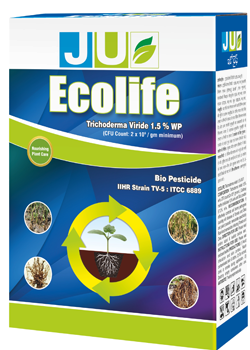
One popular option is trichoderma fungicide, a beneficial microorganism that suppresses harmful fungi in the soil while improving root development.
Combining biological solutions with preventive fungicide programs creates a balanced disease management strategy that supports long-term soil health.
Safe Fungicide Application Tips
To maximize effectiveness:
- Spray before disease spreads extensively.
- Follow recommended label instructions.
- Ensure uniform spray coverage.
- Avoid spraying during heavy rain or strong winds.
- Rotate fungicides with different modes of action.
- Wear protective equipment during application.
- Store products safely away from children and livestock.
Proper timing is often more important than increasing spray quantity.
Dosage Considerations
Many farmers search online for information regarding hexaconazole 75 WG dosage. However, dosage recommendations vary depending on crop type, disease, formulation, growth stage, and local agricultural guidelines.
Instead of relying on generalized recommendations, farmers should always follow the product label or consult agricultural experts before application to ensure effective disease control and crop safety.
Why Farmers Trust JU Agri Sciences
For more than two decades, JU Agri Sciences has supported Indian agriculture with innovative crop protection technologies.
As part of the prestigious Jhaver Group, the company has built a strong reputation through:
- More than 130 agricultural products
- Presence across India
- 5,500+ trade partners
- 25,000+ retailers
- 1,000+ trained agricultural professionals
- Crop solutions for paddy, cotton, wheat, soybean, vegetables, fruits, and pulses
Its portfolio includes fungicides, biological pesticides, bio-fertilizers, herbicides, insecticides, and bio-stimulants that help farmers improve productivity sustainably.
Conclusion
Protecting crops from fungal diseases requires more than reacting after symptoms appear. A well-planned disease management strategy combining preventive products, proper agronomic practices, resistant varieties, and biological solutions helps farmers achieve healthier crops and higher yields.
Mancozeb fungicide continues to be one of the most dependable preventive fungicides because of its broad-spectrum protection and low resistance risk. When integrated with appropriate crop management practices and supported by expert agricultural guidance, it becomes an essential tool for successful farming.
JU Agri Sciences remains committed to empowering farmers with innovative crop protection technologies, scientific expertise, and sustainable agricultural solutions that contribute to long-term farm productivity.
Frequently Asked Questions
1. What is mancozeb fungicide mainly used for?
Mancozeb fungicide is primarily used as a preventive contact fungicide to control a wide range of fungal diseases in crops including vegetables, fruits, paddy, cotton, soybean, and wheat.
2. Is mancozeb a systemic fungicide?
No. Mancozeb is a contact fungicide that protects the plant surface rather than moving inside plant tissues.
3. Which fungicides are recommended for rice blast?
Farmers often use integrated disease management programs that may include preventive fungicides and combination products such as cymoxanil mancozeb fungicide depending on disease severity and expert recommendations.
4. Can Trichoderma fungicide be used with chemical fungicides?
Yes. Trichoderma fungicide can be included as part of an integrated disease management program, although compatibility and application timing should follow expert recommendations.
5. How can farmers reduce fungicide resistance?
Farmers should rotate fungicides with different modes of action, use recommended doses, apply products at the correct growth stage, and combine chemical control with cultural and biological practices.
6. Why choose JU Agri Sciences for crop protection solutions?
JU Agri Sciences offers scientifically developed fungicides, biological products, and complete crop protection solutions backed by decades of agricultural expertise, an extensive product portfolio, and a strong nationwide support network.

 Turkish