
Ivermectin 12 mg for Severe Scabies: Treatment Schedule, Recovery Time & FAQs (2026)
Ivermectin 12 mg for Severe Scabies: Treatment Schedule, Recovery Time, and FAQs
Scabies is one of those conditions that feel deeply personal and deeply misunderstood by patients and sometimes by clinicians. You're dealing with relentless itching that worsens at night, a rash that can mimic a dozen other skin conditions, and a treatment course that many people don't complete correctly. That last part is where most cases go wrong.
For severe or crusted scabies, a single tube of permethrin cream often isn't enough. That's where oral ivermectin 12 mg comes in, and understanding exactly how to use it can be the difference between a complete cure and weeks of recurring misery.
This guide covers everything: the correct dosing schedule, realistic recovery timelines, what to expect during treatment, and the critical details most scabies articles simply don't mention.
What Is Ivermectin and Why 12 mg for Scabies?
Ivermectin is an antiparasitic agent that works by disrupting nerve and muscle function in Sarcoptes scabiei, the microscopic mite responsible for scabies. It's been used safely for decades in parasitic infections, and for scabies, oral ivermectin is now a first-line option in many clinical settings, particularly when topical treatments have failed or aren't practical.
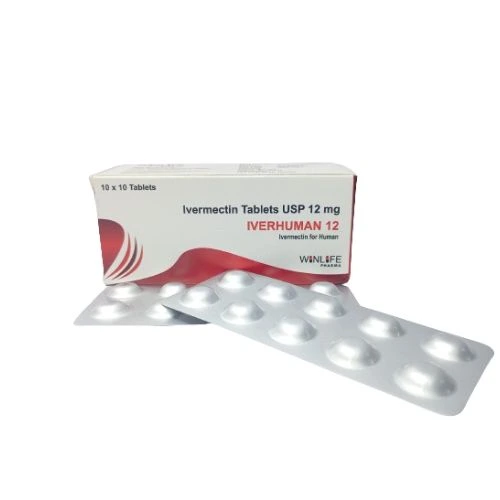
The 12 mg tablet is the most commonly prescribed oral formulation for scabies treatment in adults. Dosing is weight-based, typically 200 micrograms per kilogram of body weight, meaning 12 mg is appropriate for most adults weighing 60–90 kg. For patients outside this range, your physician will adjust the dose.
Ivermectin 12 mg Treatment Schedule for Severe Scabies
Standard Two-Dose Protocol
For severe scabies, clinicians in the US, UK, and EU follow a consistent approach:
-
Day 1: First dose of ivermectin 12 mg (taken orally with food for better absorption)
-
Day 8 or 14: Second dose of ivermectin 12 mg
-
Simultaneous topical permethrin 5%: Applied overnight on Day 1 and Day 8/14
The 14-day gap matters because ivermectin kills active mites but doesn't reliably destroy all eggs. Mite eggs hatch in 3–4 days; larvae mature in about 10–14 days. The second dose catches the generation that survived the first.
Crusted (Norwegian) Scabies: Extended Protocol
This severe variant involves thousands of mites versus the 10–15 found in classical scabies. Treatment is more intensive:
-
Ivermectin on Days 1, 2, 8, 9, 15 and sometimes 22 and 29 in the most severe cases
-
Concurrent daily topical keratolytics (like urea or salicylic acid) to reduce scale build-up
-
Full-body permethrin 5% cream, including scalp and nails, applied on multiple days
-
This protocol is usually managed by a dermatologist or infectious disease specialist
Ivermectin Dosing Comparison by Severity
|
Factor |
Single Dose |
Two Doses (14 days apart) |
Extended Protocol |
|
Best for |
Mild-moderate scabies |
Severe scabies |
Crusted (Norwegian) scabies |
|
Clearance rate |
~70–74% |
~90–95% |
~95%+ (with topical) |
|
Common in the US/UK? |
Sometimes |
Standard practice |
Specialist-led |
|
Combined with permethrin? |
Optional |
Recommended |
Essential |
|
Recurrence risk |
Higher |
Low |
Very low if compliant |
Recovery Timeline: What to Realistically Expect
Week 1: The Itch Gets Worse Before It Gets Better
This is the part no one prepares patients for. After the first ivermectin dose, itching often intensifies for 3–7 days. This isn't treatment failure; it's your immune system reacting to the dead mites and their remnants still in the skin.
Dead mite material triggers a continued inflammatory response. The clinical term is post-scabetic itch, and it's extremely common. Patients who don't know this often stop treatment early, incorrectly assuming the medication isn't working.
Weeks 2–4: Gradual Resolution
-
Itching begins to ease, typically from Week 2 onward
-
New burrows should stop appearing after the first week if treatment is correct
-
Existing rash fades over 2–4 weeks as skin heals
-
A soothing antihistamine (cetirizine, loratadine) can help manage residual itch
4–6 Weeks: Full Skin Clearance
Complete resolution of skin inflammation and hyperpigmentation can take 4–6 weeks. This is normal. If new burrows or fresh rash appear after Week 4, consult your physician; this may indicate treatment resistance or reinfection.
|
Under-Discussed Insight: Post-scabetic nodules, firm, itchy lumps that persist for weeks after mites are eliminated, are often mistaken for active scabies. They're actually a delayed hypersensitivity reaction. Treating them requires topical corticosteroids, not more ivermectin. Misidentifying them leads to unnecessary additional doses and patient anxiety. |
Side Effects of Ivermectin 12 mg: What's Normal
Ivermectin is generally well-tolerated at standard scabies doses. Most side effects are mild and temporary:
-
Mild dizziness or lightheadedness (usually first 24 hours)
-
Nausea — eating a full meal before taking the tablet significantly reduces this
-
Temporary skin rash or flushing due to dying mite release
-
Fatigue for 24–48 hours post-dose
Serious adverse effects are rare at scabies doses but include neurological symptoms (confusion, blurred vision, tremors). These warrant immediate medical attention.
Who should avoid ivermectin: Children under 15 kg, pregnant or breastfeeding women, and individuals with severe hepatic impairment. Alternative topical protocols exist for these groups.
What Most Blogs Miss: The Psychological Dimension of Scabies Treatment
Here's something clinical articles rarely discuss: the psychological burden of scabies treatment is significant, and it directly affects the outcome.
Patients dealing with scabies often experience shame, anxiety about contamination, and hypervigilance around skin sensation even after the mites are gone. This post-treatment sensory anxiety can cause people to misidentify normal skin irritation as active infestation, leading them to request additional treatment cycles unnecessarily.
This matters because overtreatment with topical permethrin causes skin irritation and chemical dermatitis, and repeated unnecessary ivermectin doses create risk without benefit. The psychological aspect of telling a patient 'your itching is normal and will pass' is as important as the prescription itself.
If you're managing scabies treatment for someone who is especially anxious or has been through multiple failed treatment cycles, addressing their fear of recurrence, setting clear expectations, and providing a skin check follow-up timeline dramatically improve adherence and outcomes.
Medical Disclaimer: This content is for informational purposes only and does not constitute medical advice. Always consult a licensed healthcare professional before starting, stopping, or modifying any treatment. Ivermectin should only be used under medical supervision.
Frequently Asked Questions (FAQs)
How long does ivermectin take to work for scabies?
Ivermectin begins killing mites within hours of ingestion, but symptom relief is slower. Expect itching to continue or even worsen temporarily for 3–7 days. Full resolution typically takes 4–6 weeks.
Do I need two doses of ivermectin for scabies?
For mild cases, one dose may suffice. For severe scabies, two doses 14 days apart are the clinical standard in the US and UK. Your physician will advise based on severity and response.
Why is my itching worse after ivermectin?
Post-treatment itch is normal. Dead mite antigens remain in the skin and continue to trigger your immune response. This can last 1–2 weeks. Antihistamines and hydrocortisone cream can help manage it.
Can I take ivermectin 12 mg without food?
Ivermectin is better absorbed when taken with food; specifically, a high-fat meal can increase bioavailability up to 2.5x. Always take it with a full meal unless instructed otherwise.
What if scabies doesn't clear after two doses?
If you still have new burrows or active rash 4 weeks after completing two doses, consult a dermatologist. This may indicate crusted scabies, reinfection from an untreated contact, or, rarely, ivermectin resistance.
Is ivermectin 12 mg safe for elderly patients with scabies?
Yes, with caution. Elderly patients may be more susceptible to neurological side effects, and drug interactions (especially with CNS depressants) should be reviewed. A physician should always oversee treatment in older adults.
When can I return to work or school after ivermectin treatment for scabies?
Most guidelines recommend that patients are no longer contagious 24 hours after completing treatment (permethrin application and/or first ivermectin dose), provided clothing and bedding are washed simultaneously.

 English