
How Do NFC Cards Help with First Impressions?
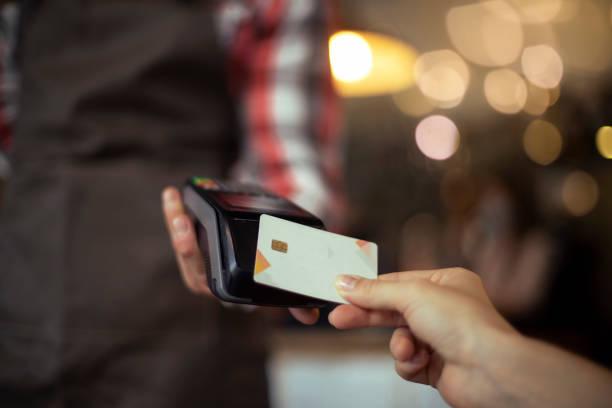
Imagine meeting someone at a networking event. You shake hands, exchange a few words, and then — right when the moment is electric — you fumble through your wallet looking for a business card that turns out to be bent, faded, or worse, missing entirely. That awkward pause? It can silently undo the polished impression you just worked so hard to create.
Now imagine a different version of that moment. You pull out a sleek, minimal card, tap it to the other person's smartphone, and in under a second, your name, role, portfolio, LinkedIn profile, and contact details appear on their screen — effortlessly. That is what NFC business cards make possible, and it's changing the way professionals introduce themselves.
What Are NFC Cards, Exactly?
NFC stands for Near Field Communication — a short-range wireless technology that allows two devices to exchange data when placed within a few centimetres of each other. It's the same technology behind contactless payments with your phone or bank card.
An NFC business card works by embedding a tiny NFC chip inside a card — typically made of PVC, metal, bamboo, or even recycled plastic. When someone taps it against a modern smartphone (no app required on most devices), it instantly opens a digital profile, website, vCard, or any destination you've programmed into it. No typing, no scanning, no friction.
Think of it as a business card that doubles as a direct link to everything you want someone to know about you — available with a single tap.
The Science Behind First Impressions
Research in social psychology consistently shows that people form lasting impressions within the first seven seconds of meeting someone. In that brief window, your appearance, confidence, energy, and the tools you present all contribute to how you are perceived.
Traditional paper business cards, while familiar, often carry unintended signals — a flimsy card can suggest a lack of investment in one's brand; outdated contact details signal disorganisation. NFC cards, on the other hand, project modernity, preparedness, and an attention to detail that immediately communicates professionalism. The act of tapping a card is also inherently memorable, which means the person you've just met is far more likely to remember you — and follow up.
How NFC Cards Elevate Professional Branding
Your personal brand is the sum of every interaction, visual cue, and impression you leave behind. NFC cards are a powerful branding tool because they can be customised to match your aesthetic — through premium card materials like brushed metal or matte black finishes — and can direct contacts to a thoughtfully designed digital profile.
Platforms like HiHello, Popl, Linq, and Blinq allow users to build rich digital profiles that include a professional headshot, company logo, social media links, a video introduction, or even a product catalogue. When someone taps your card and lands on a polished, branded page, the impression you create goes far beyond what any paper card could ever achieve. Every element reinforces credibility and intentionality.
The Tactile Experience Still Matters
One thing NFC cards get right that purely digital approaches miss is the power of physical interaction. Handing someone a beautifully crafted card — solid, weighty, and premium to the touch — still carries a psychological impact. The physical exchange signals respect and deliberateness.
When you combine that tangible moment with the instant magic of a digital transfer, you get the best of both worlds. Brands like Metal Kards, V1CE, and MOO have capitalised on this by creating NFC cards with striking finishes, laser engraving, and signature designs that feel like a gift rather than a formality. The result is a networking moment that sticks.
Seamless Sharing Without the Friction
One of the biggest pain points with traditional networking is the logistical mess that follows — cards get lost, details get mistyped, and follow-ups fall through the cracks. NFC cards solve this elegantly. When someone receives your information via an NFC tap, it lands directly in a format they can save, share, or click through instantly.
Most NFC card solutions also let you update the information linked to your card at any time — without needing to reprint or replace the physical card. Got a new job title? Changed your website? Updated your phone number? Simply log in to your NFC dashboard and make the change. Your card stays current, and your first impression stays sharp — even long after that initial meeting.
NFC Cards in Different Professional Settings
The versatility of NFC cards makes them useful across a wide range of contexts. At trade shows and industry conferences, they speed up the exchange of information when time is limited. For sales professionals, they enable instant sharing of product brochures, pricing pages, or demo videos. Real estate agents use them to link to property listings, while designers connect contacts directly to their portfolios.
Job seekers have also found NFC cards to be a powerful tool in interviews and career fairs. Rather than handing over a paper CV that may get buried in a pile, a tap-to-view digital resume — complete with project links and testimonials — creates a far more dynamic and memorable introduction. Even at social events, NFC cards feel effortlessly cool, which itself becomes a conversation starter.
Environmental Impact and Sustainability
First impressions are no longer just about competence and style — increasingly, they also reflect your values. With sustainability becoming a genuine priority for individuals and organisations alike, NFC cards carry a quiet but powerful message about environmental responsibility.
A single NFC card can replace thousands of paper cards over its lifetime. There's no reprinting when details change, no physical waste from outdated cards, and no trees lost to a stack of cards that mostly end up in a drawer or bin. Companies and individuals who choose NFC cards are signalling that they care about the planet — and that kind of value alignment can be a meaningful differentiator in a first impression, particularly when meeting prospects or partners who share those same values.
Analytics: Understanding Your Impressions at Scale
Here's something traditional business cards will never be able to offer: data. NFC card platforms like Popl for Teams and Linq Business give you real-time analytics on how your card is being used. You can see how many taps your card has received, which links people clicked, and even the location data of where connections were made.
This turns the act of making first impressions into a measurable, improvable process. If you notice that your portfolio link gets clicked more often than your LinkedIn profile, you know what to highlight in your pitch. If taps spike after a specific event, you can track ROI on your networking efforts. For teams and enterprises, this level of visibility into relationship-building activity is genuinely transformative — and it all starts from that first tap.
Compatibility and Ease of Use
One of the most common concerns people have about NFC cards is whether they'll actually work in the real world. The good news is that NFC technology is now built into virtually every modern smartphone — including all iPhones since the iPhone 7, and essentially all Android devices released in the past several years.
The recipient doesn't need to download an app, create an account, or do anything except hold their phone near your card. The interaction is as intuitive as it gets. For the rare case where someone is using an older device, most NFC card profiles also include a QR code on the back, ensuring that no connection opportunity is ever missed. The technology has matured to a point where it simply works — reliably, quickly, and impressively.
Making the Switch: What to Look for in an NFC Card
Not all NFC cards are created equal, and choosing the right one is part of making a great first impression. The key factors to consider include the card material (metal cards feel premium; eco-friendly wood or recycled plastic sends a sustainability message), the NFC platform behind it (look for features like unlimited profile updates, analytics, team management, and CRM integrations), and the visual design.
Leading providers in the market today include Popl, HiHello, Linq, V1CE, Dot Card, and Mobilo. Each offers a different combination of design options, subscription plans, and feature sets. For individuals, a single card with a personal profile is often enough. For sales teams and enterprises, look for platforms that support team dashboards, lead capture forms, and integration with tools like Salesforce, HubSpot, or Zoho CRM. The right card is the one that feels like an authentic extension of who you are and what you offer.
Conclusion
In an age where attention is scarce and competition for memorable connections is fierce, NFC business cards are one of the most elegant tools available to professionals who care about how they show up. They combine the timelessness of physical exchange with the power of instant digital connectivity — and they do it in a way that feels effortless, modern, and genuinely impressive.
First impressions are not just about what you say. They are about the experience you create in that opening moment. An NFC card does not just share your contact information — it tells the person across from you that you are thoughtful, forward-thinking, and serious about how you present yourself. In a world still largely reliant on dog-eared paper rectangles, that single tap can speak volumes.
Frequently Asked Questions
Q1. Do NFC cards work with all smartphones?
Yes, NFC is compatible with virtually all modern smartphones. iPhones from the iPhone 7 onwards support NFC natively (no app required), and nearly all Android devices released in the past five or more years have NFC built in. Most NFC card solutions also include a backup QR code for older devices.
Q2. Does the person I tap my card to need a special app?
No. The recipient does not need to download any app. When they bring their NFC-enabled phone near your card, their device automatically reads the chip and opens the linked profile or webpage — just like how contactless payments work.
Q3. Can I update the information on my NFC card after I've received it?
Absolutely. This is one of the biggest advantages of NFC cards over paper ones. The physical card simply links to an online profile, which you can update at any time through your card provider's dashboard. Changed your job title, phone number, or website? Update it once online and the card reflects the new information instantly.
Q4. Are NFC cards secure?
Yes. NFC cards use short-range communication that only activates when a device is within a few centimetres of the card. They cannot be skimmed passively from a distance, and the linked profiles are secured through your provider's account login. You are always in full control of what information is shared.
Q5. How much do NFC cards cost?
Prices vary depending on the material and platform. Basic PVC NFC cards can start at around $5 to $15 per card, while premium metal cards from brands like V1CE or Popl can range from $50 to $100 or more. Most platforms charge a subscription fee for advanced features such as analytics, CRM integration, and team management — typically ranging from free (limited features) to $10–$30 per month for individuals.
Q6. Are NFC cards better than QR code cards?
Both have their merits, and many NFC cards include QR codes as a backup. NFC is generally faster and more seamless — it requires no camera app or scanning effort — making it the superior experience for in-person networking. QR codes are more versatile in contexts where a phone might not be in hand, such as on printed materials, billboards, or packaging.
Q7. Can I use an NFC card for my team or company?
Yes. Providers like Popl for Teams, Mobilo, and Linq Business offer enterprise plans that allow companies to manage multiple cards through a centralised dashboard, ensuring brand consistency across the team while giving individual employees the ability to personalise their own contact details. Team analytics features let managers track networking performance across the whole organisation.

 English