
Tiger Habitat: Where These Big Cats Thrive
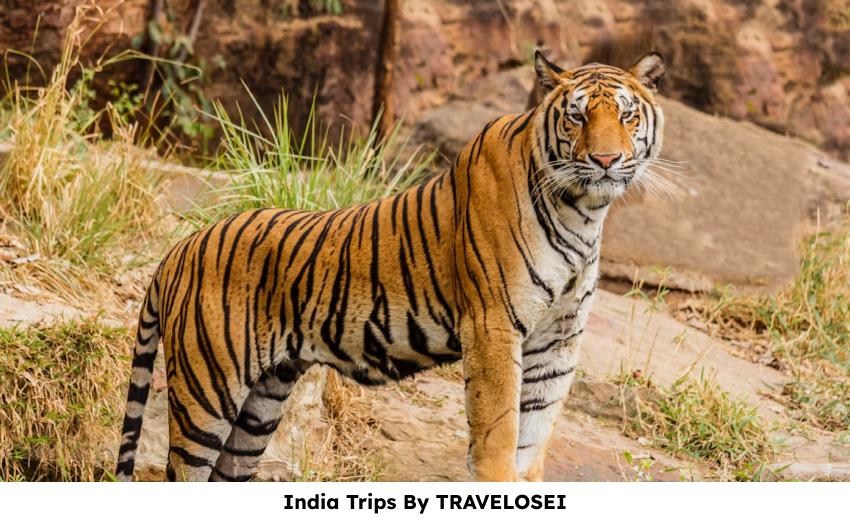
Tigers are incredibly adaptable animals, found in a surprising range of environments across Asia. From snowy forests to steamy swamps, these big cats have learned to thrive in many different settings. Understanding tiger habitat is key to appreciating how these magnificent creatures survive and why protecting their homes is so important. If you are curious about where tigers live and what they need to flourish, this guide will walk you through the diverse world of tiger habitat.
Range of Tiger Habitat Across Asia
Tiger habitat stretches across a wide swath of Asia, from the frigid Russian Far East to the tropical forests of India and Southeast Asia. Each region offers different conditions, and tigers have adapted to suit them all. This broad range shows just how flexible these cats can be. The variety of tiger habitat across the continent is remarkable, covering cold mountains, hot jungles, and everything in between. Wherever there is enough prey and cover, tigers can often make a home.
Forests, Grasslands, and Mangroves
Tiger habitat includes several distinct types of landscape. Bengal tigers live in wet mangrove swamps, dry deciduous forests, and open grasslands. Siberian tigers prefer the birch and coniferous forests of the cold north. Each of these environments provides the cover tigers need to stalk prey and the space they need to roam. This diversity of forests, grasslands, and mangroves within tiger habitat highlights the adaptability of these cats and their ability to thrive in vastly different conditions.
How Climate Shapes Their Home
Climate plays a huge role in shaping tiger habitat. In cold regions, tigers develop thicker coats and larger bodies to handle the freezing temperatures, living in snowy forests. In warm regions, tigers have thinner coats suited to heat and humidity, living in jungles and grasslands. The climate of a tiger habitat influences not just the cat's appearance but also its prey and behavior. This connection between climate and habitat explains many of the differences between tiger subspecies.
Importance of Water Sources
Water is a vital part of any tiger habitat. Unlike many cats, tigers love water and are strong swimmers. They often cool off in rivers and pools during hot weather. Water sources also attract prey animals, making them prime hunting spots. A good tiger habitat must have reliable access to water year-round. The presence of water is so important that it directly affects the size of a tiger's territory and its ability to survive in a given area.
Prey Availability and Territory Size
The amount of prey in a tiger habitat directly affects how large a territory a tiger needs. Where prey is abundant, tigers can survive in smaller areas. Where food is scarce, they must roam over much larger ranges to find enough to eat. This is why Siberian tigers, living in harsh northern habitats with sparse prey, claim enormous territories. Prey availability is one of the most important factors in determining the quality and size of a tiger habitat.
Habitat Loss as a Major Threat
Sadly, tiger habitat is shrinking fast. Logging, farming, and human development continue to clear the forests and grasslands tigers depend on. As habitat disappears, tiger populations become isolated and struggle to find food and mates. This habitat loss is one of the biggest threats facing tigers today. Without enough suitable habitat, tigers cannot survive in the wild. Protecting and restoring tiger habitat is therefore one of the most critical goals of conservation efforts around the world.
Royal Bengal Tiger Vs Siberian Tiger
Protecting the Spaces They Need
Saving tigers means saving their habitat. Conservation programs work to protect existing tiger habitat through national parks and reserves, while also restoring damaged areas. Anti-poaching efforts and community involvement help keep these spaces safe. Protecting tiger habitat benefits not just tigers but all the other species that share these environments. By preserving the spaces tigers need, we help ensure that these magnificent cats have a future in the wild for generations to come.
Tiger habitat is as varied and impressive as the cats themselves. From snowy forests to tropical swamps, these adaptable predators have made homes in some of the most diverse landscapes on Earth, and protecting those homes is essential to their survival.
What kind of habitat do tigers live in? Tigers live in many environments, including mangrove swamps, dry forests, grasslands, and cold coniferous forests, depending on the subspecies and region.
Why is water important in tiger habitat? Tigers love water and are strong swimmers. Water sources help them cool off and attract prey animals, making them important hunting spots.
What is the biggest threat to tiger habitat? Habitat loss from logging, farming, and development is the biggest threat. It shrinks the space tigers need and isolates their populations.

 English