
Essential Guide to Tracked Machine Idler Maintenance
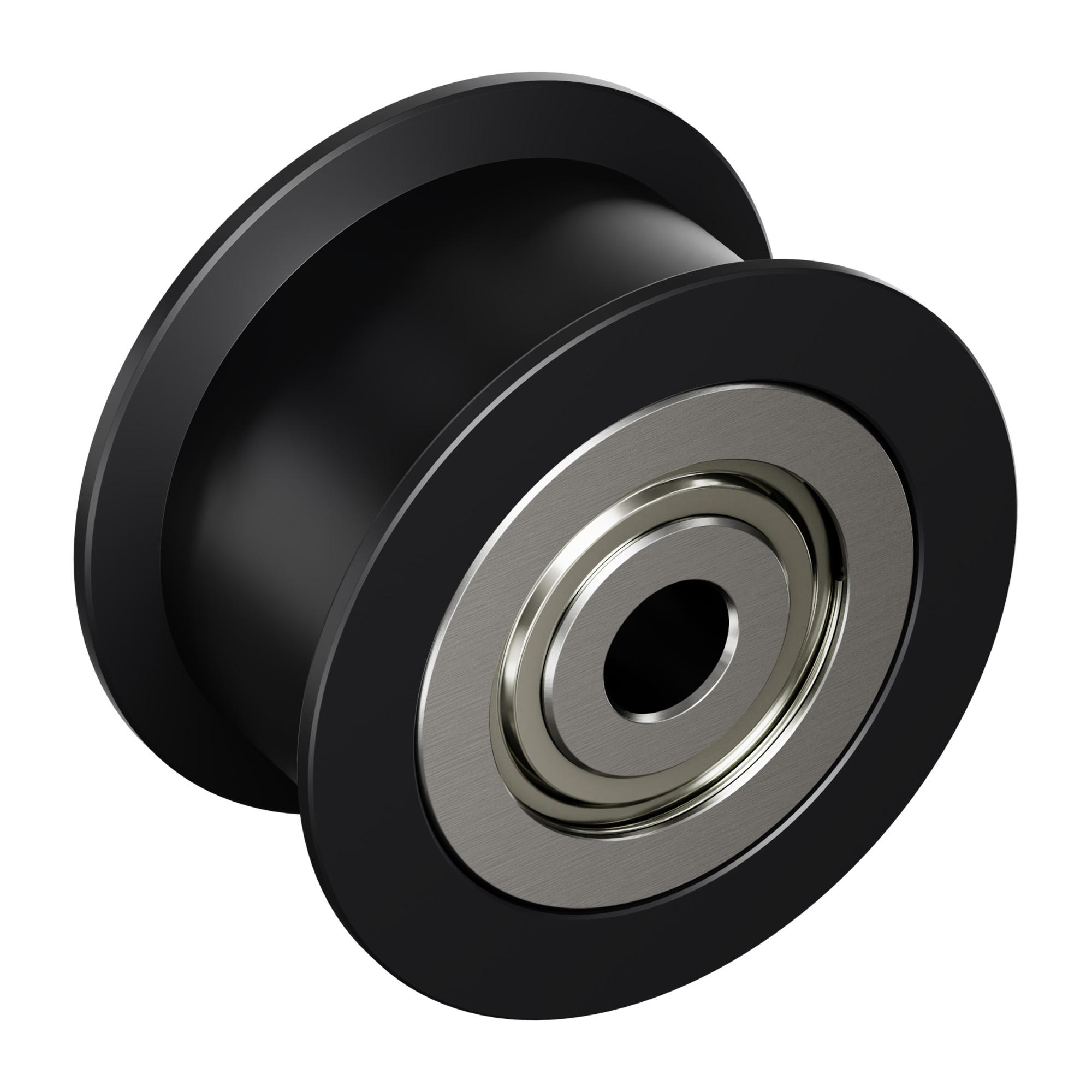
Why the Idler is Critical for Track Tension Management
In the world of heavy machinery, the Idler is the component responsible for the "stretching" of the track. By pushing the track forward, it creates the tension necessary for the sprocket to grab the links and move the machine. If the wheel fails to maintain this tension, the track becomes slack, which is the leading cause of "jumping" or de-tracking. This not only stops work immediately but can also bend the track frames and damage the hydraulic lines. A robust assembly ensures that even under heavy loads, the tension remains within the manufacturer's specified range, allowing for continuous and uninterrupted work.
Advanced Hardening Processes for Longevity
The surface of an Idler is in constant contact with the hard steel of the track links. To survive this metal-on-metal friction, the tread must be significantly harder than the links it supports. Manufacturers use a process called induction hardening to achieve a specific depth of hardness on the Idler surface. This prevents the "pitting" and "peeling" that often occurs with cheaper, low-grade alternatives. A deep-hardened wear layer ensures that the wheel maintains its diameter over time, which is crucial for maintaining the correct track geometry. Without this specialized treatment, the wheel would wear down quickly, requiring frequent and expensive replacements.
Reducing Noise and Vibration with Quality Undercarriage Parts
A loud, vibrating machine is more than just a nuisance; it’s a sign of mechanical distress. When an Idler is unevenly worn or has internal bearing issues, it creates a rhythmic vibration that travels through the entire machine. This can loosen bolts, damage sensitive electronics, and lead to operator fatigue. A high-precision Idler is balanced to rotate perfectly, reducing the noise levels in the cab and making the machine much smoother to operate. This reduction in vibration also protects the track pins and bushings from the "hammering" effect that occurs when a track is moving over an uneven or wobbly idler wheel.
Visual Inspection Checklists for Fleet Managers
To get the most out of your equipment, fleet managers should implement a weekly visual check of the undercarriage area. Look specifically for "shiny" spots on the track frame, which suggests the track is rubbing where it shouldn't be—often caused by a misaligned or worn Idler. Check the area around the hub for signs of leaking oil, as even a small weep can lead to total bearing failure within a few days of heavy work. Additionally, measure the height of the center flange of the Idler periodically. If the flange height has decreased by more than 25%, it is time to order a replacement to avoid damaging the rest of the undercarriage.
The Engineering Behind Front and Rear Idler Designs
While they may look similar, the Idler at the front and the one at the rear often serve slightly different structural roles depending on the machine's configuration. The front unit is typically connected to the tensioner and recoil system, while the rear might be fixed or part of a secondary tensioning group. Engineers design these wheels with specific spoke patterns or solid disc designs to optimize weight without sacrificing structural strength. Using a high-quality Idler designed for your specific machine ensures that these engineering nuances are respected, providing the best possible support for the track group regardless of the direction of travel.
Environmental Resilience of Modern Undercarriage Components
Heavy equipment often operates in the worst possible conditions, from freezing arctic mud to scorching desert sand. A premium Idler is built to handle these environmental extremes through the use of specialized alloys and sealing compounds. The rubber components in the seal groups are formulated to stay flexible in the cold and resist breaking down in high heat. Furthermore, the paint and coatings used on the Idler body are designed to resist corrosion from salt and chemicals. This environmental resilience ensures that the undercarriage remains functional even when the machine is stored outdoors or used in corrosive mining environments.

 English