
No Code Game Makers vs Traditional Game Engines, Which One Actually Fits Your Goals
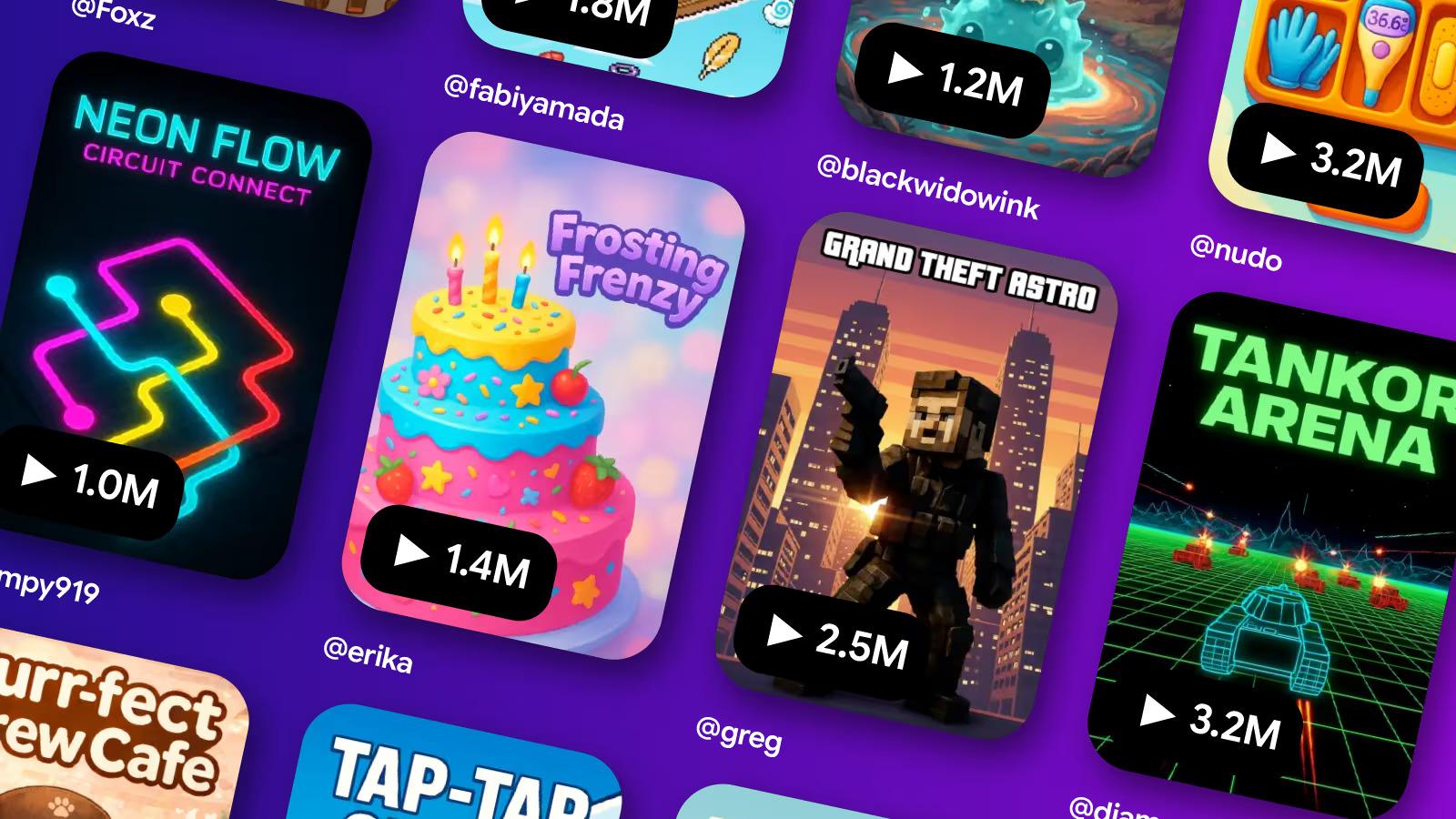
Choosing the right creation path can save you weeks of confusion. Many beginners want to make their own game, but they do not know whether to use a simple browser tool or a full engine. Both options can work, but they are built for different goals. A no code tool helps you start faster, test ideas sooner, and learn design without heavy setup. A traditional engine gives more control, but it often needs more time, skill, and patience. The best choice depends on what you want to build, how fast you want to test it, and how much technical work you are ready to handle. Astrocade makes the lighter path easier for creators who want results without feeling buried in setup.
The honest answer is not that one option is always better. A small idea, like a sky track challenge, may not need a huge engine at the start. But a large 3D world with custom systems may need deeper tools later. If you create a game for learning, testing, or sharing quickly, a simple tool may fit better. If you need advanced control, a traditional path may make sense.
Start With Your Real Goal First
Before choosing a tool, ask what you actually want to finish. Many creators pick tools because they look powerful, not because they match the project. That can slow everything down. A game builder is useful when your goal is to test a small idea quickly. A traditional engine is useful when your goal needs deep custom systems, advanced visuals, or long term technical control. If your first idea is simple, do not make the first step harder than it needs to be. Match the tool to the project, not to your ego. A creator who starts with the right tool can spend more time improving play and less time fighting menus.
• Choose a simple tool for quick testing
• Choose a full engine for deep control
• Keep the first version small
• Think about your skill level
• Think about your timeline
• Think about player experience
• Pick the path that helps you finish
What No Code Tools Do Well
No code tools work best when speed, simplicity, and learning matter most. They help creators start without installing heavy software or writing full systems from scratch. A no-code game maker can be helpful for students, hobby creators, teachers, and beginners who want to see an idea become playable fast. These tools are also useful for game prototyping because you can test the main loop before spending months on polish. You still need strong game design, but you do not need to solve every technical problem at the start. This makes no code tools a better fit when your main goal is to learn, test, and share sooner.
Where Traditional Engines Still Help
Traditional engines are powerful because they give creators deeper control. They can support advanced physics, large game worlds, custom systems, complex art pipelines, and detailed performance settings. But that power comes with a learning curve.
• They are better for large projects
• They give more technical freedom
• They support advanced game mechanics
• They need more setup time
• They often require coding knowledge
• They can feel harder for beginners
• They are useful for long term studio style work
An AI game maker may help with early ideas, but a full engine may still be needed for complex custom builds.
Rail in Air
Rail in Air is a rail or track based running or riding game set in the sky where you avoid obstacles and stay on track. It is a useful example because its main idea is clear and focused. The player moves along a track, avoids danger, and tries to stay in control. A project like this can be a great test for a simple creation tool because the first playable loop does not need to be huge. The creator needs movement, obstacles, a track, and clear feedback. If the idea grows into advanced physics, complex worlds, or custom systems, a traditional engine may help later. But for a first version on Astrocade, the simple loop matters more than technical size.
Why Fast Testing Can Be Better Than Big Setup
Fast testing helps creators learn what works before they overbuild. A simple version can show if the track feels fair, if the movement feels smooth, and if obstacles create the right pressure. This is why interactive game creation is so useful for beginners. You can test the heart of the idea before adding extra levels, art, or effects. A full engine may offer more features, but those features can distract a new creator from the real question. Is the game fun in the first minute? If the answer is no, better tools will not fix the idea. Testing early gives better answers.
When You Should Pick a No Code Path
A no code path is a strong choice when the project is small, the timeline is short, or the creator is still learning. It can also help people who want to focus on concept, rules, and level flow before learning deeper systems. A game maker online works well when you want to build a game in the browser, share it quickly, and improve based on feedback. This path is not only for beginners. It can also help experienced creators test ideas before moving them to bigger tools. In many cases, no code development gives you a faster first version, which is exactly what an early project needs.
When a Traditional Engine Makes More Sense
A traditional engine may fit better when your project needs deep custom behavior, special controls, or advanced visuals. If your idea depends on detailed physics, large maps, advanced multiplayer, or custom game development software features, a bigger tool may be the better long term choice.
• Use an engine for complex systems
• Use it for high end 3D visuals
• Use it for custom performance needs
• Use it for advanced game development
• Use it when you have time to learn
• Use it when your project must scale deeply
• Use it when simple tools limit your idea
• Use it when your team needs full control
The right choice depends on the project, not the trend.
How Astrocade Helps Creators Start Smarter
Astrocade fits creators who want to begin with the idea instead of the setup. It helps reduce the distance between concept and play, which is useful when you are still learning what your project should become. For a track based idea like Rail in Air, you can focus on movement, obstacles, timing, and feedback first. That makes the create game process more practical. You do not need to build every advanced system before you know if the basic path feels fun. This can save time and help creators avoid the common mistake of overbuilding too early. Making games becomes easier when the first goal is learning from real play.
Conclusion
The best tool is the one that fits your goal. No code tools help you start quickly, test ideas faster, and learn through play. Traditional engines help when you need deeper control, advanced systems, or a larger long term project. Neither path is wrong. The wrong choice is using a tool that makes your project harder than it needs to be.
Rail in Air shows why this decision matters. A simple sky track idea can begin with movement, obstacles, and clear feedback. That first version may fit a lighter tool very well. Later, the idea could grow into something more advanced. Astrocade helps creators start with the playable core, then decide what the project truly needs. Choose the path that helps you finish, test, and improve, not the path that only sounds impressive.

 English