
How to Care for Your Embroidered Kurta Set at Home
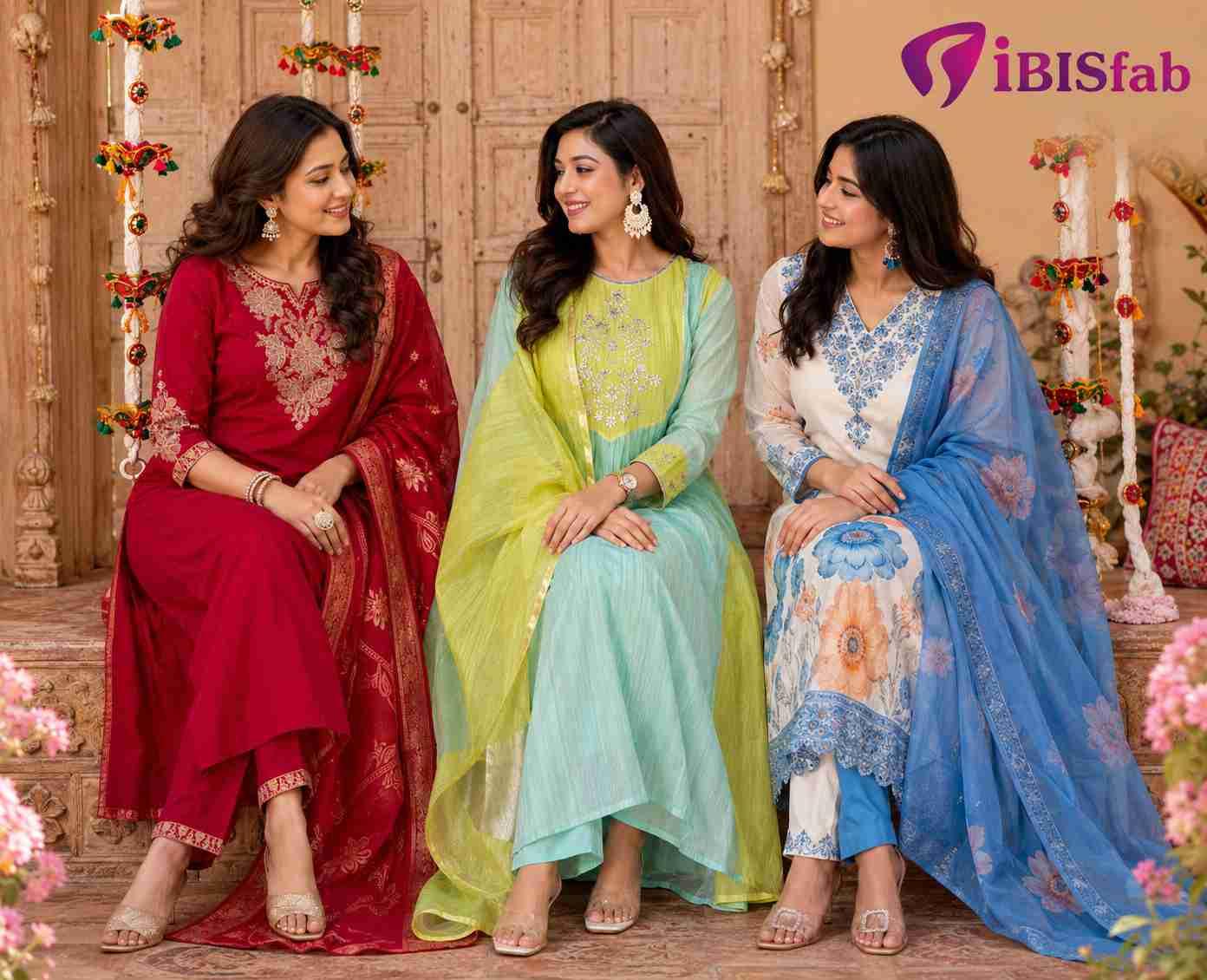
Embroidery adds elegance, texture, and artistic detail to ethnic outfits, making them a favorite choice for both everyday wear and special occasions. Whether it features delicate threadwork, mirror embellishments, or intricate motifs, embroidery requires proper care to maintain its beauty over time. Without the right cleaning and storage practices, embroidery can lose its appearance, threads may weaken, and fabrics can become damaged.
Caring for an embroidered kurta set at home does not have to be complicated. With a few simple maintenance habits, you can preserve the quality of the embroidery, protect the fabric, and extend the life of your favorite ethnic outfits for years to come.
Why Proper Care Matters for an Embroidered Kurta Set
An embroidered kurta set often involves decorative stitching, embellishments, and detailed craftsmanship that deserve special attention. Unlike plain garments, embroidered outfits are more vulnerable to thread damage, color fading, and fabric stress if handled incorrectly.
Proper care helps preserve the beauty of embroidery while maintaining the original texture and structure of the fabric. Since embroidery is an important element of indian ethnic wear for women, protecting these details ensures that garments continue to look elegant and well-maintained even after multiple uses.
Regular maintenance also prevents unnecessary wear and keeps embroidered pieces looking fresh for festive occasions and everyday styling.
Read the Fabric Care Label Before Washing
Before washing any embroidered garment, it is important to check the care label provided by the manufacturer. Different fabrics require different cleaning methods, and ignoring these instructions may damage both the embroidery and the fabric.
For example, cotton suit sets are generally easier to wash at home and can often tolerate gentle hand washing. On the other hand, silk blends, Chanderi fabrics, and heavily embellished festive kurta sets may require extra caution or occasional professional cleaning.
Understanding the fabric type helps determine the safest washing and drying techniques for your outfit.
Hand Washing vs Machine Washing
Hand washing is usually the safest option for delicate embroidery. It minimizes friction and allows better control during the cleaning process. A mild detergent mixed with cold or lukewarm water is often sufficient to remove dirt without affecting the embroidery.
Machine washing can be suitable for lightly embroidered garments, but it should always be done using a gentle cycle. Delicate kurti for women styles with sequins, beads, or intricate threadwork may not withstand frequent machine washing.
Many ready-to-wear suits for women use machine embroidery that can tolerate careful machine washing, but hand washing remains the preferred option whenever possible. Proper water temperature is equally important, as hot water can weaken embroidery threads and affect fabric color.
Tips to Prevent Embroidery Damage During Washing
A few simple precautions can significantly reduce the risk of embroidery damage during cleaning.
Turn garments inside out before washing to protect decorative details from direct friction. Avoid scrubbing embroidered areas aggressively, as this may loosen threads and distort patterns. It is also advisable to separate dark and light-colored garments to prevent color transfer.
Using gentle cleaning techniques helps preserve intricate kurti designs for women and delicate embellishments commonly found in modern ethnic wear. The same care is especially important for detailed kurti designs for girls, which often feature decorative embroidery and lightweight fabrics.
Drying Techniques That Protect Embroidery
Proper drying is just as important as careful washing. Excessive heat and direct sunlight can fade colors and weaken embroidery threads over time.
Air drying is generally the best option. Lay heavier garments flat on a clean towel to prevent stretching, especially when caring for a heavily embroidered anarkali suit set. Hanging such garments while wet may distort their shape due to the added weight of moisture.
For a 3 piece suit for women, ensure that each component is dried separately to promote even airflow and reduce the risk of wrinkles or moisture retention.
How to Iron an Embroidered Kurta Set Safely
Ironing embroidered garments requires extra caution to avoid damaging decorative details. Always use a low to medium heat setting appropriate for the fabric type.
When ironing an embroidered kurta set, turn the garment inside out and place a thin cotton cloth between the iron and the fabric. This protective layer helps prevent direct heat from affecting embroidery threads, sequins, or embellishments.
For lightly embroidered office wear kurta sets, steam ironing can be helpful, but excessive steam should be avoided on heavily embellished areas.
Proper Storage Tips for Embroidered Ethnic Wear
Storage plays a significant role in maintaining embroidered garments. Clean garments should be stored in a cool, dry place away from direct sunlight and moisture.
Lightly embroidered outfits can be folded neatly, while heavily embellished garments may benefit from careful hanging. Cotton or muslin garment bags are often useful because they allow airflow while protecting fabrics from dust.
Proper storage is particularly important for seasonal festive kurta sets, statement trending suits for women, and embroidered kurta and palazzo set styles that may not be worn frequently but still require long-term protection.
Common Mistakes That Can Ruin Embroidery
Many embroidery-related issues occur because of simple care mistakes. Using bleach or harsh chemicals can weaken embroidery threads and cause discoloration. Excessive wringing after washing may distort both fabric and decorative elements.
High-temperature drying is another common mistake that can damage embroidery and reduce fabric longevity. Improper ironing techniques may flatten decorative details or create burn marks.
Even garments designed as a daily wear dress for women require thoughtful care. Overcrowding wardrobes can also crush embroidery and create unwanted creases in delicate suits for women.
How Often Should You Wash an Embroidered Kurta Set?
The washing frequency depends on how often the garment is worn and the type of occasion for which it is used. Everyday outfits naturally require more frequent cleaning, while occasion wear may only need occasional maintenance.
A lightly embroidered embroidered kurta set can often be refreshed by airing it out between wears rather than washing it immediately. Spot cleaning small stains is another effective way to extend the time between washes.
For regularly worn office wear kurta sets and comfortable cotton suit sets, gentle washing after several wears is generally sufficient unless visible stains or perspiration require earlier cleaning.
Choosing Care Methods Based on Outfit Type
Different ethnic outfits may require slightly different care routines. A heavily embellished anarkali suit set often demands more delicate handling due to its embroidery density and flowing silhouette.
A modern kurta and palazzo set may be easier to maintain, particularly if the embroidery is concentrated on the neckline or sleeves. Likewise, a practical 3 piece suit for women should be stored and cleaned carefully to maintain consistency across all pieces.
For a casual daily wear dress for women, machine embroidery and durable fabrics may allow more frequent washing, though gentle care remains beneficial for preserving appearance and comfort.
Conclusion
Proper maintenance is essential for preserving the beauty, texture, and longevity of embroidered ethnic wear. Simple habits such as gentle washing, careful ironing, appropriate drying techniques, and thoughtful storage can make a significant difference in maintaining garment quality.
An embroidered kurta set can remain elegant and wearable for years when cared for correctly. Whether you are maintaining everyday cotton suit sets, festive ensembles, stylish office wear kurta sets, or a graceful anarkali suit set, the right home care routine helps protect embroidery while keeping your favorite outfits looking their best.

 Turkish