
How to Choose the Right Hypertherm Plasma Cutter for Your Industrial Cutting Needs
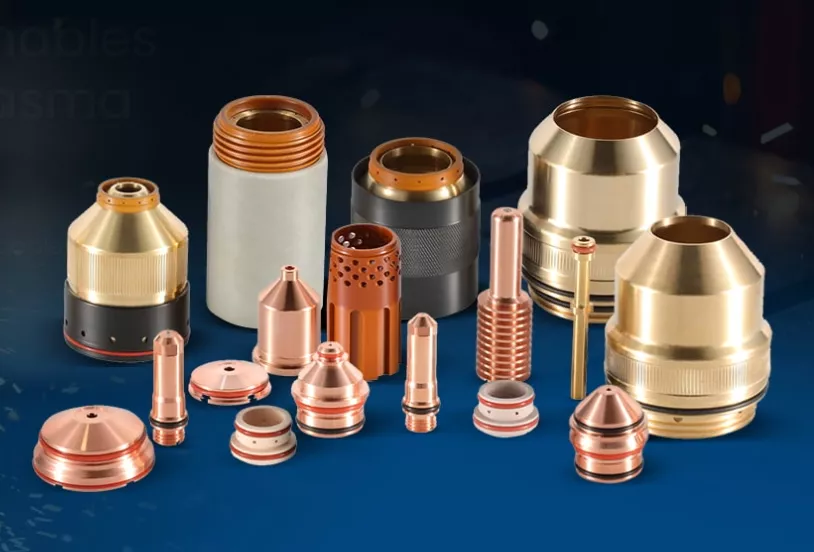
Selecting the right cutting equipment can significantly impact productivity, cut quality, and operating costs in industrial fabrication. Whether you work in manufacturing, construction, heavy engineering, shipbuilding, or metal processing, investing in the right Hypertherm Plasma Cutter helps improve efficiency while reducing downtime and consumable expenses.
Hypertherm has earned a strong reputation in the metal cutting industry by producing reliable plasma cutting systems known for precision, durability, and advanced technology. However, with several models designed for different applications, choosing the ideal machine requires careful evaluation.
This guide explains the key factors to consider when selecting a Hypertherm Plasma Cutter and helps industrial buyers make an informed investment decision.
What is a Hypertherm Plasma Cutter?
A Hypertherm Plasma Cutter is an advanced metal cutting system that uses a high-temperature plasma arc to cut electrically conductive metals with exceptional speed and accuracy. These machines are widely used for cutting steel, stainless steel, aluminum, copper, and other metals in industrial fabrication, manufacturing plants, CNC cutting operations, and heavy engineering applications.
Why Hypertherm Plasma Cutters Are Preferred in Industrial Applications
Industrial businesses often choose Hypertherm systems because they offer a combination of performance, reliability, and long-term value.
Some key advantages include:
- Consistent cut quality
- High cutting speeds
- Reduced consumable wear
- Lower operating costs
- Excellent edge finish
- Strong CNC integration capabilities
- Reliable performance in demanding environments
- Wide range of models for different applications
These benefits make Hypertherm equipment suitable for both small fabrication workshops and large-scale industrial facilities.
Understand Your Material Thickness Requirements
One of the first factors to evaluate is the thickness of the material you regularly cut.
Different Hypertherm Plasma Cutter models are designed for specific cutting capacities. Selecting a machine with insufficient power may reduce productivity, while purchasing excessive capacity can increase investment costs unnecessarily.
Light-Duty Applications
For thinner materials such as sheet metal and light fabrication work, compact plasma systems are often sufficient.
Typical applications include:
- HVAC fabrication
- Sheet metal manufacturing
- Automotive repairs
- Light industrial fabrication
Medium-Duty Applications
Businesses handling structural steel and general fabrication often require systems capable of processing thicker materials consistently.
Typical applications include:
- Structural fabrication
- Equipment manufacturing
- Industrial maintenance
- Agricultural machinery production
Heavy-Duty Applications
Heavy industrial operations require high-output plasma systems capable of cutting thick plates with superior edge quality.
Typical applications include:
- Shipbuilding
- Heavy equipment manufacturing
- Mining equipment fabrication
- Steel processing plants
Evaluate Your Production Volume
Production requirements play a critical role when selecting a Hypertherm Plasma Cutter.
If your operation handles occasional cutting jobs, a lower-capacity system may be sufficient. However, facilities running multiple shifts daily need equipment designed for continuous operation.
Consider the following questions:
- How many hours will the machine operate daily?
- How many parts need to be cut each shift?
- Will production increase in the future?
- Is automation planned later?
A system that matches current and future production demands offers better long-term value.
Consider CNC Integration Requirements
Modern fabrication facilities increasingly rely on CNC cutting systems for improved precision and productivity.
Many Hypertherm Plasma Cutter models are designed to integrate seamlessly with CNC tables, automated cutting machines, and robotic systems.
Benefits of CNC Integration
- Improved cutting accuracy
- Reduced operator dependency
- Faster production cycles
- Better material utilization
- Consistent part quality
- Reduced scrap generation
If automation is part of your growth strategy, choosing a plasma system with advanced CNC compatibility is a smart investment.
Compare Different Hypertherm Plasma Cutter Categories
The right choice depends largely on your cutting requirements.
| Category | Best For | Material Thickness | Production Volume |
|---|---|---|---|
| Air Plasma Systems | Small workshops | Thin to medium metals | Low to moderate |
| Mechanized Plasma Systems | CNC cutting operations | Medium to thick metals | Moderate to high |
| High-Definition Plasma Systems | Precision industrial cutting | Thick materials | High volume |
| Automated Industrial Systems | Large manufacturing plants | Wide thickness range | Continuous production |
Understanding these categories helps narrow down the most suitable solution for your operation.
Analyze Cut Quality Requirements
Not every application requires the same level of precision.
For example, decorative metal fabrication and precision manufacturing often demand extremely clean cuts with minimal secondary processing. In contrast, some heavy fabrication projects may prioritize speed over cosmetic finish.
Factors Affecting Cut Quality
- Arc stability
- Torch technology
- Material type
- Cutting speed
- Consumable condition
- Operator settings
Selecting a Hypertherm Plasma Cutter that aligns with your quality expectations helps reduce rework and finishing costs.
Evaluate Operating Costs Beyond Purchase Price
Many buyers focus only on the initial investment. However, long-term operating costs often have a greater impact on overall profitability.
Important cost considerations include:
- Consumable replacement frequency
- Power consumption
- Maintenance requirements
- Downtime expenses
- Operator training costs
- Spare parts availability
A machine with a slightly higher purchase price may ultimately deliver better return on investment through lower operating costs.
Consider Consumable Life and Availability
Consumables directly affect productivity and maintenance expenses.
Hypertherm systems are widely recognized for their advanced consumable technology, which helps extend service life and improve cutting consistency.
When evaluating a machine, consider:
- Electrode life
- Nozzle durability
- Shield performance
- Availability of genuine replacement parts
- Local supplier support
Reliable access to consumables minimizes production interruptions and improves operational efficiency.
Assess Power Supply and Facility Requirements
Before purchasing a Hypertherm Plasma Cutter, ensure your facility can support the system's electrical requirements.
Factors to review include:
- Available input voltage
- Power stability
- Compressed air requirements
- Workspace dimensions
- Ventilation systems
- Safety compliance standards
Proper installation planning helps avoid costly modifications later.
Look for Future Scalability
Industrial operations often grow over time. Purchasing equipment that supports future expansion can prevent expensive upgrades.
Questions to ask include:
- Can the system support automation later?
- Is software integration available?
- Will cutting capacity meet future projects?
- Are upgrade options available?
A scalable solution provides flexibility as production requirements evolve.
Common Mistakes to Avoid When Choosing a Hypertherm Plasma Cutter
Many businesses make purchasing decisions based solely on price.
Avoid these common mistakes:
- Choosing an inadequate cutting capacity
- Ignoring future production growth
- Overlooking consumable costs
- Neglecting CNC compatibility
- Purchasing from unsupported suppliers
- Underestimating maintenance requirements
Careful planning helps maximize equipment performance and return on investment.
Industry Applications of Hypertherm Plasma Cutters
Hypertherm technology supports a wide range of industrial sectors.
Manufacturing
Used for precision component production and metal fabrication.
Construction
Ideal for structural steel cutting and custom fabrication projects.
Automotive Industry
Supports repair, restoration, and component manufacturing operations.
Shipbuilding
Provides efficient cutting of thick steel plates and structural sections.
Energy Sector
Used in pipeline fabrication, power generation equipment manufacturing, and infrastructure projects.
Frequently Asked Questions
Which Hypertherm Plasma Cutter is best for industrial fabrication?
The best system depends on material thickness, production volume, and automation requirements. High-volume fabrication facilities typically benefit from mechanized or high-definition plasma systems.
Can a Hypertherm Plasma Cutter cut stainless steel?
Yes. Hypertherm systems are designed to cut stainless steel, mild steel, aluminum, copper, and other electrically conductive metals.
How long do Hypertherm consumables typically last?
Consumable life varies depending on cutting parameters, material type, and operating conditions. Proper settings and maintenance can significantly extend consumable lifespan.
Are Hypertherm Plasma Cutters compatible with CNC machines?
Many Hypertherm models are specifically designed for CNC integration, enabling automated and highly accurate cutting operations.
What factors affect plasma cutting quality?
Material type, cutting speed, torch condition, consumable quality, machine settings, and operator expertise all influence cut quality.
Conclusion
Choosing the right Hypertherm Plasma Cutter requires more than comparing specifications. Material thickness, production demands, cut quality expectations, automation plans, operating costs, and future scalability all play important roles in the decision-making process.
Businesses that carefully evaluate these factors can select a system that improves productivity, maintains consistent cutting performance, and delivers long-term value. A well-matched Hypertherm solution not only enhances operational efficiency but also supports sustainable growth in increasingly competitive industrial environments.

 English