
Health Education for Children: Building Healthy Habits for a Better Future
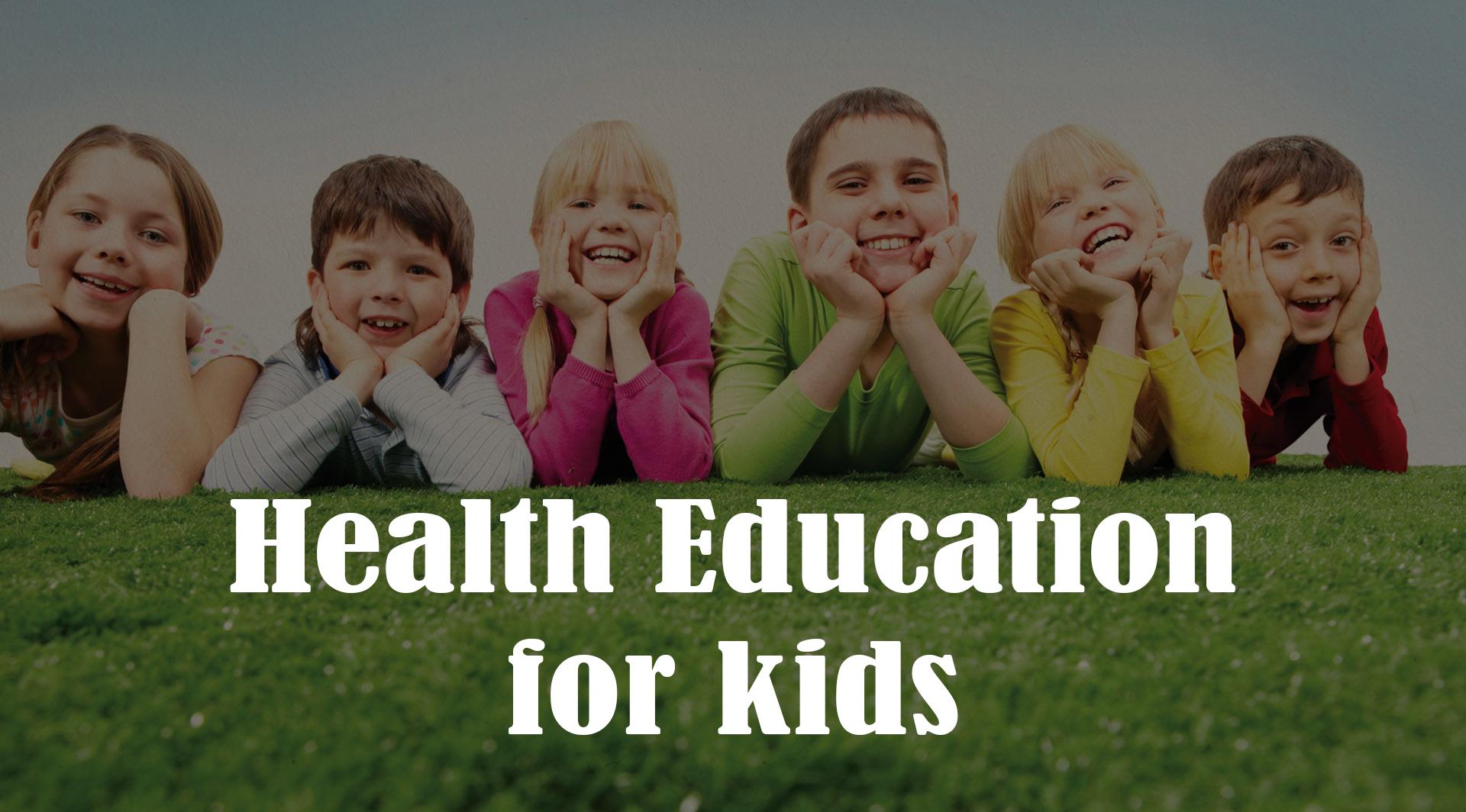
Good health is the foundation of a child's growth, learning, and overall development. While access to healthcare services is important, children also need the knowledge and skills to make healthy choices throughout their lives. This is where health education for children plays a vital role.
Health education helps children understand the importance of nutrition, hygiene, physical activity, mental well-being, and disease prevention. By learning healthy habits from an early age, children are better equipped to lead healthier and more productive lives. Organizations like CRY India work to ensure that children have access to health, education, and opportunities that support their overall well-being.
What Is Health Education for Children?
Health education for children is the process of teaching young people about physical, mental, emotional, and social well-being. It provides age-appropriate information and practical guidance that helps children understand how their choices affect their health.
The goal of health education is to empower children with knowledge and encourage positive behaviors that contribute to lifelong wellness.
Why Is Health Education Important?
Promotes Healthy Habits
Children who learn about health at an early age are more likely to adopt positive habits that continue into adulthood. These habits may include eating nutritious foods, maintaining personal hygiene, staying physically active, and getting enough sleep.
Healthy routines established during childhood can have long-term benefits.
Supports Physical Development
Proper health education helps children understand the importance of nutrition, exercise, and preventive healthcare. This knowledge supports healthy growth and development while reducing the risk of illness.
A healthy child is more likely to participate actively in school and community activities.
Encourages Disease Prevention
Teaching children about hygiene and preventive practices can reduce the spread of infections and diseases.
Important topics include:
- Handwashing with soap
- Oral hygiene
- Safe drinking water
- Vaccination awareness
- Clean surroundings
These practices contribute to better health outcomes for children and their communities.
Improves Mental and Emotional Well-Being
Health education is not limited to physical health. It also helps children understand emotions, manage stress, build self-esteem, and develop positive relationships.
Awareness of mental health contributes to emotional resilience and overall well-being.
Key Components of Health Education for Children
Nutrition Education
Children should learn about balanced diets and the importance of consuming nutritious foods. Nutrition education helps them understand how healthy eating supports growth, energy, and disease prevention.
Topics may include:
- Healthy food choices
- Balanced meals
- Importance of fruits and vegetables
- Adequate hydration
Personal Hygiene
Teaching hygiene practices helps children protect themselves from illnesses and maintain overall cleanliness.
Key lessons include:
- Regular handwashing
- Bathing and personal cleanliness
- Dental care
- Clean clothing habits
Physical Activity
Regular exercise is essential for healthy development. Health education encourages children to participate in sports, outdoor play, and physical activities that improve fitness and overall health.
Mental Health Awareness
Children should be encouraged to express emotions, seek support when needed, and understand the importance of mental well-being.
Early awareness helps create supportive environments where children can thrive emotionally and socially.
Safety and Injury Prevention
Health education also teaches children about personal safety, road safety, and injury prevention. These lessons help children make informed decisions and avoid unnecessary risks.
Benefits of Health Education for Children
Health education offers numerous advantages, including:
- Improved health awareness
- Better hygiene practices
- Reduced risk of preventable diseases
- Stronger physical development
- Enhanced mental well-being
- Improved academic performance
- Greater confidence and self-care skills
These benefits contribute to healthier individuals and stronger communities.
Role of Schools and Parents
Schools and families play an important role in promoting health education. Teachers can integrate health topics into learning activities, while parents can reinforce healthy habits at home.
When schools and families work together, children receive consistent messages about the importance of maintaining good health.
CRY India supports initiatives that help children access healthcare, nutrition, education, and safe environments that encourage healthy development.
Challenges to Health Education
Some children may face barriers to receiving quality health education, including:
- Limited access to educational resources
- Lack of health awareness in communities
- Inadequate school health programs
- Economic and social challenges
Addressing these barriers is essential to ensuring that all children benefit from health education.
Conclusion
Health education for children is a crucial investment in the future. It empowers children with the knowledge and skills needed to make healthy choices, prevent illness, and improve their overall well-being. By promoting nutrition, hygiene, physical activity, mental health awareness, and safety, health education contributes to holistic child development.
Through the combined efforts of families, schools, communities, and organizations like CRY India, we can help create a healthier future where every child has the opportunity to grow, learn, and thrive.
FAQs
1. What is health education for children?
Health education for children involves teaching young people about healthy habits, nutrition, hygiene, mental well-being, and disease prevention.
2. Why is health education important for children?
It helps children develop healthy lifestyles, prevent illnesses, improve well-being, and make informed decisions about their health.
3. What topics are included in health education?
Health education covers nutrition, personal hygiene, physical activity, mental health, safety, and disease prevention.
4. How does health education support child development?
It promotes physical, emotional, and social well-being while encouraging positive habits that contribute to lifelong health.
5. What role do schools play in health education?
Schools provide structured learning opportunities that help children understand and practice healthy behaviors in their daily lives.

 English