
The House of Kintaro Hattori: How Seiko Reshaped Horology
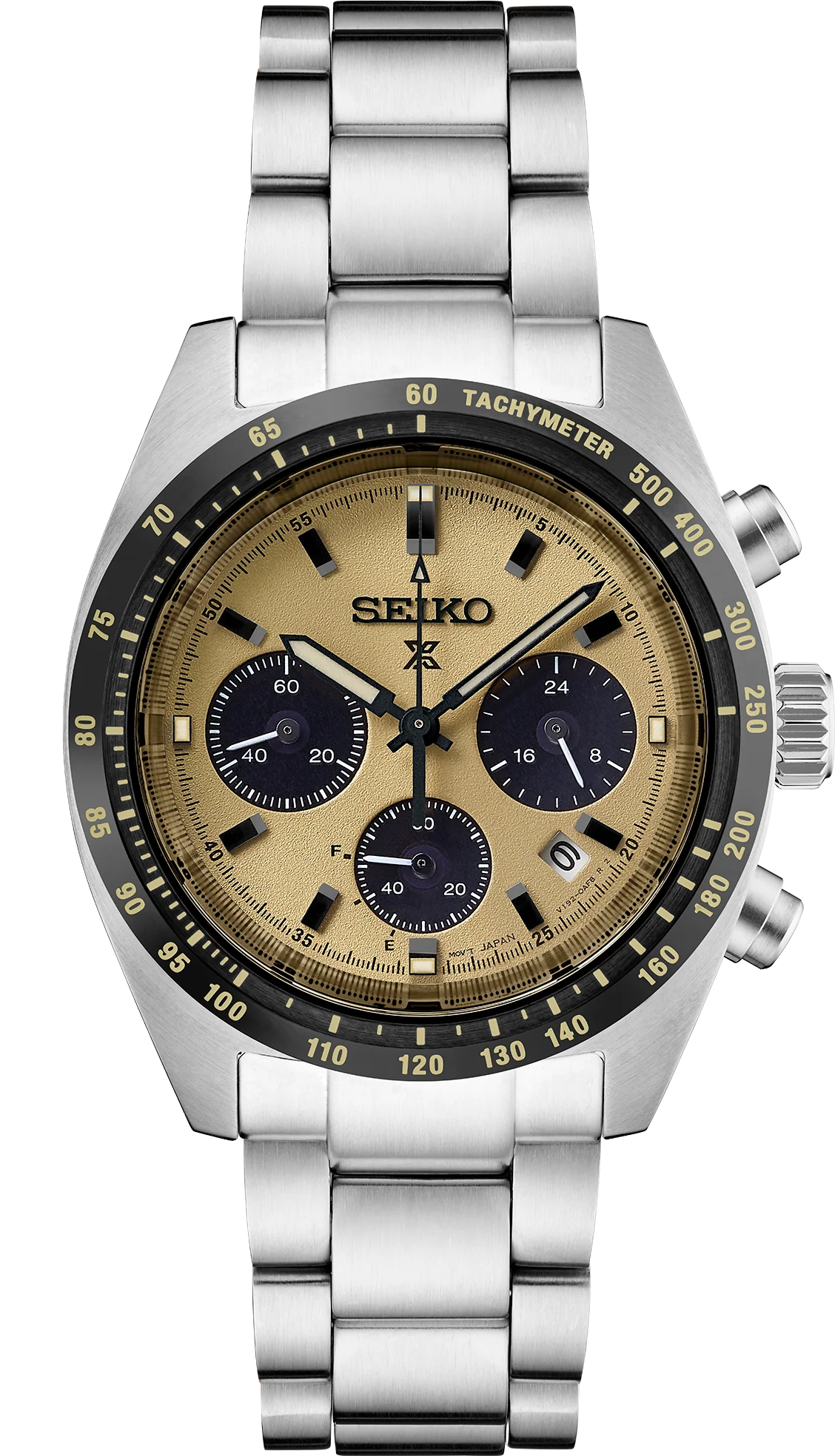
For over a century, the Swiss watchmaking industry operated under an unspoken assumption: true horological mastery was an exclusively European domain. This comfortable consensus was shattered not by a rival European house, but by a modest shop in Tokyo’s Ginza district. Founded in 1881 by an ambitious 21-year-old entrepreneur named Kintaro Hattori, Seiko evolved from a small clock repair outfit into a manufacturing titan that democratized timekeeping while pushing the absolute limits of mechanical and electronic accuracy.
Unlike many luxury brands that lean heavily on outsourced components and marketing mythologies, Seiko’s identity is built on strict vertical integration. The company manufactures every single component of its watches—from the hairsprings and synthetic jewels to the balance wheels, dials, and integrated circuits. This completely self-reliant philosophy allowed Seiko to repeatedly re-engineer what a watch could be.
The Birth of Japanese Watchmaking
Hattori’s venture initially focused on repairing and selling imported timepieces. However, his vision extended far beyond acting as a middleman. By 1892, he established the Seikosha factory, a name translating roughly to the "House of Exquisite Workmanship." The factory initially produced wall clocks before transitioning to pocket watches, and eventually, in 1913, creating the Laurel—the very first wristwatch made in Japan.
The brand survived catastrophic setbacks, including the Great Kanto Earthquake of 1923, which completely destroyed the Seikosha factory. Undeterred, Hattori rebuilt immediately. In 1924, the first watch bearing the official name "Seiko" was introduced to the world, signaling the birth of a brand destined to alter global horological history.
The Quartz Crisis: A Global Paradigm Shift
By the late 1960s, mechanical watchmaking had reached its practical limits of mass-market precision. Laboratories across the globe were racing to harness the stable, high-frequency oscillations of quartz crystals to track time. On December 25, 1969, Seiko crossed the finish line first by releasing the Seiko Quartz Astron.
The Astron was a technological marvel. By passing an electrical current through a tuning-fork-shaped quartz crystal, the watch achieved an unprecedented accuracy of within 5 seconds per month—a metric that left even the most expensive Swiss marine chronometers in the dust.
Instead of hoarding the technology behind restrictive patents, Seiko Watch chose to make its quartz innovations public. This decision triggered what Western horologists call the "Quartz Crisis"—and what others refer to as the "Quartz Revolution." While hundreds of traditional Swiss watch houses collapsed due to their inability to compete with the sheer accuracy and affordability of Japanese electronic movements, Seiko became a global household name.
Mechanical Excellence: The Pursuit of the Ideal Watch
While the company conquered the electronic frontier, it never abandoned traditional watchmaking. In 1960, a dedicated team of Seiko’s elite watchmakers set out with a simple goal: create the most perfect, accurate, and durable mechanical timepiece in the world. The result was Grand Seiko.
Grand Seiko watches were designed to challenge the highest Swiss chronometer standards. To achieve this, Seiko developed the Diashock system (proprietary shock resistance) and the Magic Lever (an ingenious, highly efficient bi-directional automatic winding system). By the late 1960s, Grand Seiko movements were consistently outperforming their Swiss counterparts in prestigious observatory chronometer trials in Neuchâtel and Geneva.
Though Grand Seiko was spun off as a completely independent luxury entity in 2017 to directly challenge high-end Swiss elites, its DNA remains fundamentally rooted in Seiko’s relentless pursuit of mechanical engineering.
The Modern Pillars: Prospex, Presage, and Spring Drive
Today, Seiko’s massive catalog is structured into distinct families, each catering to specific subcultures of horology:
-
Prospex (Professional Specifications): Highly regarded by collectors, this line traces its lineage to Seiko’s first diver's watch from 1965. Built to withstand extreme environments, Prospex dive watches utilize a unique L-shaped gasket design that resists helium gas penetration without needing a dedicated escape valve.
-
Presage: This collection blends mechanical watchmaking with traditional Japanese artistry. Presage dials frequently showcase incredibly demanding artisan techniques, including Urushi lacquer, Shippo enamel, and pristine Arita porcelain.
-
Spring Drive: Representing a unique bridge between mechanical and electronic horology, Spring Drive is a proprietary movement design. It retains a traditional mainspring and gear train for power, but replaces the traditional mechanical escapement with a "Tri-synchro Regulator" controlled by a quartz crystal. The result is a watch with quartz accuracy that displays a completely fluid, continuous sweep of the seconds hand, entirely free of the typical ticking motion seen in standard watches.
A Heritage of Innovation
Seiko’s lasting legacy is its refusal to see horology as a stagnant art form. Whether creating affordable automatic entry-level pieces like the legendary Seiko 5 series or pioneering cutting-edge Solar GPS technology that syncs with satellites to adjust timezones instantly anywhere on Earth, the brand has continually redefined the relationship between cost, quality, and performance.
Kintaro Hattori’s founding motto was to remain "One step ahead of the rest." Decades later, that philosophy continues to tick within every movement the company produces, ensuring that the House of Seiko remains an irreplaceable pillar of global horological culture.

 Turkish