
Height Safety Systems: The Safer Way to Work Above Ground Without Guesswork
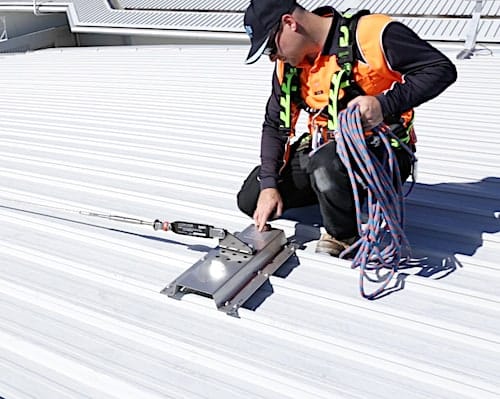
A small roof job can feel simple until you are actually standing up there. The wind feels stronger. The edge feels closer. The surface may be wet, dusty, or uneven. Suddenly, changing a filter or checking a leak does not feel like a quick task anymore. That is why height safety systems are so important for commercial and industrial buildings.
They are not just about ticking a safety box. They are about making sure every person who works above ground has a safer way to access, move, and complete the job.
Where the Real Height Risks Begin
Most people think the main danger is falling from the roof edge. That is true, but it is only part of the picture.
Height risks can appear in many places. A ladder may not be secure. A roof hatch may open near an exposed edge. A worker may need to cross a slippery roof to reach plant equipment. A skylight may look solid but may not hold weight. A platform may have missing handrails. A person may carry tools and lose balance.
The problem is often not one huge danger. It is a group of small risks that add up.
Good height safety systems help identify these risks before work starts. They make the safe route clear. They help protect workers from edges, falls, fragile areas, and unsafe access points.
Why “Being Careful” Is Not a Safety Plan
Here is the hard truth. Telling workers to “be careful” is not enough.
People get tired. Weather changes. Jobs become urgent. Workers may be focused on tools, equipment, or the repair in front of them. Even skilled people can make mistakes when they are working at height.
That is why a strong system matters. It does not rely only on memory or perfect focus. It creates physical controls and clear steps that support safe work.
For example, roof guardrails create a barrier near edges. Walkways guide people across the roof. Anchor points give workers a secure connection point when harnesses are needed. Access ladders and platforms help people move between levels with more control.
The goal is simple. Make the safe choice the easy choice.
The Best Systems Work With the Building
A height safety system should never feel random. It should fit the building, the roof, and the work being done.
A warehouse with regular HVAC servicing may need safe roof access, walkways, and edge protection. A school building may need roof anchors for maintenance teams. A factory may need platforms and handrails around plant equipment. An office building may need safe access paths for gutter cleaning, inspections, and roof repairs.
The best system starts with real questions.
Who needs access?
How often do they go up?
Where do they enter?
Where do they walk?
What equipment do they need to reach?
Where could someone fall?
When these questions are answered, the system becomes practical. It is not just equipment on a roof. It becomes a safer work plan built into the site.
What a Good Height Safety Plan Should Include
A strong height safety plan should be clear, simple, and easy to follow.
First, the access point should be safe. Workers need a secure way to get onto the roof or raised area. This may include a fixed ladder, roof hatch, platform, or stairs.
Second, the travel path should be controlled. Once a worker is on the roof, they need to know where to walk. Walkways, guardrails, and barriers help remove confusion.
Third, fall risks should be managed. This may include guardrails, roof anchors, static lines, fall restraint systems, or fall arrest systems. The right choice depends on the type of work and the level of risk.
Fourth, the system should be inspected. Safety equipment needs care. Over time, weather, wear, and building changes can affect performance. Regular checks help make sure everything still works as intended.
Safety Also Builds Trust
A well-designed height safety system does more than protect workers. It also builds trust.
Contractors feel more confident when they arrive on a site that has safe access already planned. Staff know their workplace takes safety seriously. Building owners have a clearer way to manage roof and height-related work.
It also helps avoid rushed decisions. Without a system, every roof job can become a new problem to solve. With a system in place, the site is ready before the work begins.
That is the real upgrade. Safer work, less stress, and fewer unknowns.
Final Takeaway
Height safety systems help turn risky raised areas into safer, clearer, and better-managed workspaces. They protect people from falls, guide workers along safer paths, and support better planning for ongoing maintenance.
The best time to think about height safety is not when someone is already on the roof. It is before the job begins, while there is still time to plan the safest way forward.
Framework followed: PULSE.

 Turkish