
Oral Wart Removal: What Dermatologists Recommend
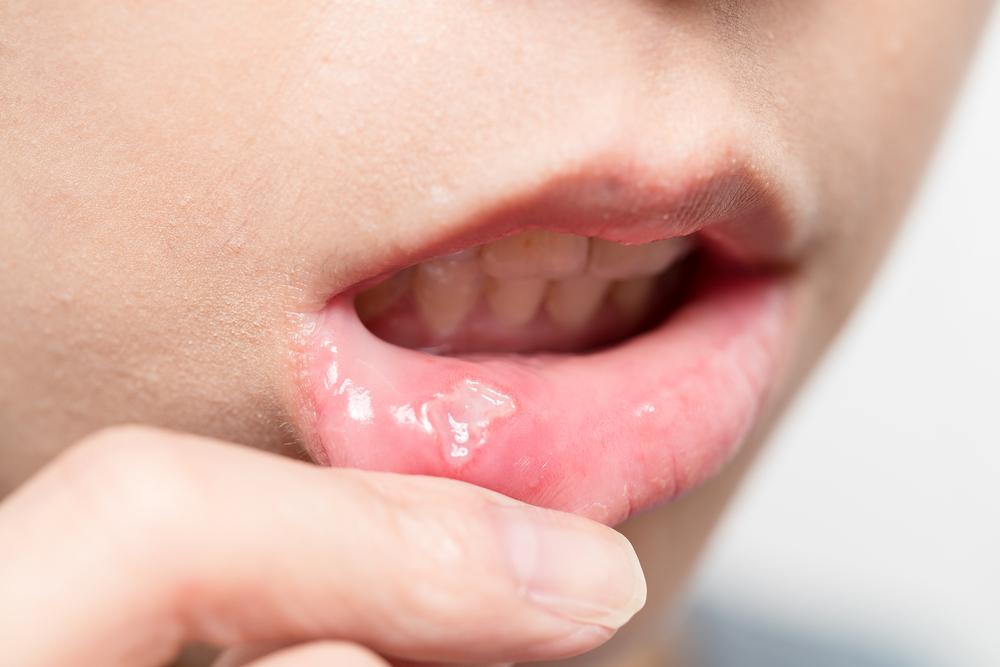
A small bump on your tongue or inside your mouth can feel worrying, especially when it doesn’t go away. You might start asking yourself if it’s something serious or just harmless irritation. In many cases, people even begin searching for how to get rid of tongue warts before knowing what the bump really is.
Oral warts are not very common, but they do happen, and they often get confused with other mouth issues. In this blog, we’ll walk through what oral warts really are, how dermatologists diagnose them, and what treatments actually work. We’ll also talk about healing, prevention, and when you should seek help. Let’s break it down step by step so you know exactly what to expect.
1. What Oral Warts Really Are and Why They Show Up
Are all tongue bumps actually warts?
Not really. And this is where most confusion starts. Oral warts are caused by certain strains of the Human Papillomavirus (HPV). This virus can enter the body through small cuts or contact in the mouth area. Once it settles, it may lead to small, rough growths on the tongue, lips, gums, or inner cheeks.
However, here’s the thing—not every bump is a wart. Many people mistake them for canker sores, irritation from biting, or even harmless tissue growths. That’s why self-checking can be tricky.
Oral warts usually appear as small, painless, or slightly raised growths. They may feel rough or grainy. In some cases, you might not even notice them unless they grow bigger or get irritated.
Transmission can happen through close contact, including oral contact or sharing items that touch the mouth. However, not everyone exposed to HPV develops warts. It often depends on immune response and overall health.
So, before jumping to conclusions, it’s important to understand what you’re actually dealing with. That brings us to the next step—proper diagnosis.
2. First Step Dermatologists Take: Proper Diagnosis
Why guessing at home can make things worse
When you visit a dermatologist or dentist, the first thing they do is carefully examine the bump. It usually starts with a visual check. They look at size, texture, location, and shape. They may also ask about how long it has been there and whether you’ve noticed any changes.
In many cases, this is enough for an initial diagnosis. However, if something looks unusual or unclear, a small biopsy may be suggested. This simply means taking a tiny sample for lab testing. It sounds intense, but it’s usually quick and done under local anesthesia.
The main reason doctors are careful is because not all mouth growths are harmless. Some conditions like fibromas, cysts, or even early signs of more serious issues can look similar in the beginning.
That’s why guessing at home is risky. You might treat the wrong problem or delay proper care. And honestly, that delay can make treatment harder later.
Once the diagnosis is confirmed, the dermatologist will recommend a treatment plan based on the size, number, and location of the warts. Let’s look at those options next.
3. Dermatologist-Recommended Treatments for Oral Warts
What actually works in clinical settings?
When it comes to removing oral warts, dermatologists usually prefer methods that are safe, precise, and effective. The choice depends on how stubborn or large the wart is.
Cryotherapy
One of the most common treatments is cryotherapy, where the wart is frozen using liquid nitrogen. This destroys the infected tissue, allowing healthy skin to grow back. It may take a few sessions, but it is widely used.
Electrosurgery
Another option is electrosurgery, where controlled heat is used to remove the wart. It sounds intense, but it is done carefully under local anesthesia. It works well for smaller, well-defined warts.
Laser Treatment
For more stubborn cases, laser treatment is often recommended. It targets the wart directly without affecting much surrounding tissue. Many dermatologists prefer this for precision, especially in sensitive areas like the tongue.
Surgical Removal
In some situations, surgical removal may be suggested. This is usually for larger growths or when other methods are not ideal. It provides immediate removal but may require slightly longer healing time.
Topical Treatments
Topical treatments are less commonly used for oral warts, but in certain mild cases, doctors may consider them.
Most procedures are quick, and while you may feel slight discomfort, they are generally manageable. After removal, the focus shifts to healing and care.
4. What Recovery Looks Like After Oral Wart Removal
Is healing painful or manageable?
Recovery after oral wart removal is usually smoother than most people expect. You may feel mild soreness, swelling, or sensitivity in the treated area for a few days. This is completely normal and part of the healing process.
Healing time depends on the treatment used. Laser and cryotherapy may heal faster, while surgical removal might take a bit longer.
Recovery Care Tips
Diet Adjustments
During recovery, your diet plays an important role. Soft foods like yogurt, mashed vegetables, and soups are often recommended. It’s better to avoid spicy, acidic, or very hot foods for a few days since they can irritate the area.
Oral Hygiene
Oral hygiene is also important, but you need to be gentle. Soft brushing and saltwater rinses are commonly suggested to keep the area clean without causing irritation.
Most people return to normal routine quickly, and complications are rare when aftercare instructions are followed properly. Once healing begins, the next concern is usually prevention and avoiding recurrence.
5. Can Oral Warts Come Back? Prevention Tips That Matter
Why some people experience recurrence
Yes, oral warts can come back in some cases. This happens because HPV may remain inactive in the body even after treatment. It does not always disappear completely.
People with weaker immune systems are more likely to experience recurrence. Stress, poor diet, or lack of sleep can also play a role in lowering immunity.
Reinfection is another possibility. Close contact with an infected person or exposure to the virus again can increase risk.
Prevention Tips
But the good news is that there are practical ways to reduce chances of recurrence:
- Maintain strong oral hygiene every day
- Avoid sharing items like toothbrushes or utensils
- Be careful with close oral contact if infection is present
- Support your immune system with good sleep and nutrition
- Keep regular dental or dermatology checkups
In some cases, doctors may also discuss HPV vaccination as a preventive option, depending on age and medical history.
So while recurrence is possible, it is not something you cannot manage. And that leads us to when you should take action quickly.
6. When You Should See a Specialist Immediately
Don’t ignore these signs
You should not wait too long if you notice changes in a mouth bump. If it grows quickly, changes color, or starts bleeding, it needs professional attention.
Pain that increases over time or a bump that doesn’t heal within a couple of weeks should also be checked. Sometimes, what looks harmless at first can behave differently later.
Any unusual texture changes or multiple new growths appearing together are also reasons to see a specialist.
Early evaluation helps rule out serious conditions and ensures proper treatment starts on time. It’s always better to check early than wait and worry later.
Conclusion
Oral warts may look small, but they can cause a lot of confusion and concern. The important thing to remember is that proper diagnosis always comes first. Once confirmed, dermatologists have several safe and effective treatment options like cryotherapy, laser treatment, and surgical removal.
Healing is usually simple, and with the right care, most people recover without major issues. Prevention also plays a big role, especially when it comes to hygiene and immune health.
If you notice any unusual bump in your mouth, don’t ignore it or rely on guessing. Early action makes a real difference in treatment success.
If you’re looking to stay proactive about oral health, now is a good time to take part in wart wellness research and stay informed about better care options for the future.

 English