
Insulated vs Enclosed Patio Covers: Which One Fits Your Home?
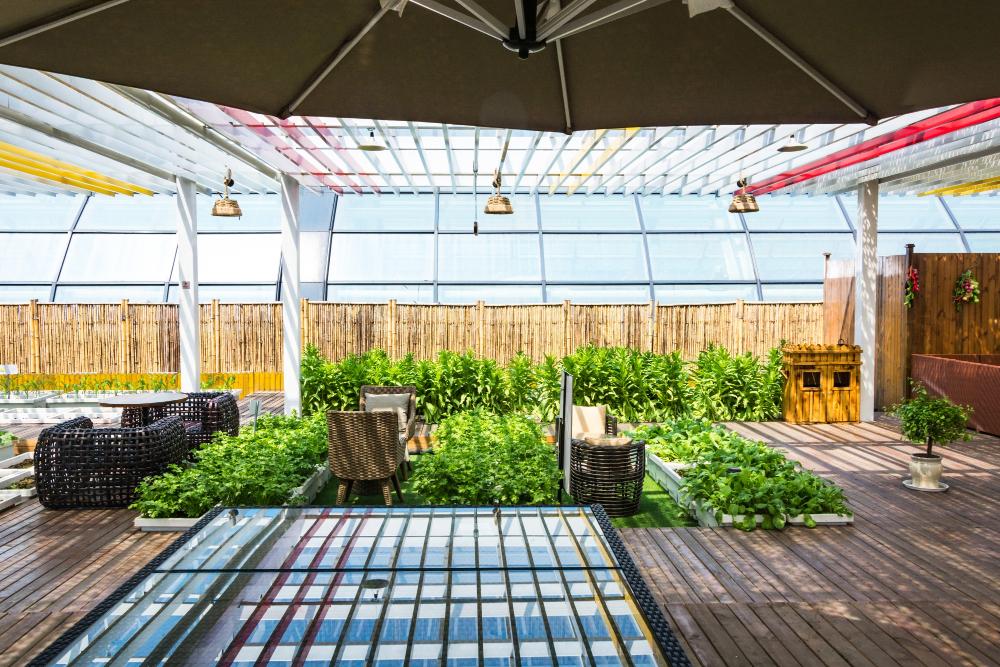
Homeowners are investing more in outdoor living than ever before. Patios are no longer treated as simple backyard additions used only during mild weather. They are becoming extensions of the home where families relax, entertain guests, work remotely, or spend time year-round.
As outdoor spaces become more functional, choosing the right structure matters. Two popular options homeowners often compare are the insulated patio cover and enclosed patio covers. While both improve comfort and usability, they serve very different purposes.
Understanding how each option works can help homeowners choose a solution that matches their climate, lifestyle, and long-term goals.
What Is an Insulated Patio Cover?
An insulated patio cover is designed to provide shade and temperature control without fully enclosing the outdoor space. These covers usually include layered roof panels with insulating material placed between aluminum or other durable exterior materials.
Unlike standard single-layer patio covers, insulated systems help reduce heat transfer from direct sunlight. This creates a cooler environment underneath the structure, especially during warmer months.
Many homeowners choose insulated covers because they improve outdoor comfort while still preserving an open-air patio experience.
These systems are commonly installed over:
-
Outdoor dining spaces
-
Backyard seating areas
-
Poolside patios
-
Outdoor kitchens
-
Entertainment zones
Insulated covers can also support additional features like recessed lighting, ceiling fans, and mounted speakers without requiring major structural changes.
What Are Enclosed Patio Covers?
Enclosed patio covers take outdoor protection a step further by creating a partially or fully enclosed living area.
Instead of simply providing overhead shade, enclosed structures may include:
-
Glass walls or sliding doors
-
Screen enclosures
-
Solid wall panels
-
Windows and ventilation systems
-
Climate control options
These spaces function more like sunrooms or outdoor extensions connected directly to the home.
Enclosed patio covers are often chosen by homeowners who want maximum protection from weather, insects, wind, or seasonal temperature changes. In many cases, they allow the patio to remain usable throughout the year.
Depending on the design, enclosed patios can feel like additional indoor living space while still offering natural light and outdoor views.
Comfort Differences Between the Two
Comfort is one of the biggest factors influencing patio design decisions.
An insulated patio cover helps reduce direct heat exposure while maintaining airflow. This makes the patio more enjoyable during sunny afternoons without making the space feel closed off.
For homeowners who enjoy fresh air and open outdoor environments, insulated systems provide a balance between protection and openness.
Enclosed patio covers create a different experience entirely. Because they block wind, rain, insects, and outside debris, they offer a more controlled environment.
This can be especially beneficial in areas with unpredictable weather or heavy mosquito activity. Some homeowners even install heating or cooling systems to turn enclosed patios into all-season rooms.
The right choice often depends on how the patio will be used throughout the year.
Maintenance and Durability Considerations
Maintenance requirements vary significantly between these two options.
Most insulated patio cover systems are built using low-maintenance materials such as aluminum. These structures are generally easier to clean and less vulnerable to moisture-related damage compared to traditional wood systems.
Because the patio remains open, there are usually fewer components that require ongoing maintenance.
Enclosed patio covers may require additional upkeep depending on the materials used. Glass panels, windows, screens, tracks, and doors often need regular cleaning and occasional repairs over time.
Ventilation systems and climate-control features can also increase maintenance responsibilities.
Homeowners looking for a simpler outdoor solution often prefer insulated systems because they offer protection without creating a fully enclosed structure.
Cost and Project Complexity
Budget is another important consideration when comparing these patio upgrades.
An insulated patio cover is typically more affordable than a fully enclosed patio system. Installation is usually faster because the project focuses primarily on the roof structure rather than adding walls, windows, or additional utilities.
Enclosed patio covers often involve more extensive construction work. Depending on the design, the project may require:
-
Electrical updates
-
Foundation modifications
-
Window installation
-
HVAC integration
-
Additional permits
Because of these added elements, enclosed systems generally involve higher upfront costs.
However, some homeowners view the investment as worthwhile because enclosed patios can function similarly to bonus rooms or sunrooms.
Which Option Works Best for Your Lifestyle?
Choosing between an insulated patio cover and enclosed patio covers depends largely on lifestyle priorities.
An insulated system may be the better fit for homeowners who:
-
Prefer open-air outdoor living
-
Want shade and temperature reduction
-
Need a lower-maintenance solution
-
Entertain frequently outdoors
-
Want a faster installation process
An enclosed patio may make more sense for homeowners who:
-
Want year-round usability
-
Need protection from insects or heavy weather
-
Prefer a more private environment
-
Want an indoor-outdoor hybrid space
-
Plan to use the area as an extension of the home
Both options improve outdoor functionality, but the overall experience they create is very different.
Final Thoughts
Outdoor living spaces continue to evolve as homeowners look for ways to make their properties more comfortable and functional.
An insulated patio cover offers a practical solution for homeowners who want shade, improved comfort, and low maintenance while still enjoying an open outdoor setting.
Enclosed patio covers provide a more protected and versatile environment that can function almost like an additional room attached to the home.
The best choice depends on climate, budget, maintenance expectations, and how the space will be used throughout the year. By understanding the strengths of both options, homeowners can make a more confident investment in their outdoor living space.

 Turkish