
Lithium Battery Shipping Training: Complete Guide for Safe Transport
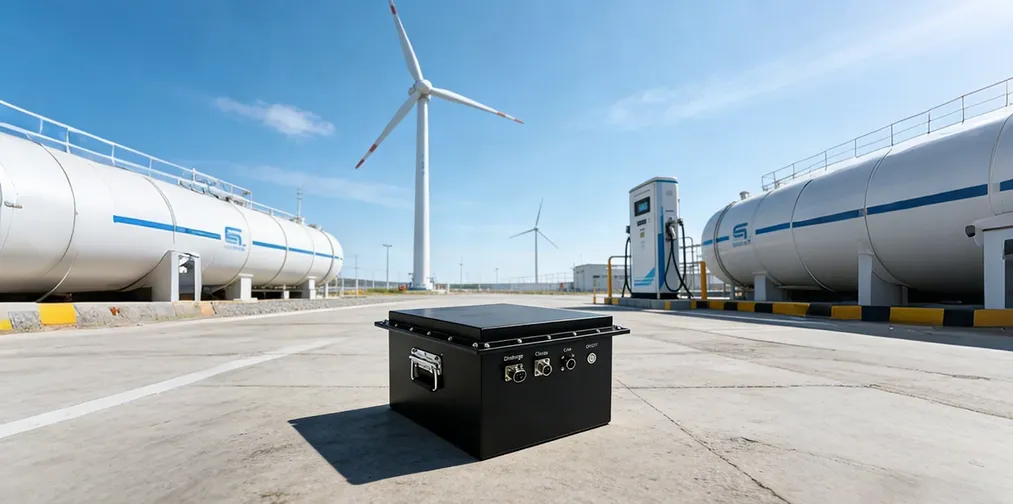
Lithium batteries power everything from smartphones and laptops to electric vehicles and industrial equipment. As their usage continues to grow worldwide, the need for safe and compliant transportation has become more important than ever. Improper handling or shipping of lithium batteries can lead to serious safety risks, including overheating, fires, and regulatory penalties.
This is why Lithium Battery Shipping Training is essential for businesses, logistics providers, warehouse staff, and anyone involved in transporting hazardous materials.
In this complete guide, we’ll explain what lithium battery shipping training is, why it matters, key regulations, training requirements, and best practices for safe transport.
What Is Lithium Battery Shipping Training?
Lithium Battery Shipping Training is a specialized hazardous materials training program designed to teach individuals how to safely package, label, handle, document, and transport lithium batteries according to national and international regulations.
The training helps employees understand:
-
Different types of lithium batteries
-
Shipping classifications
-
Packaging requirements
-
Safety procedures
-
Emergency response protocols
-
Regulatory compliance standards
Proper training ensures shipments meet transportation laws while reducing the risk of accidents during transit.
Why Lithium Battery Shipping Training Is Important
Lithium batteries are classified as hazardous materials because they can generate heat, catch fire, or explode if damaged or improperly packed.
Without proper training, businesses may face:
-
Shipping delays
-
Regulatory fines
-
Damaged products
-
Safety incidents
-
Legal liabilities
Training helps companies:
-
Improve workplace safety
-
Ensure compliance with DOT, IATA, IMDG, and ICAO regulations
-
Reduce shipping errors
-
Protect employees and customers
-
Avoid costly penalties
Types of Lithium Batteries Covered in Training
Shipping training usually covers two major battery categories:
1. Lithium-Ion Batteries
These rechargeable batteries are commonly used in:
-
Smartphones
-
Laptops
-
Power tools
-
Electric vehicles
2. Lithium Metal Batteries
These non-rechargeable batteries are often used in:
-
Medical devices
-
Watches
-
Cameras
-
Emergency equipment
Each battery type has different shipping requirements and classification codes.
Key Lithium Battery Shipping Regulations
Several organizations regulate lithium battery transportation worldwide.
DOT Regulations
The U.S. Department of Transportation (DOT) regulates hazardous materials shipping within the United States.
IATA Dangerous Goods Regulations
The International Air Transport Association (IATA) sets rules for air transportation of lithium batteries.
IMDG Code
The International Maritime Dangerous Goods (IMDG) Code governs sea transportation.
ICAO Technical Instructions
The International Civil Aviation Organization (ICAO) provides standards for international air shipping safety.
Understanding these regulations is a critical part of lithium battery shipping training.
What Is Included in Lithium Battery Shipping Training?
A comprehensive training course typically includes:
Hazard Classification
Employees learn how lithium batteries are classified under hazardous materials regulations.
Packaging Requirements
Training explains approved packaging methods to prevent battery damage and short circuits.
Marking and Labeling
Participants learn how to apply proper warning labels and markings to shipments.
Shipping Documentation
Training covers required shipping papers and declaration forms.
Emergency Procedures
Employees learn how to respond to damaged batteries, leaks, or thermal incidents.
Security Awareness
Many courses include security training to prevent unsafe handling and transportation risks.
Who Needs Lithium Battery Shipping Training?
Training is required for anyone involved in the shipping process, including:
-
Warehouse employees
-
Shipping coordinators
-
Freight forwarders
-
Logistics companies
-
E-commerce businesses
-
Manufacturers
-
Airline cargo staff
Even employees who only package or label shipments may need certification depending on regulations.
Common Lithium Battery Shipping Mistakes
Many shipping issues happen because of avoidable mistakes, such as:
-
Using incorrect packaging
-
Missing hazard labels
-
Improper battery protection
-
Incorrect documentation
-
Shipping damaged batteries
-
Ignoring quantity limitations
Proper training helps businesses avoid these costly errors.
Benefits of Lithium Battery Shipping Certification
Obtaining certification offers several advantages:
-
Improved shipping compliance
-
Reduced accident risks
-
Faster shipment processing
-
Better customer trust
-
Lower liability exposure
-
Enhanced employee knowledge
Certified employees can confidently handle hazardous material shipments according to industry standards.
Best Practices for Safe Lithium Battery Transport
To ensure safe transportation, businesses should follow these best practices:
Use Approved Packaging
Always use packaging that meets regulatory standards for lithium battery transport.
Prevent Short Circuits
Protect battery terminals with insulation or protective covers.
Inspect Batteries Before Shipping
Never ship damaged, swollen, or defective batteries.
Follow Quantity Limits
Air and ground transport may have strict quantity restrictions.
Keep Employees Updated
Shipping regulations change frequently, so regular refresher training is important.
How Often Is Refresher Training Required?
Many regulations require recurrent training every two to three years, depending on the transportation method and governing authority.
Regular updates ensure employees stay informed about:
-
New shipping rules
-
Packaging changes
-
Updated safety procedures
-
Compliance requirements
Choosing the Right Lithium Battery Shipping Training Program
When selecting a training provider, consider:
-
Certification validity
-
Regulatory coverage
-
Online vs in-person training
-
Industry reputation
-
Course updates
-
Hands-on learning opportunities
A quality training program should provide practical knowledge and current compliance information.
Final Thoughts
Lithium batteries are essential to modern technology, but transporting them safely requires proper knowledge and compliance. Lithium Battery Shipping Training helps businesses reduce risks, avoid penalties, and ensure safe transportation across air, sea, and ground networks.
Whether you are a manufacturer, warehouse operator, or logistics provider, investing in professional lithium battery shipping training is an important step toward maintaining safety and regulatory compliance.
Proper training not only protects shipments and employees but also helps businesses build trust and reliability in today’s fast-moving global supply chain.
Frequently Asked Questions (FAQs)
1. What is lithium battery shipping training?
Lithium battery shipping training teaches individuals how to safely package, label, and transport lithium batteries according to hazardous material regulations.
2. Who needs lithium battery shipping certification?
Anyone involved in handling, packaging, or shipping lithium batteries, including warehouse staff, logistics teams, and manufacturers, may require certification.
3. Why are lithium batteries regulated during shipping?
Lithium batteries can overheat, short circuit, or catch fire if damaged or improperly handled, making them hazardous materials.
4. How often should lithium battery shipping training be renewed?
Most regulations require refresher training every 2–3 years to stay compliant with updated safety and shipping standards.
5. Can lithium batteries be shipped internationally?
Yes, but shipments must follow international regulations such as IATA, IMDG, and ICAO guidelines for safe transport.
Call to Action
Protect your business from costly shipping errors and compliance risks with expert lithium battery shipping training. Get certified today and ensure safe, hassle-free transportation.
Location
275 Quadra Street Victoria Road, New York
Call Now
708.623.7600

 English