
Bone Conduction Headphones for Swimming: The Ultimate Guide for Underwater Listening
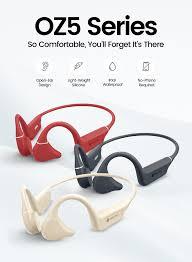
Swimming is one of the best full-body workouts, but many swimmers find laps repetitive without music or audio to keep them motivated. Traditional earbuds are not ideal in water because they often fall out, become uncomfortable, or fail due to waterproof limitations. This is where bone conduction headphones have become a game-changing option for swimmers.
Bone conduction headphones for swimming allow users to listen to music underwater without placing anything inside the ears. Their secure fit, waterproof design, and open-ear comfort make them one of the best choices for pool training, open-water swimming, and aquatic workouts.
In this guide, we’ll explain how bone conduction headphones work in water, why they are ideal for swimmers, and what features to look for when buying a pair.
What Are Bone Conduction Headphones?
Bone conduction headphones are wireless audio devices that transmit sound through vibrations rather than through the ear canal. They sit on your cheekbones, just in front of the ears, and send vibrations directly to the inner ear.
This means your ears remain open while you listen.
For swimming, this design offers major benefits:
- No earbuds inside the ears
- More comfort in water
- Secure fit under swim caps
- Better awareness around the pool
Because water blocks and distorts regular audio signals, bone conduction can often provide a clearer listening experience underwater than traditional earphones.
How Bone Conduction Works in Swimming
Bone conduction headphones work especially well in water because vibrations travel effectively through solid structures like bone.
The headphones rest against the cheekbones and convert music into tiny vibrations. These vibrations pass through the skull and reach the cochlea, which processes the sound.
This bypasses:
- Ear canal
- Eardrum
- Middle ear
As a result, swimmers can hear audio even when submerged.
Interestingly, many users say bone conduction headphones can sound even better underwater because the water enhances the transmission of vibrations.
Why Bone Conduction Headphones Are Popular for Swimming
Bone conduction technology has become one of the top choices for swimmers for several reasons.
1. Waterproof Design
Many swim-specific bone conduction headphones have high waterproof ratings such as IP68, which means they can be submerged for extended periods.
This makes them suitable for:
- Pool laps
- Open-water swims
- Aqua fitness
- Triathlon training
2. Secure Fit
Traditional earbuds can easily fall out while swimming. Bone conduction headphones wrap around the back of the head and stay securely in place.
This is especially helpful during:
- Flip turns
- Fast laps
- Diving starts
3. Open-Ear Comfort
Since nothing enters the ear canal, many swimmers find them more comfortable than waterproof earbuds.
They also avoid pressure inside the ears, which can be uncomfortable during long swim sessions.
4. Compatible with Swim Caps and Goggles
Most models are lightweight and slim enough to fit comfortably with:
- Swim caps
- Goggles
- Earplugs
This makes them practical for serious swimmers.
Can You Use Bluetooth Underwater?
One important thing to know is that Bluetooth does not work well underwater.
Water blocks Bluetooth signals quickly, which means streaming music from your phone while swimming is unreliable.
Because of this, most swimming bone conduction headphones include built-in MP3 storage instead of relying on Bluetooth.
Users simply:
- Download music files
- Transfer them to the headphones
- Play directly from internal storage
This is the best solution for underwater listening.
Best Features to Look for in Swimming Bone Conduction Headphones
If you are choosing headphones for swimming, several features matter.
Waterproof Rating
Look for at least:
- IP68 waterproof rating
This ensures the headphones can handle full submersion.
Internal Storage
Because Bluetooth struggles underwater, built-in storage is essential.
Most models offer:
- 4GB
- 8GB
- 16GB storage
This allows hundreds of songs.
Battery Life
Good swimming headphones typically provide:
- 6 to 10 hours battery life
Enough for multiple swim sessions.
Comfortable Fit
A lightweight, flexible frame ensures comfort under goggles and swim caps.
Advantages of Bone Conduction Headphones for Swimming
Bone conduction swimming headphones offer several benefits.
Hands-Free Entertainment
Music can make training more enjoyable and help swimmers maintain pace.
No Ear Canal Blockage
This reduces discomfort and avoids earbud slipping.
Better Workout Motivation
Listening to music, podcasts, or training audio can improve consistency.
Ideal for Triathletes
Triathletes often use the same headphones for:
- Running
- Cycling
- Swimming
This versatility makes them a smart investment.
Are Bone Conduction Headphones Safe for Swimming?
Yes, bone conduction headphones are generally safe for swimming when they are specifically designed for underwater use.
Important safety tips:
- Use only waterproof models
- Follow manufacturer depth limits
- Dry them after use
- Clean after saltwater exposure
They should never be charged while wet.
Popular Brands for Swimming
Several brands make excellent swimming bone conduction headphones.
Popular options include:
- Shokz
- Naenka
- Mojawa
Among them, Shokz is one of the most recognized for swimming due to its waterproof and MP3-enabled models.
Drawbacks of Bone Conduction Headphones for Swimming
While they are excellent for many swimmers, they are not perfect.
1. No Streaming Underwater
You must use stored music files rather than live Bluetooth streaming.
2. Sound Quality Differences
Audio underwater may sound different than on land.
3. Higher Cost
Swim-specific models are often more expensive than regular headphones.
4. Limited Music Sources
Some streaming services make file transfer difficult.
Are Bone Conduction Headphones Worth It for Swimmers?
For frequent swimmers, absolutely.
They offer a unique combination of:
- Waterproof durability
- Secure fit
- Comfort
- Underwater audio
For lap swimmers who train several times a week, they can make workouts more enjoyable and less repetitive.
If you swim only occasionally, standard waterproof earbuds may be sufficient. But for dedicated swimmers, bone conduction headphones are often the superior option.
Final Thoughts
Bone conduction headphones have changed the way swimmers enjoy music underwater. By transmitting sound through the cheekbones instead of the ear canal, they provide a secure and comfortable listening experience that traditional earbuds cannot match.
Their waterproof design, built-in storage, and stable fit make them ideal for pool training, open-water swimming, and triathlon use.
While they may cost more than standard headphones, the convenience and performance they offer make them a worthwhile investment for serious swimmers.
If you want to make your swim workouts more enjoyable, bone conduction headphones swimming are one of the best audio solutions available today.

 Turkish