
IPTV vs Traditional Cable: What’s the Difference?
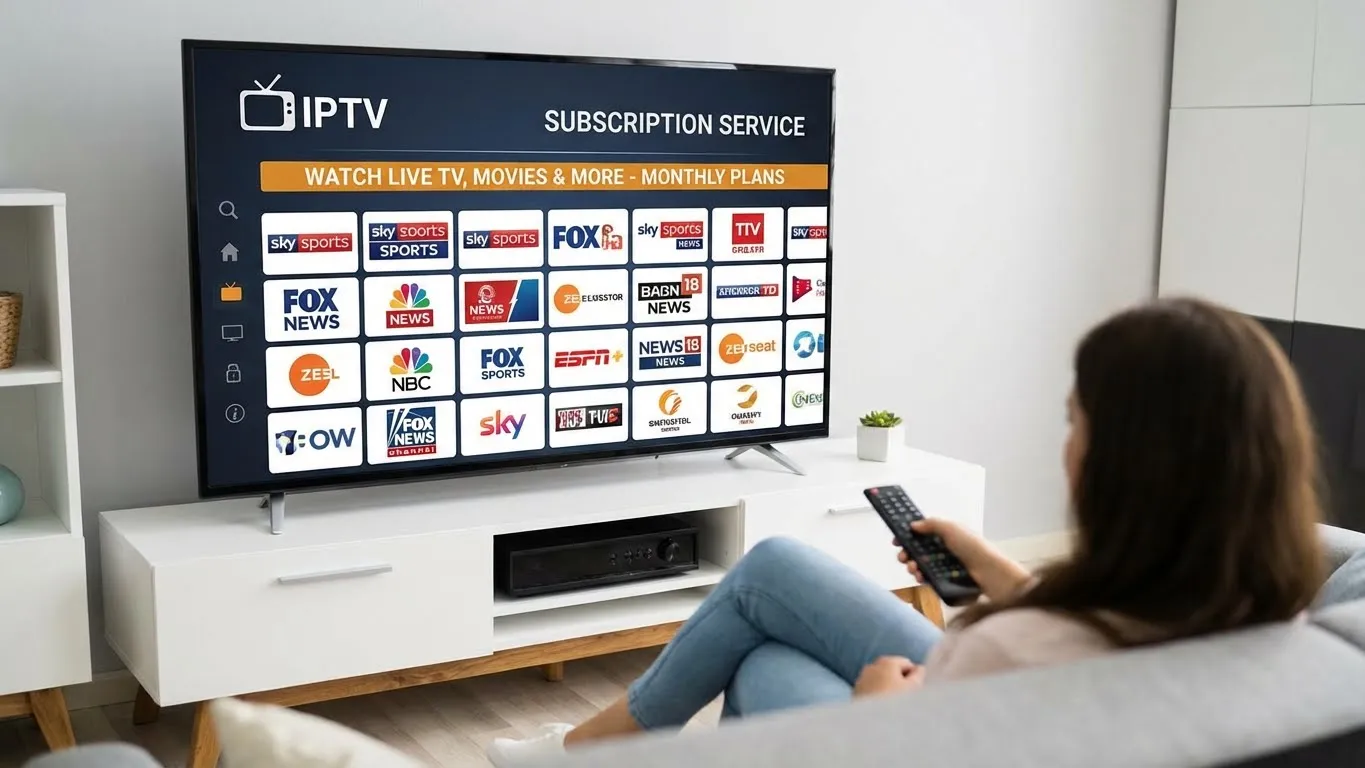
The way people consume television content has changed dramatically over the last decade. For years, traditional cable TV dominated home entertainment, offering households access to live channels, sports, movies, and news through wired connections. Today, however, IPTV is rapidly becoming a popular alternative.
As internet technology continues to improve, many viewers are moving away from expensive cable subscriptions and switching to more flexible streaming solutions. But despite the growing popularity of IPTV, many people still wonder how it actually differs from traditional cable television.
Both services provide access to TV content, but the technology, user experience, pricing, flexibility, and viewing options are completely different.
This article explores the major differences between IPTV and traditional cable TV, helping you understand which option better fits modern entertainment needs.
What Is IPTV?
IPTV stands for Internet Protocol Television. Instead of delivering television signals through satellite dishes or cable lines, IPTV streams content over the internet.
Users can access IPTV services through:
- Smart TVs
- Android TV devices
- Smartphones
- Tablets
- Computers
- Streaming boxes
Most IPTV platforms support live TV channels, movies, TV shows, sports, and video-on-demand libraries.
Unlike traditional television broadcasting, IPTV allows users to stream content whenever they want, often with greater control over playback and viewing preferences.
What Is Traditional Cable TV?
Traditional cable TV uses coaxial cables to deliver television channels directly into homes. Cable providers broadcast signals through physical infrastructure installed across cities and neighborhoods.
Subscribers usually receive:
- Fixed channel packages
- Local and international channels
- Premium movie networks
- Scheduled broadcasting
- DVR options
Cable television became the standard entertainment solution for decades because it offered reliable live broadcasting and broad channel access.
However, the rise of internet streaming has changed audience expectations significantly.
The Main Difference Between IPTV and Cable
The biggest difference is how content is delivered.
IPTV
IPTV uses an internet connection to stream television content digitally.
Traditional Cable
Cable TV relies on physical cable networks and broadcast systems.
This technological difference affects nearly every aspect of the viewing experience, including pricing, flexibility, installation, and content accessibility.
Installation and Setup
IPTV Setup
One of IPTV’s biggest advantages is simplicity.
Most IPTV services only require:
- A stable internet connection
- A compatible device
- An IPTV app or media player
- Subscription login details
Users can often start streaming within minutes without technician visits or cable installations.
Cable TV Setup
Traditional cable services usually require professional installation.
This may include:
- Cable wiring
- Set-top boxes
- Hardware activation
- Long-term contracts
The setup process is generally more time-consuming and less flexible compared to IPTV.
Content Flexibility
IPTV Offers On-Demand Freedom
IPTV is designed around modern viewing habits. Users can stream content whenever they want instead of following fixed schedules.
Features often include:
- Video-on-demand libraries
- Catch-up TV
- Replay functions
- Pause and rewind live television
- Multi-device access
This flexibility is one of the biggest reasons IPTV continues to grow worldwide.
Cable TV Follows Traditional Scheduling
Cable television primarily focuses on scheduled programming. Although many cable providers now include DVR features, the overall experience still revolves around fixed broadcast times.
Viewers often need to plan around television schedules rather than watch content on demand.
Device Compatibility
IPTV Works Across Multiple Devices
IPTV can be accessed almost anywhere.
Users can stream on:
- Smart TVs
- Smartphones
- Tablets
- Gaming consoles
- Laptops
- Streaming devices
This creates a seamless entertainment experience both at home and on the go.
Cable TV Is More Location-Based
Cable TV is usually tied to a physical location and television setup inside the home.
Although some cable providers offer mobile apps, IPTV generally provides much better cross-device flexibility.
Picture Quality and Streaming Performance
IPTV Streaming Quality
Modern IPTV services can support:
- HD streaming
- Full HD
- 4K Ultra HD
- HDR content
However, IPTV quality depends heavily on internet speed and server stability. Poor internet connections may cause buffering or lag.
Cable TV Reliability
Cable television often provides stable live broadcasting because it does not depend on internet bandwidth in the same way IPTV does.
During internet outages, cable TV may continue working while IPTV becomes unavailable.
Pricing Comparison
IPTV Is Usually More Affordable
One of IPTV’s biggest advantages is cost savings.
Many IPTV subscriptions offer:
- Thousands of channels
- Sports packages
- International content
- Movies and series
— at significantly lower monthly prices compared to cable providers.
Users also avoid equipment rental fees and installation costs.
Cable TV Can Be Expensive
Traditional cable subscriptions often include:
- Long-term contracts
- Equipment charges
- Premium channel add-ons
- Hidden service fees
As monthly costs continue rising, many households are looking for more affordable alternatives.
International Content Access
IPTV Has Global Reach
IPTV services often provide access to channels from multiple countries around the world.
This is especially useful for:
- Expats
- International sports fans
- Multilingual households
- Foreign movie enthusiasts
Users can easily access content that local cable providers may not offer.
Cable TV Is More Region-Limited
Cable providers usually focus on local and regional broadcasting rights.
International content may require expensive add-ons or may not be available at all.
User Experience and Customization
IPTV Feels More Modern
Most IPTV platforms include advanced features such as:
- Personalized recommendations
- Favorite channel lists
- Search functions
- Custom playlists
- Interactive program guides
The interface often resembles modern streaming services like Netflix or YouTube.
Cable TV Offers Simpler Navigation
Cable interfaces are generally more traditional and less customizable.
While some viewers appreciate the simplicity, others prefer the smarter and more interactive IPTV experience.
Internet Dependency
IPTV Requires Strong Internet
Since IPTV streams content online, internet quality directly affects performance.
For smooth HD or 4K streaming, users typically need:
- Fast broadband speeds
- Stable Wi-Fi or Ethernet connections
- Reliable IPTV servers
Cable TV Works Independently
Cable television does not rely entirely on internet access, making it more stable in areas with poor connectivity.
This remains one of cable TV’s strongest advantages.
Legal and Licensing Differences
IPTV Legality Depends on the Provider
IPTV technology itself is completely legal. However, some providers distribute copyrighted content without proper licensing.
Users should always choose reputable IPTV services that operate legally.
Cable TV Is Fully Licensed
Traditional cable companies operate under official broadcasting agreements and government regulations.
This generally makes cable TV legally straightforward for consumers.
Which One Is Better for Modern Viewers?
The answer depends on viewing preferences and lifestyle.
IPTV Is Best For:
- Users who want flexibility
- People looking for lower costs
- International content viewers
- Multi-device streaming
- On-demand entertainment lovers
Cable TV Is Best For:
- Areas with unreliable internet
- Users who prefer simple setups
- Traditional live TV viewers
- Households wanting highly stable broadcasting
The Future of Television
The entertainment industry is shifting rapidly toward internet-based streaming.
As internet speeds improve and Smart TVs become more advanced, IPTV continues gaining popularity across the world. Many younger viewers now prefer streaming flexibility over traditional cable subscriptions.
Cable television still has advantages in reliability and live broadcasting, but IPTV reflects the future of personalized entertainment.
The next generation of television is likely to become even more internet-driven, interactive, and accessible across multiple devices.
IPTV and traditional cable TV both deliver television content, but they offer very different experiences.
Cable television focuses on stability and traditional broadcasting, while IPTV prioritizes flexibility, affordability, customization, and modern streaming convenience.
For viewers who want entertainment on their own terms, IPTV provides a powerful alternative to conventional cable systems. However, users with slower internet connections may still find cable TV more dependable.
As technology continues evolving, IPTV is expected to play an even larger role in shaping the future of home entertainment worldwide. Check our IPTV streaming service acccount

 English