
How to Make Macarons at Home Step by Step Easy
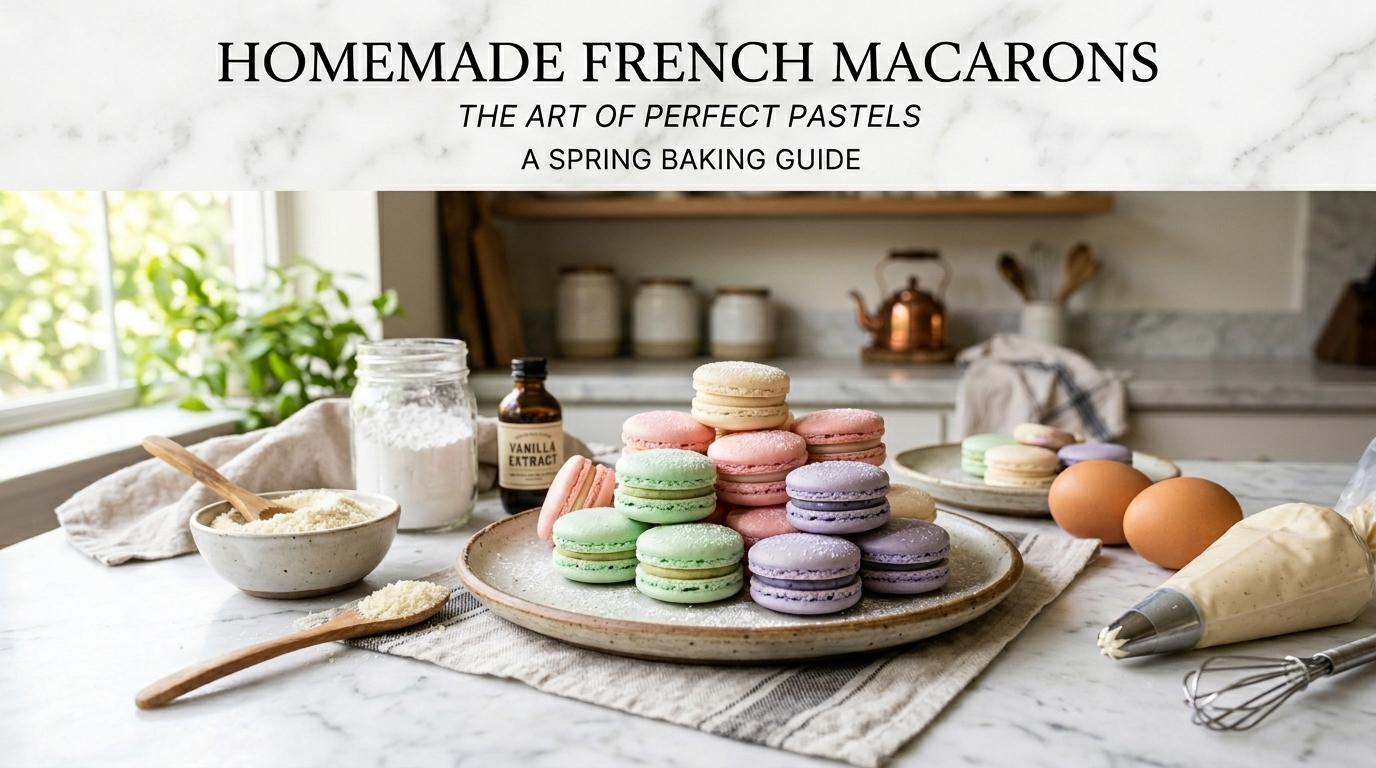
Macarons are one of the most elegant and colorful desserts in the world. These delicate French sandwich cookies are loved for their crisp outer shell, soft chewy center, and creamy filling. Although macarons may look difficult to make, beginners can successfully prepare them at home by following the right steps and techniques.
In this complete guide, you will learn how to make macarons step by step in an easy way. We will also answer common questions like which macaron method is easiest, why macarons sometimes make people sick, whether lactose intolerant people can eat them, and useful tricks to make perfect macarons every time.
What Are Macarons?
Macarons are small sandwich cookies made mainly from almond flour, powdered sugar, egg whites, and granulated sugar. They usually contain buttercream, ganache, or jam filling between two shells.
These cookies are famous for their smooth top, delicate “feet” around the edges, and light texture. Macarons are often served at weddings, birthdays, cafes, and luxury dessert shops because of their stylish appearance.
Ingredients Needed for Easy Homemade Macarons
Before starting, prepare all ingredients carefully because macarons require accurate measurements.
Ingredients for Macaron Shells
- 1 cup almond flour
- 1 ¾ cup powdered sugar
- 3 egg whites (room temperature)
- ¼ cup granulated sugar
- ½ teaspoon vanilla extract
- Food coloring (optional)
Ingredients for Filling
- ½ cup butter
- 1 cup powdered sugar
- 1 teaspoon vanilla extract
- 1–2 tablespoons cream or milk
Step-by-Step Easy Macaron Recipe
Step 1: Prepare the Dry Ingredients
Sift the almond flour and powdered sugar together into a large bowl. This step is extremely important because smooth ingredients help create smooth macaron shells.
If the almond flour looks chunky, blend it lightly in a food processor before sifting.
Step 2: Beat the Egg Whites
Place room-temperature egg whites into a clean bowl. Beat them using an electric mixer until soft peaks form.
Slowly add granulated sugar while mixing. Continue beating until stiff peaks appear. The mixture should look glossy and thick.
Add vanilla extract and food coloring if desired.
Step 3: Fold the Batter Correctly
Now gently fold the dry ingredients into the egg white mixture using a spatula.
This process is called macaronage. The batter should flow slowly like lava. Overmixing can ruin the shells, while undermixing can create cracked macarons.
One of the biggest secrets to success is mastering this folding stage.
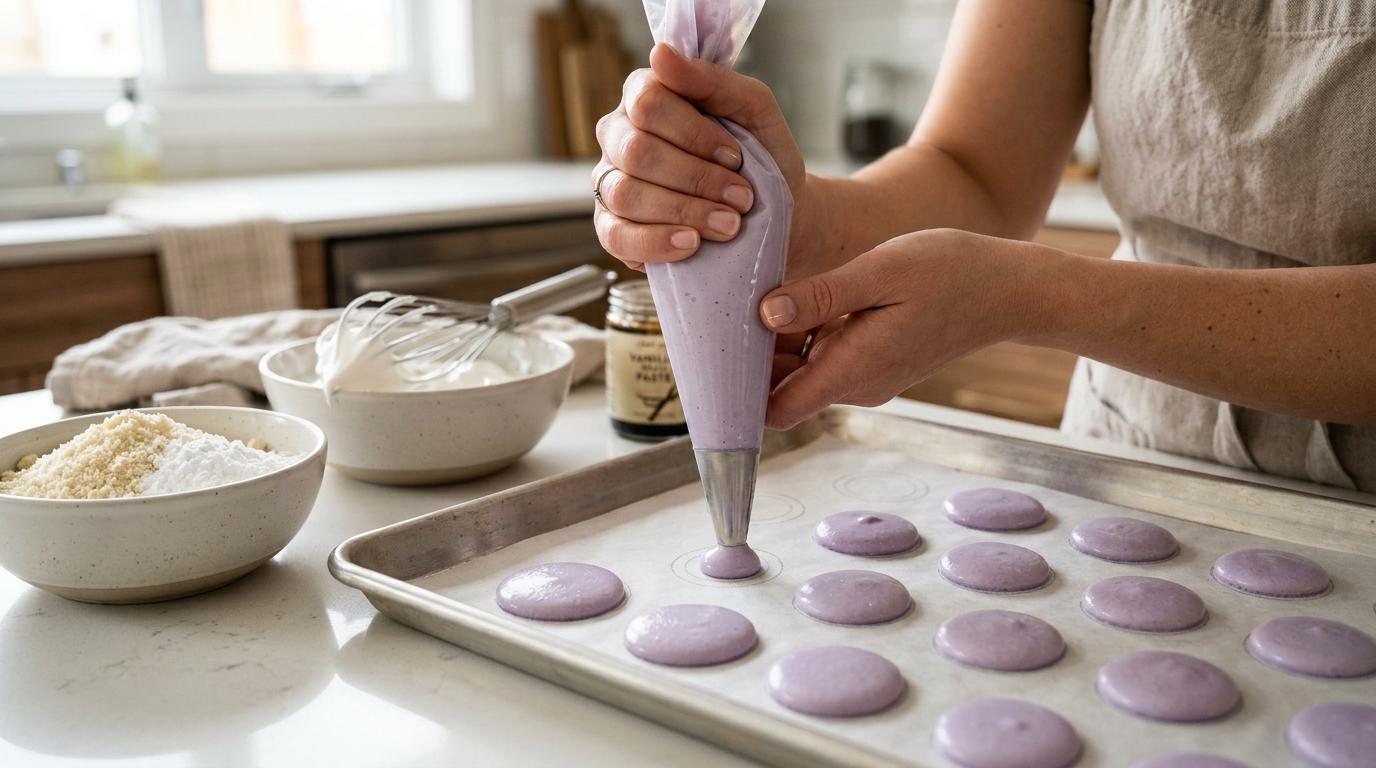
Step 4: Pipe the Macarons
Transfer the batter into a piping bag fitted with a round tip.
Pipe small circles onto parchment paper or a silicone baking mat. Keep equal spacing between each shell.
Tap the baking tray firmly against the counter several times to remove air bubbles.
Step 5: Let the Shells Rest
Allow the macarons to sit at room temperature for 30–60 minutes.
The tops should become dry to the touch before baking. This resting period helps create the famous macaron feet during baking.
Step 6: Bake the Macarons
Bake at 300°F (150°C) for about 14–16 minutes.
Do not open the oven frequently because temperature changes can damage the shells.
After baking, let them cool completely before removing from the tray.
Step 7: Prepare the Filling
Beat butter until creamy. Add powdered sugar gradually and mix until fluffy.
Add vanilla extract and cream for smooth consistency.
You can also use chocolate ganache, fruit jam, or cream cheese filling.
Step 8: Assemble the Macarons
Match similar-sized shells together.
Pipe filling onto one shell and gently place another shell on top.
Refrigerate the macarons for 24 hours before serving because this improves texture and flavor.
Which Macaron Method Is the Easiest?
There are three popular methods for making macarons:
- French Method
- Italian Method
- Swiss Method
The French method is considered the easiest for beginners because it uses simple whipped egg whites without cooking sugar syrup.
Although the Italian method creates more stable macarons, it is more advanced and requires precise temperature control.
For beginners learning at home, the French method is the best choice because it is simple, affordable, and easier to practice.
What Is the Trick to Making Perfect Macarons?
Many people struggle with macarons because even small mistakes can affect the final result. Here are the most important tricks for success:
Use Accurate Measurements
Always measure ingredients carefully using a kitchen scale. Macarons are sensitive to ingredient balance.
Room Temperature Egg Whites
Cold egg whites do not whip properly. Let them sit at room temperature before mixing.
Avoid Humidity
Humid weather can stop macarons from drying correctly. Try baking on dry days if possible.
Do Not Overmix
The batter should flow slowly but not become watery.
Rest Before Baking
Skipping the resting stage often causes cracked shells.
Maintain Oven Temperature
An unstable oven temperature can ruin texture and shape.
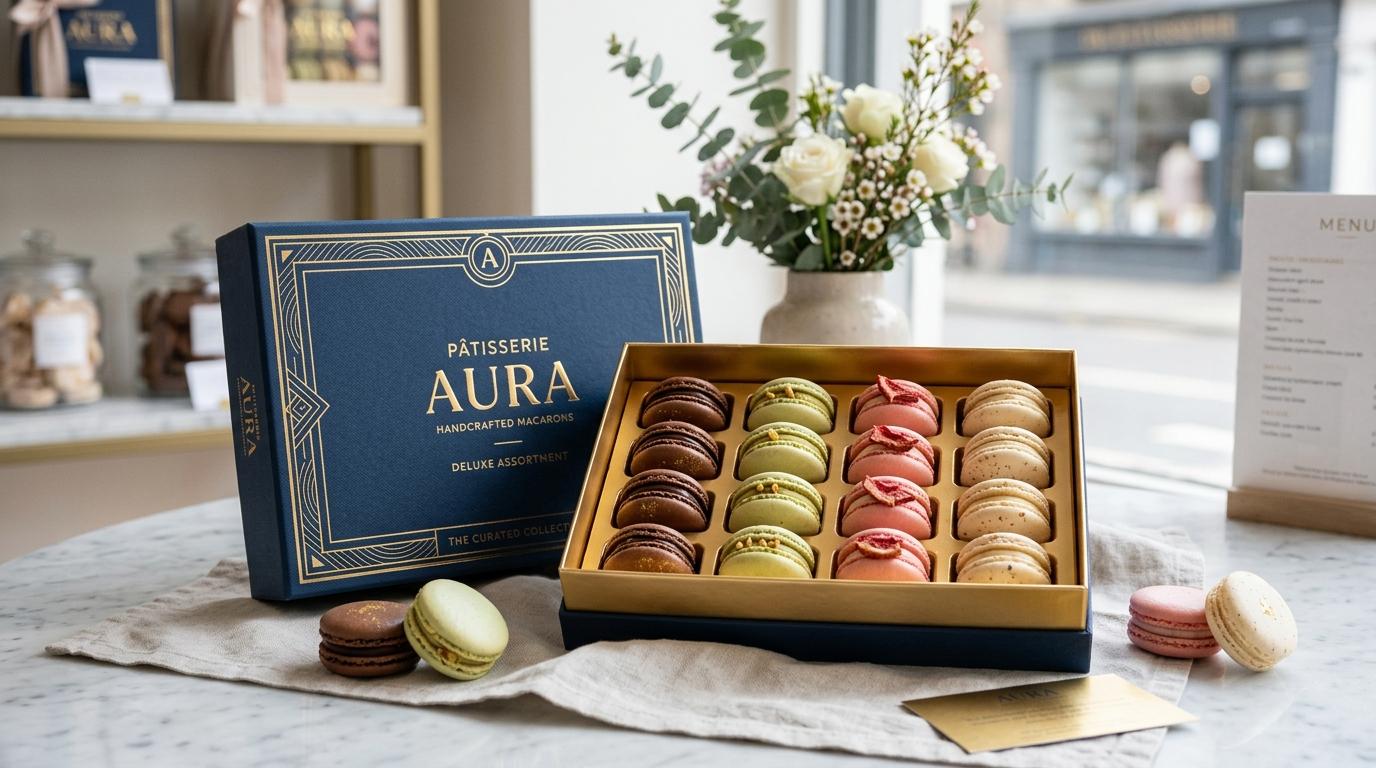
Professional bakeries often focus heavily on presentation because macarons are visually attractive desserts. Beautiful packaging also enhances their appeal, especially for gifting and luxury sales. Many dessert businesses invest in Personalized Macaron Boxes to protect delicate shells while creating an elegant customer experience.
Can Lactose Intolerant People Eat Macarons?
Traditional macaron shells usually do not contain milk because they are mainly made from almond flour, sugar, and egg whites.
However, the filling often contains butter, cream, or chocolate, which may cause problems for lactose intolerant individuals.
Lactose-Free Alternatives
People with lactose intolerance can still enjoy macarons by using:
- Dairy-free butter
- Coconut cream filling
- Vegan chocolate ganache
- Fruit jam fillings
Always check ingredients carefully when buying macarons from bakeries.
Why Do Macarons Make Some People Sick?
Some people may feel sick after eating macarons for several reasons.
Almond Allergy
Macarons contain almond flour, which can trigger nut allergies.
Dairy Sensitivity
Buttercream fillings may upset people sensitive to dairy products.
High Sugar Content
Macarons are sweet desserts, and excessive sugar can sometimes cause nausea or headaches.
Food Coloring Sensitivity
Artificial food dyes may affect sensitive individuals.
Gluten Cross-Contamination
Although macarons are naturally gluten-free, bakery environments may expose them to gluten contamination.
If you regularly feel sick after eating macarons, it is best to identify the ingredient causing the reaction.
Which Country Eats the Least Gluten?
Countries with rice-based diets often consume less gluten compared to countries where wheat products dominate meals.
Some Asian countries traditionally consume lower amounts of gluten because rice is their primary staple food.
However, gluten consumption varies greatly depending on modern eating habits and imported foods.
Macarons are naturally considered gluten-free because they use almond flour instead of wheat flour. This makes them popular among people looking for gluten-friendly dessert options.
Common Macaron Problems and Solutions
Cracked Shells
Causes:
- Batter undermixed
- No resting time
- Oven too hot
Solution:
- Rest shells longer
- Check oven temperature carefully
Hollow Macarons
Causes:
- Overbeaten egg whites
- Incorrect folding
Solution:
- Beat to stiff peaks only
- Fold gently
No Feet on Macarons
Causes:
- Wet batter
- Insufficient drying time
Solution:
- Let shells dry fully before baking
Sticky Bottoms
Causes:
- Undercooked shells
Solution:
- Bake a few extra minutes
Best Fillings for Homemade Macarons
Macarons can be customized with many delicious fillings.
Popular choices include:
- Vanilla buttercream
- Chocolate ganache
- Raspberry jam
- Lemon curd
- Pistachio cream
- Salted caramel
- Strawberry frosting
Creative flavors make macarons exciting for parties and special events.
Tips for Storing Macarons
Proper storage helps macarons stay fresh and delicious.
Refrigerator Storage
Store macarons in an airtight container for up to 5 days.
Freezer Storage
Macarons freeze well for about one month.
Avoid Heat
Warm temperatures can soften fillings and damage texture.
Luxury bakeries often use premium packaging solutions to maintain freshness and protect fragile shells during delivery. Many dessert brands rely on Silver Edge Packaging to create stylish and protective packaging designs that improve product presentation and customer satisfaction.
Are Homemade Macarons Better Than Store-Bought?
Homemade macarons allow full control over flavor, sweetness, and ingredients. You can experiment with fillings and colors while avoiding preservatives.
Store-bought macarons are convenient, but homemade versions often taste fresher and more personalized.
Making macarons at home can also become a fun baking hobby once you understand the process.
Final Thoughts
Macarons may seem intimidating at first, but they become much easier with patience and practice. By following the correct steps, measuring ingredients carefully, and learning proper mixing techniques, beginners can successfully create beautiful macarons at home.
The French method remains the easiest option for beginners, while simple tricks like resting the shells and controlling oven temperature greatly improve results. Whether you enjoy classic vanilla macarons or creative fruity flavors, homemade macarons are a rewarding dessert project.
With proper presentation, delicious flavor combinations, and attractive packaging, macarons continue to be one of the world’s most loved luxury desserts.

 Turkish