The agricultural industry is embracing cleaner and more energy-efficient technologies, and the solar tractor is becoming one of the most exciting innovations in modern farming. Designed to operate using solar energy and electric power systems, solar tractors help reduce fuel costs, minimize environmental impact, and improve sustainability in agriculture.
As farmers search for eco-friendly solutions and renewable energy options, the solar tractor offers a practical alternative to traditional diesel-powered machinery. In this article, we will explore the features, benefits, applications, and future potential of solar tractors in modern agriculture.
What Is a Solar Tractor?
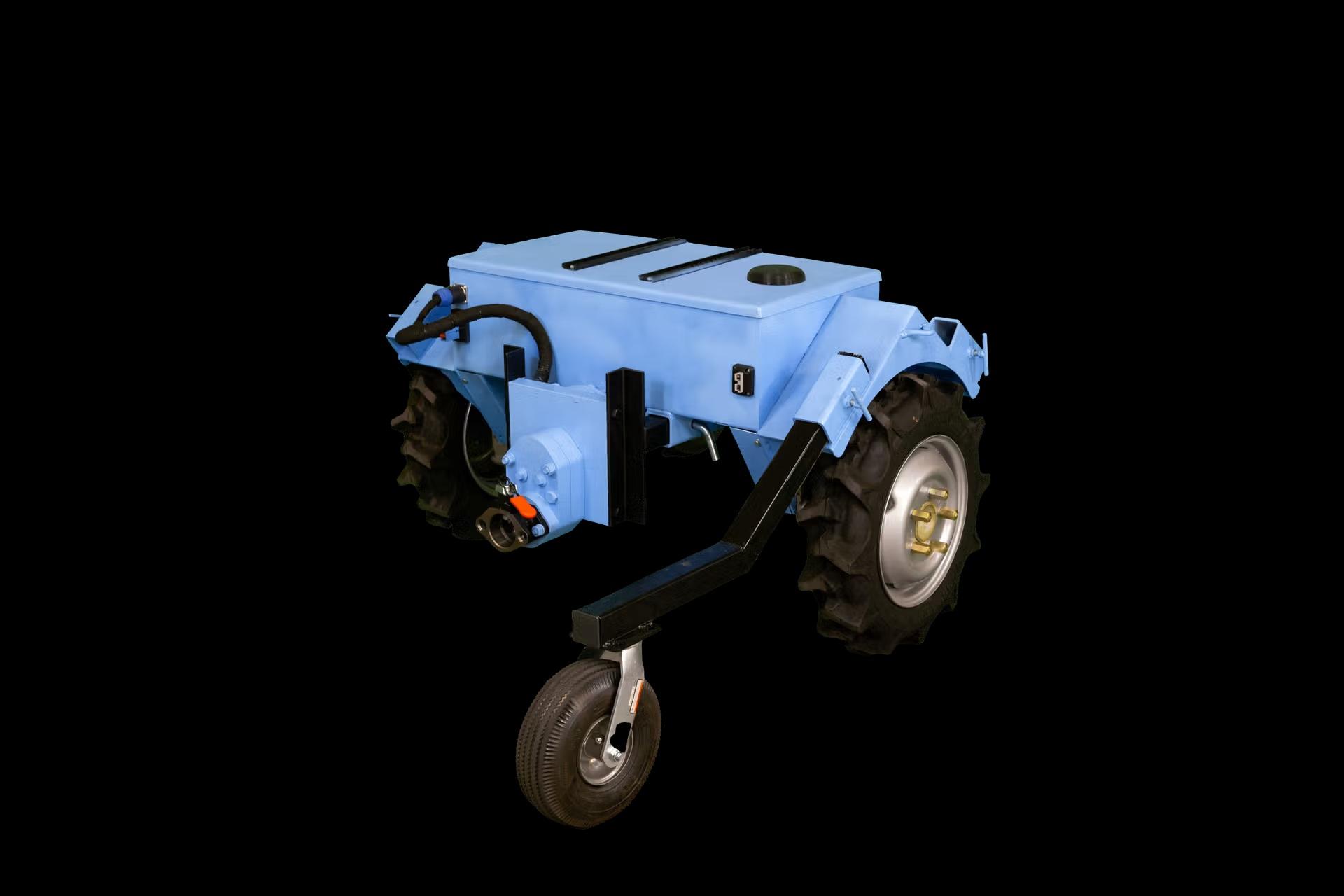
A solar tractor is a farming vehicle powered by electric motors and rechargeable batteries that can be charged using solar energy. Some models include built-in solar panels, while others rely on solar charging stations connected to renewable energy systems.
These tractors are designed to perform common agricultural tasks such as plowing, planting, hauling, mowing, and cultivating crops while reducing dependence on fossil fuels.
Benefits of Solar Tractors
Reduced Fuel Costs
Traditional tractors rely on diesel fuel, which can be expensive and difficult to manage during fuel price increases. Solar tractors reduce or eliminate fuel expenses by using renewable solar energy.
Environmentally Friendly
One of the biggest advantages of a solar tractor is the reduction of carbon emissions. This supports cleaner farming practices and helps protect the environment.
Lower Maintenance Costs
Electric-powered systems generally have fewer moving parts than diesel engines, resulting in lower maintenance and repair expenses.
Quiet Operation
Solar tractors operate more quietly than conventional tractors, improving comfort for operators and reducing noise pollution in farming communities.
Applications of Solar Tractors
Crop Farming
Solar tractors can perform tasks such as tilling, planting, spraying, and transporting materials on farms.
Vineyard and Orchard Operations
Compact solar tractors are ideal for vineyards and orchards where quiet and efficient machinery is important.
Greenhouse Farming
Because they produce no exhaust emissions, solar tractors are suitable for indoor agricultural environments.
Landscaping and Grounds Maintenance
Many landscaping companies use electric and solar-powered machinery for mowing and maintenance tasks.
These versatile applications make the solar tractor a valuable innovation in sustainable agriculture.
Key Features of Modern Solar Tractors
Solar Charging Systems
Solar panels or solar charging stations provide renewable energy for battery charging.
Rechargeable Battery Technology
Advanced battery systems store energy efficiently and support long operating hours.
Smart Farming Technology
Many solar tractors include GPS guidance, digital controls, and automated farming systems.
Efficient Power Delivery
Electric motors provide instant torque, improving performance during heavy farming tasks.
These advanced features make the solar tractor an attractive solution for modern farmers.
Challenges of Solar Tractor Technology
Higher Initial Investment
Solar tractors often cost more upfront because of advanced battery and solar technology.
Weather Dependence
Solar charging efficiency can be affected by cloudy weather or limited sunlight.
Charging Infrastructure
Some rural areas may lack proper solar charging facilities or electrical infrastructure.
Battery Limitations
Battery range and charging time may still limit extended operations for large farms.
Although challenges remain, technology improvements continue to make solar tractors more practical and efficient.
Why Farmers Are Interested in Solar Tractors
Farmers are increasingly adopting renewable energy solutions to reduce operational costs and improve sustainability. A solar tractor allows agricultural businesses to lower fuel expenses while reducing environmental impact.
Government incentives and global interest in green energy are also encouraging investment in solar-powered farming equipment.
The Future of Solar Tractors
The future of agriculture is moving toward automation, renewable energy, and environmentally friendly equipment. Manufacturers are investing in better solar panels, stronger batteries, and smart farming systems that improve tractor efficiency.
As renewable energy technology continues to advance, the solar tractor is expected to become more affordable and widely available for farms of all sizes.
Tips for Choosing a Solar Tractor
Evaluate Farm Requirements
Choose a tractor with enough battery capacity and power for your daily farming operations.
Check Solar Charging Options
Understand how the tractor charges and whether solar infrastructure is available.
Compare Maintenance Needs
Electric tractors typically require less maintenance, but battery care is still important.
Research Manufacturer Support
Reliable service, warranty coverage, and technical support are essential when purchasing advanced equipment.
Selecting the right solar tractor can improve productivity, sustainability, and long-term cost savings.
The solar tractor represents a major advancement in sustainable farming technology. By combining renewable solar energy with electric power systems, these tractors help farmers reduce fuel costs, lower emissions, and improve operational efficiency.
Although challenges such as charging infrastructure and upfront costs still exist, ongoing technological advancements are making solar tractors more practical every year. As agriculture continues to focus on sustainability and innovation, the solar tractor is expected to play an important role in the future of farming.


 English