
Overcoming Technical Challenges in Micro OLED Integration: A Guide
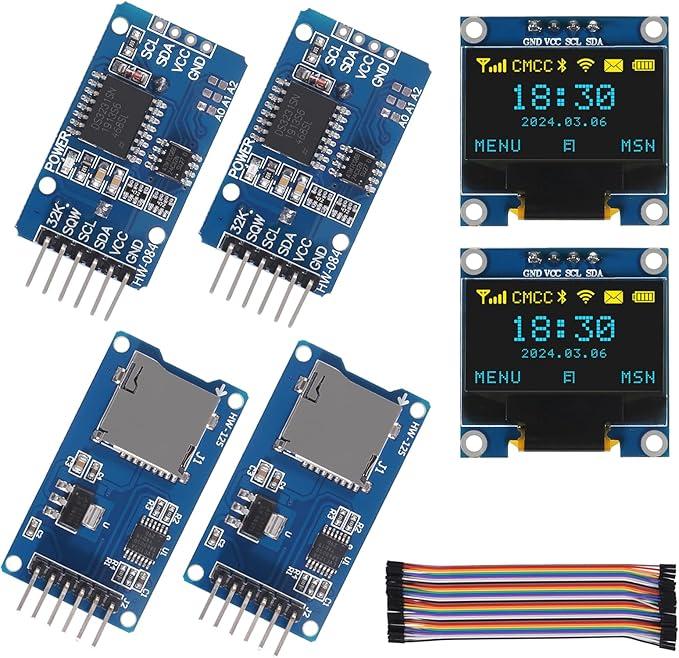
Integrating Micro OLED displays into high-performance optical systems involves more than just plugging in a high-resolution screen. As a B2B manufacturer, we understand that achieving seamless visual performance requires solving specific technical bottlenecks. From managing thermal drift to ensuring precise optical alignment, the integration process is where the quality of the final product is decided. This article explores the core challenges and professional solutions for successful micro-display implementation.
Thermal Management and Heat Dissipation
One of the most significant hurdles in Micro OLED integration is heat. Because these displays pack millions of pixels into a tiny footprint, they generate localized heat that can impact performance. Excessive temperature causes wavelength shifts and reduces the lifespan of the organic layers. Engineers must implement efficient heat sinking and thermal interface materials (TIMs) within the housing to maintain a stable operating temperature. Proper thermal management ensures that the display remains bright and color-accurate during extended use in the field.
Optical Alignment and Convergence
In AR/VR and tactical sighting applications, the alignment between the Micro OLED panel and the optical lens system must be perfect. Even a micron-level deviation can lead to parallax errors, blurry edges, or eye strain for the user. High-precision mounting frames and active alignment processes are essential during assembly. By focusing on mechanical tolerances and using advanced optical bonding techniques, manufacturers can achieve the sharp, edge-to-edge clarity required for professional-grade near-eye displays and electronic viewfinders.
Power Efficiency and Driver Optimization
For portable devices, battery life is a critical KPI. Micro OLEDs are inherently efficient because they are self-emissive, but the driving circuitry can still consume significant power. Optimizing the MIPI or RGB interface protocols and selecting low-power driver ICs is vital. Reducing the system-wide power draw allows for smaller battery packs, which leads to lighter and more ergonomic wearable hardware. Effective integration balances high-brightness output with intelligent power-saving modes to meet the demands of modern B2B applications.
Conclusion
Successful Micro OLED integration requires a deep understanding of thermal, mechanical, and electronic variables. By addressing these technical challenges early in the design phase, you can deliver superior optical products.
As a leading manufacturer of high-precision Micro OLED displays and optical modules, ARVR Optical provides custom B2B solutions tailored to your technical specifications and high-performance industry requirements. Visit arvroptical.com today.

 English