
Insights Into Player Psychology During High Pressure Moments in Casino Gambling Competitive Environments
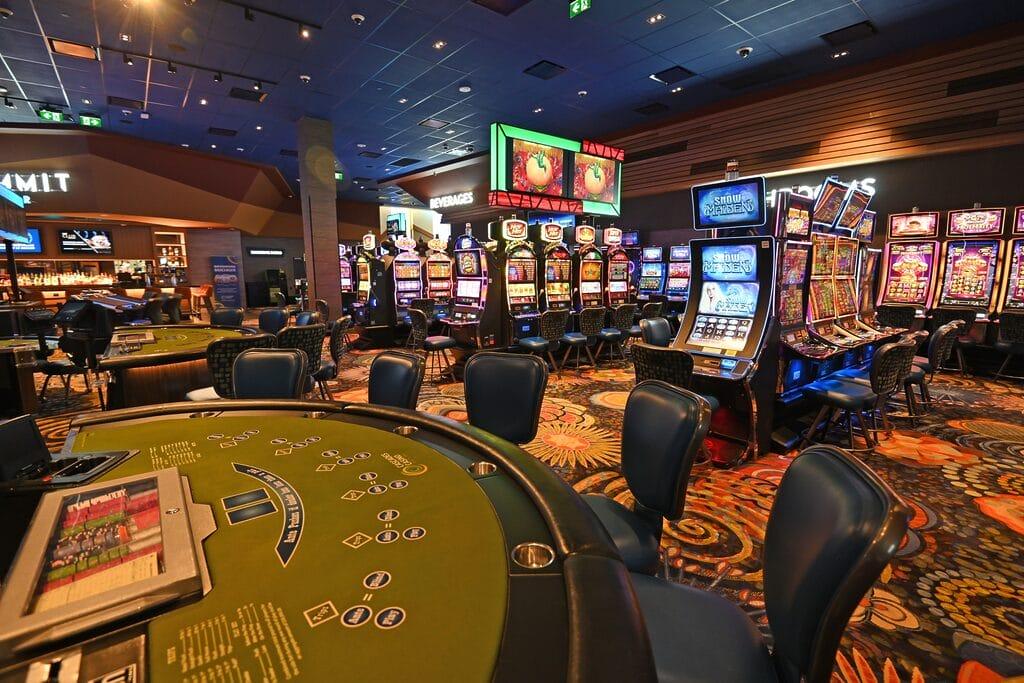
In casino gambling environments, especially in competitive settings like poker tables, live dealer games, or high-stakes rooms, players often face intense psychological pressure. These moments can influence decision-making, emotional control, and risk evaluation. Understanding player psychology in such situations helps explain why even experienced individuals sometimes make unexpected choices under stress.
When a player enters a high-pressure gambling environment, the brain immediately begins processing emotional and financial risk. The possibility of winning large rewards or suffering significant losses creates a strong emotional response. This response activates stress hormones like adrenaline, which can either sharpen focus or cause mental overload. Some players become more alert and strategic, while others may act impulsively without fully thinking through the consequences.
One of the most common psychological effects in these environments is “loss aversion.” This means that players often feel the pain of losing more strongly than the pleasure of winning. Under pressure, this feeling becomes stronger, and it can lead players to make irrational decisions, such as chasing losses or increasing bets in hopes of recovering quickly. In competitive casino settings, this behavior is often triggered by the fear of falling behind other players.
Another important factor is “tilt,” a term used to describe emotional frustration that affects judgment. Tilt usually happens after a bad loss or a series of unlucky outcomes. Once a player is on tilt, their decision-making becomes less logical and more emotional. They may abandon their strategy and take unnecessary risks. In high-pressure environments, tilt can spread quickly because players constantly compare themselves to others at the table.
Social pressure also plays a major role in shaping behavior. In competitive casino rooms, players are not only focused on the game but also on how they are perceived by others. This can lead to overconfidence or hesitation. Some players try to appear bold and fearless, even when they are uncertain, while others become overly cautious. The presence of experienced or high-profile players increases this pressure even more.
Time pressure is another psychological challenge. Many casino games require quick decisions, leaving little time for deep analysis. Under these conditions, the brain often relies on shortcuts or intuition instead of careful reasoning. While experienced players may benefit from instinct built over time, less experienced individuals may misinterpret signals and make poor choices.
In some online and regional gambling ecosystems such as bandar togel online, psychological pressure can feel even more intense because players often engage repeatedly over short periods. The constant cycle of anticipation and result creates emotional highs and lows that can affect judgment and self-control.
Another key psychological element is “risk perception.” In high-pressure gambling environments, players often misjudge probabilities. When someone is emotionally invested in a game, they may believe they are more likely to win than statistics actually suggest. This illusion of control can lead to overly aggressive strategies and increased financial exposure.
Confidence also fluctuates heavily in these settings. A few early wins can create overconfidence, leading players to take bigger risks. On the other hand, early losses can damage confidence and make players overly defensive. Both extremes can disrupt balanced decision-making, which is essential for consistent performance in competitive gambling environments.
Finally, fatigue and mental exhaustion significantly impact player psychology. Long sessions at casino tables reduce concentration and increase emotional sensitivity. As fatigue builds, players become more likely to rely on emotion rather than logic. This is why many experienced players take breaks or limit session time to maintain mental clarity.
In conclusion, high-pressure casino gambling environments create a complex mix of emotional, cognitive, and social influences. Players constantly navigate stress, competition, and uncertainty, all of which shape their decisions. Understanding these psychological factors does not eliminate risk, but it provides deeper insight into why people behave the way they do under pressure.

 Turkish