
Understanding Antibiotic Resistance in Nigeria Impact Challenges & Solutions
Antibiotic resistance is one of the most serious health threats facing the world today and antibiotic resistance in Nigeria is no exception. Over the last decade Nigeria has seen a significant rise in resistant infections making once‑treatable illnesses harder to cure. This growing problem affects people of all ages spreads rapidly and places a heavy burden on the nation's healthcare system. By understanding the causes impacts and solutions for antibiotic resistance in Nigeria we can protect communities and save lives.
What Is Antibiotic Resistance?
Antibiotic resistance happens when bacteria evolve and develop the ability to survive drugs that once killed them. This means antibiotics no longer work effectively leading to prolonged illness complications and greater risk of death. In many cases bacteria become resistant not through natural evolution alone but through human behavior. Misuse overuse and inappropriate access to antibiotics are major drivers especially in countries like Nigeria where regulation and awareness may be limited.
Why Antibiotic Resistance Is a Growing Problem in Nigeria
Antibiotic resistance in Nigeria has been fueled by several interconnected factors. One of the biggest issues is the easy access to antibiotics without prescriptions. Many people can buy powerful medicines directly from pharmacies or markets without proper medical guidance. While this might seem convenient it often leads to incorrect doses incomplete treatment courses and unnecessary use even for viral infections that antibiotics cannot treat.
Another major challenge is counterfeit and substandard medicines. In Nigeria weak regulation makes it easier for fake drugs to enter the market. These drugs may contain too little active ingredient making them ineffective and allowing bacteria to survive and adapt. When bacteria survive antibiotic exposure they become stronger and harder to treat over time a key factor in antibiotic resistance in Nigeria.
Impact on Healthcare Outcomes
The consequences of antibiotic resistance in Nigeria are wide‑ranging and serious. Healthcare outcomes suffer at many levels:
Increased Illness and Mortality
When bacteria no longer respond to common antibiotics infections last longer become more severe and are harder to control. Simple conditions like urinary tract infections or pneumonia can escalate to life‑threatening emergencies. In hospitals resistant infections often lead to higher mortality rates especially among the elderly children and immune‑compromised patients.
Higher Healthcare Costs
Treating resistant infections is expensive. Patients are often hospitalized longer and require stronger more costly antibiotics. In a resource‑limited healthcare system like Nigeria’s this places tremendous financial pressure on families and medical facilities alike. Many patients may be forced to pay out‑of‑pocket costs pushing vulnerable households further into poverty.
Strain on Healthcare Facilities
Hospitals and clinics in Nigeria already face challenges such as overcrowding limited infrastructure and shortages of trained staff. Antibiotic resistance in Nigeria adds another layer of complexity increasing the workload of healthcare professionals and stretching resources even thinner. When standard treatments fail doctors must rely on limited alternative medicines that may not be readily available.
Root Causes Behind the Resistance
Understanding what drives antibiotic resistance in Nigeria helps us target solutions more effectively.
Misuse of Antibiotics
Many Nigerians take antibiotics for viral infections like the common cold or flu conditions that antibiotics cannot treat. Without clear understanding patients may stop treatment early once symptoms improve giving bacteria a chance to survive and adapt.
Poor Sanitation and Hygiene
Inadequate water sanitation and hygiene contribute to the spread of infectious disease. Communities with recurring infections rely more on antibiotics increasing exposure and accelerating resistance development. Improving sanitation would reduce infection rates and decrease unnecessary use of antibiotics.
Weak Regulatory Systems
Effective antibiotic stewardship requires strong regulation. In Nigeria gaps in policy enforcement allow unregulated sale and distribution of antibiotics. Without proper oversight antibiotics can be misused at scale driving resistance.
Lack of Public Awareness
Public understanding of antibiotic resistance remains limited in many areas. People may not realize the long‑term dangers of misuse or recognize the importance of completing a full course of treatment. Education is essential in shifting behavior and reducing misuse.
Steps Being Taken to Fight Resistance
The Nigerian government health institutions and international partners are working together to address antibiotic resistance in Nigeria. These efforts aim to strengthen healthcare systems improve surveillance and educate both providers and the public.
National Action Plans
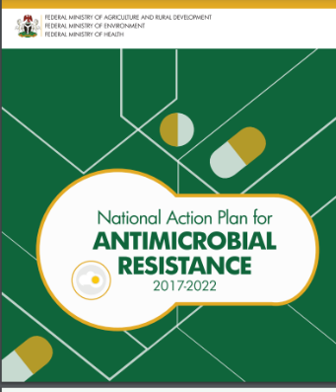
Nigeria has adopted a National Action Plan to combat antibiotic resistance which focuses on improving surveillance regulating medicines and promoting rational antibiotic use. By partnering with global organizations Nigeria leverages expertise and funding to build sustainable solutions.
Enhanced Surveillance
Tracking resistance patterns helps medical professionals make better treatment decisions. Through improved laboratory capacity hospitals can identify resistant strains more quickly and accurately leading to more targeted use of antibiotics.
Public Education Campaigns
Awareness campaigns in communities schools and media are helping people understand the dangers of misuse. When individuals know that antibiotics should only be used when prescribed and that they must complete full treatment courses the cycle of resistance slows.
Strengthening Regulations
Efforts to enforce prescription‑only sales of antibiotics help reduce access without medical oversight. Improved regulation ensures that antibiotics are used appropriately and that counterfeit or substandard drugs are removed from the supply chain.
Why Community Action Matters
Antibiotic resistance in Nigeria is not only a medical problem it’s a societal one. Families and communities play a vital role in curbing resistance. Simple actions like seeking qualified medical advice avoiding self‑medication and completing prescribed treatment courses can make a significant difference. Community understanding and support for antibiotic stewardship can reduce misuse and protect the effectiveness of life‑saving medications for future generations.
What Individuals Can Do
Here are practical steps every Nigerian can take to help fight antibiotic resistance:
-
Only use antibiotics when prescribed by a qualified healthcare provider.
-
Never demand antibiotics for viral infections like colds or flu.
-
Complete the full course of antibiotics as prescribed.
-
Do not share or save antibiotics for future use.
-
Practice good hygiene: wash hands regularly prepare food safely and maintain clean environments.
-
Support vaccination and preventive care to reduce the need for antibiotics.
Looking Ahead A Shared Responsibility
Addressing antibiotic resistance in Nigeria requires commitment from policymakers healthcare professionals communities and individuals alike. It demands strong policies better infrastructure ongoing education and responsible use of antibiotics. While progress has been made sustained effort is needed to protect public health and ensure effective treatment options remain available for generations to come.
Conclusion
Antibiotic resistance in Nigeria is real complex and evolving. It threatens healthcare outcomes increases medical costs and places strain on the healthcare system. But it is not an insurmountable challenge. By improving regulation raising awareness strengthening surveillance and championing responsible antibiotic use Nigeria can slow the tide of resistance and create a healthier future. Everyone has a role to play health workers policymakers communities and individuals. Together we can protect the power of antibiotics and safeguard the health of the nation.

 English