
Pet Weight Tracker: The Ultimate Guide to Keeping Your Pet Healthy and Fit
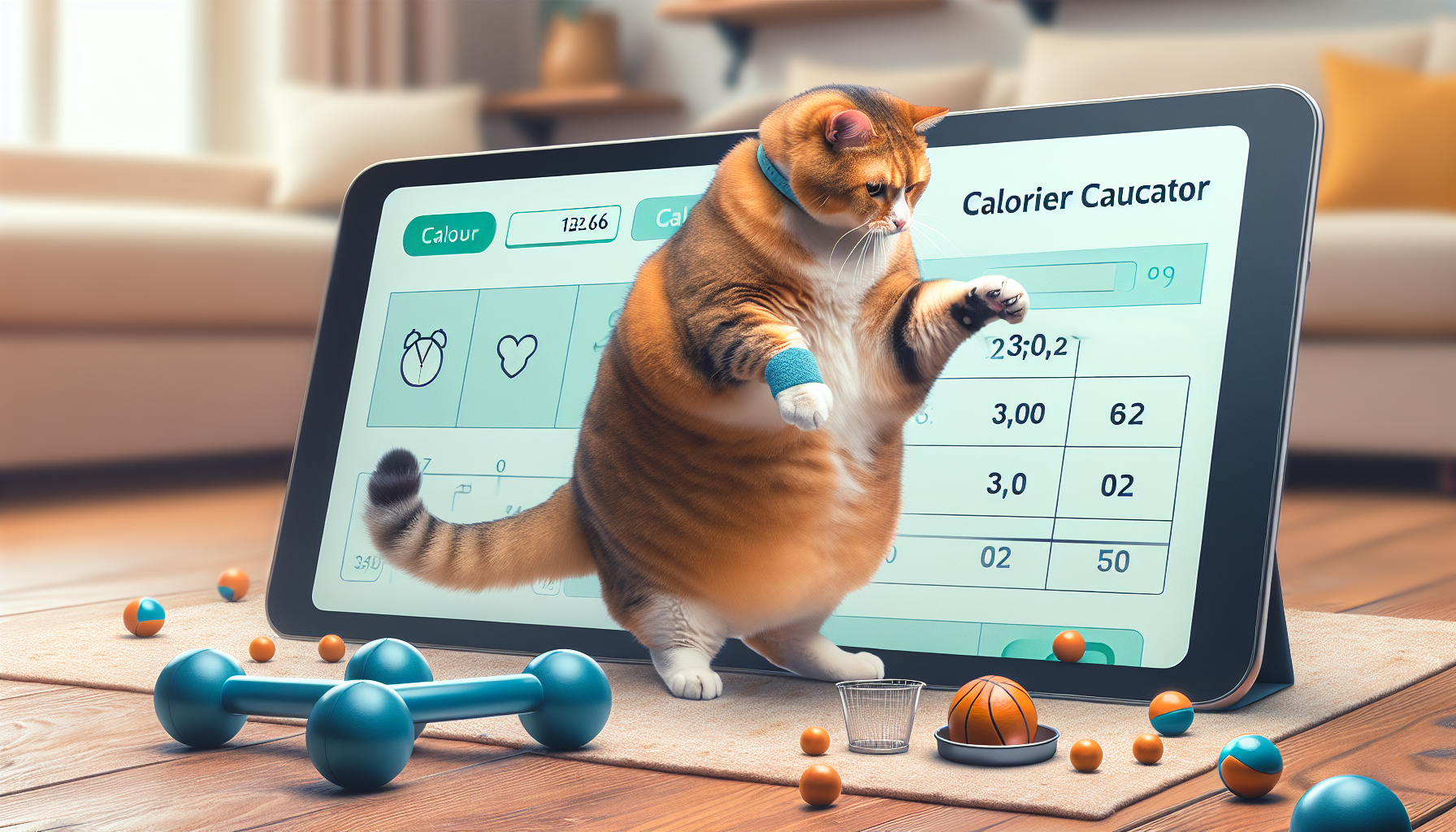
A pet weight trackeris a tool—either digital or manual—that helps you monitor your pet's weight over time. Think of it like a fitness app, but for your furry companion. Whether it's a simple notebook, a mobile app, or a smart device connected to your pet's feeding system, the goal is the same: track weight trends and maintain optimal health .
In today's world, where pets are treated like family members, keeping tabs on their health is no longer optional—it's essential. Weight is one of the most important indicators of a pet's well-being. Even small fluctuations can signal underlying health issues or lifestyle imbalances. A pet weight tracker allows you to spot these changes early and act before they become serious.
Modern trackers go beyond just numbers. Many apps now include features like diet logs, activity tracking, and visual charts. These tools transform raw data into meaningful insights, helping you make informed decisions about your pet's nutrition and exercise routine.
Why Every Pet Owner Needs One
You might be wondering, “Do I really need to track my pet's weight?” The short answer: yes, absolutely . Studies show that many pet owners underestimate their pet's weight problems. In fact, only about half of owners correctly identify whether their pet is overweight or not.
Without tracking, weight gain often happens gradually—so slowly that it goes unnoticed. By the time you realize your pet is overweight, it may already be affecting their health. A pet weight tracker acts like a health radar, constantly monitoring and alerting you to changes.
It also helps create accountability. When you log your pet’s meals, treats, and activity levels, you become more aware of their daily habits. This awareness naturally leads to better decisions, healthier routines, and ultimately, a happier pet.
The Growing Problem of Pet Obesity
Latest Statistics and Trends
Pet obesity is no longer a minor concern—it’s a global health crisis. According to recent industry reports, over 59% of dogs and 61% of cats are overweight or obese . That’s more than half of all pets.
Even more concerning, the pet obesity management market was valued at over $10.38 billion in 2024 and is expected to reach $14.5 billion by 2030 . This rapid growth reflects a rising awareness of the problem—but also highlights how widespread it has become.
The issue isn’t just limited to one region. Across the globe, sedentary lifestyles, overfeeding, and lack of awareness are contributing to this trend. As pets become more integrated into human lifestyles, they often adopt the same unhealthy habits.
Health Risks Associated with Overweight Pets
A few extra pounds might look cute, but they come with serious consequences. Overweight pets are at higher risk for:
- Diabetes
- Arthritis and joint problems
- Heart disease
- Reduced lifespan
These conditions not only affect your pet’s quality of life but can also lead to expensive veterinary bills. Imagine your pet struggling to climb stairs or play like they used to—it’s heartbreaking.
A pet weight tracker helps prevent these issues by keeping your pet within a healthy weight range. It’s like having a preventive healthcare system in your pocket.
How Pet Weight Trackers Work
Manual Tracking vs Smart Apps
There are two main types of pet weight trackers: manual methods and digital apps. Manual tracking involves recording your pet’s weight in a notebook or spreadsheet. While simple, it lacks visualization and automation.
Smart apps, on the other hand, offer a more advanced experience. They allow you to log weight, track trends, and even set goals. Some apps generate graphs that show your pet’s progress over time, making it easier to identify patterns.
Visualization plays a crucial role here. Research suggests that seeing weight trends in graph form helps owners recognize issues faster than raw numbers alone .
Integration with Vet Data
The next evolution in pet weight tracking is integration with veterinary data. Some apps now allow you to share your pet’s weight history with your vet, enabling more accurate diagnoses and treatment plans.
However, many current apps still operate in isolation, lacking deep integration with clinical systems . This gap presents an opportunity for future innovation.
Imagine a system where your pet’s weight data automatically syncs with your vet’s records. It would revolutionize pet healthcare, making it more proactive and personalized.
Key Features of a Good Pet Weight Tracker
Weight Logging and Graphs
At its core, a pet weight tracker should allow you to log weight easily and visualize it clearly. Graphs are especially important because they turn data into insights. A steady upward trend might indicate overfeeding, while sudden drops could signal illness.
Diet and Exercise Monitoring
A good tracker doesn’t stop at weight. It also tracks:
- Food intake
- Treats
- Exercise levels
This holistic approach helps you understand the “why” behind weight changes.
Alerts and Notifications
Smart reminders can make a huge difference. Whether it’s a notification to weigh your pet or adjust their diet, these alerts keep you consistent and proactive.
Benefits of Using a Pet Weight Tracker
Early Disease Detection
One of the biggest advantages of tracking your pet’s weight is early detection of health issues. Sudden weight loss, for example, can indicate serious conditions like kidney disease or cancer.
Many pet owners have discovered health problems early thanks to consistent tracking. It’s like having a built-in warning system.
Improved Lifespan and Quality of Life
Maintaining a healthy weight can significantly extend your pet’s life. More importantly, it improves their quality of life. A fit pet is more active, playful, and ბედ—just like they’re meant to be.
Best Pet Weight Tracker Apps in 2026
Popular Apps Overview
Some popular options include:
- Pet health tracking apps with weight logging features
- Vet-integrated platforms
- Simple standalone weight trackers
For example, apps like “Pet Weight Tracker” allow users to log weight, share data with others, and monitor trends over time .
Comparison Table
| App Name | Key Features | Best For | Price |
|---|---|---|---|
| Pet Weight Tracker | Weight logs, sharing, simple UI | Beginners | Free |
| PetDialog | Vet integration, detailed tracking | Advanced users | Free |
| PupTox | Goal tracking, graphs | Dog owners | Paid |
How to Choose the Right Tracker
Based on Pet Type
Different pets have different needs. A dog owner might need activity tracking, while a cat owner may focus more on weight and diet.
Based on Budget and Features
Some apps are free, while others offer premium features. Choose one that fits your needs without overcomplicating things.
How to Track Your Pet’s Weight Effectively
Step-by-Step Guide
- Weigh your pet regularly (weekly or bi-weekly)
- Log the data consistently
- Monitor trends over time
- Adjust diet and exercise accordingly
Common Mistakes to Avoid
- Inconsistent tracking
- Ignoring small changes
- Overfeeding treats
Role of Veterinarians in Weight Tracking
Collaborative Care Approach
Your vet plays a crucial role in your pet's weight management journey. By sharing tracking data, you enable more accurate diagnoses and personalized care plans.
Future of Pet Weight Tracking Technology
AI, Wearables, and Smart Devices
The future looks exciting. Imagine smart collars that track activity, AI-powered apps that suggest diets, and devices that automatically log weight.
Technology is turning pet care into a data-driven science , making it easier than ever to keep your pet healthy.
Conclusion
A pet weight tracker isn't just a tool—it's a commitment to your pet's health and happiness. With obesity affecting a majority of pets worldwide, tracking weight has become more important than ever. By staying consistent and using the right tools, you can ensure your furry friend lives a long, active, and joyful life.
FAQs
1. How often should I weigh my pet?
Ideally, once a week or at least twice a month to monitor trends accurately.
2. Are pet weight tracker apps reliable?
Yes, especially when used consistently. They provide valuable insights and help detect changes early.
3. Can I use a human scale for my pet?
Yes, but for accuracy, use a pet scale or weigh yourself with and without your pet.
4. What is a healthy weight for my pet?
It depends on breed, age, and size. Consult your vet for specific guidelines.
5. Do pet weight trackers replace vet visits?
No, they complement veterinary care by providing useful data.

 English