
Common Mistakes to Avoid While Using a Reamer Tool in Machining
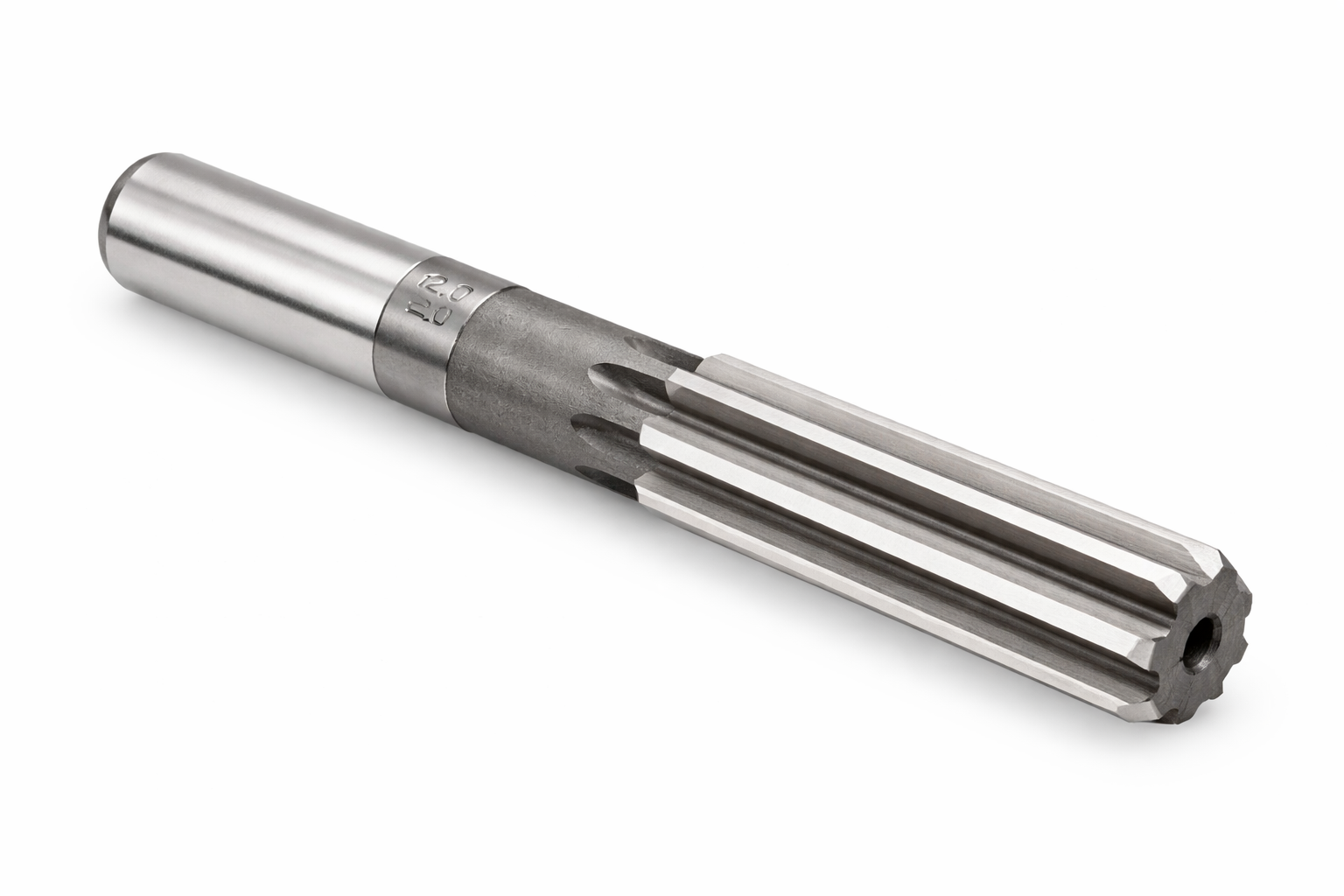
Common Mistakes to Avoid While Using a Reamer Tool
Introduction
A reamer tool is an essential cutting instrument used in machining to finish holes with high precision and smooth surfaces. While drilling creates the initial hole, a reamer tool ensures the hole reaches the exact diameter and finish required for engineering applications. Industries such as automotive, aerospace, manufacturing, and metalworking rely heavily on reaming processes to achieve tight tolerances.
However, many machinists and beginners make common mistakes when using a reamer tool. These mistakes can lead to poor surface finish, inaccurate hole size, tool damage, or reduced tool life. Understanding these errors and learning how to avoid them can significantly improve machining quality and efficiency. In this blog, we will explore the most common mistakes to avoid while using a reamer tool and how to ensure better results.
What is a Reamer Tool?
A reamer tool is a precision cutting tool designed to enlarge and finish drilled holes to accurate sizes. It removes a small amount of material to produce smooth and perfectly sized holes. Reamer tools are commonly available in different types, such as hand reamers, machine reamers, adjustable reamers, and chucking reamers.
Using the right reamer tool correctly helps achieve better dimensional accuracy and surface quality in machining operations.
Common Mistakes to Avoid While Using a Reamer Tool
1. Using the Wrong Hole Size Before Reaming
One of the most common mistakes is drilling the hole to the incorrect size before using a reamer tool. If the hole is too small, the reamer will remove too much material, causing excessive wear. If the hole is too large, the reamer will not cut effectively.
Solution:
Always drill the hole slightly smaller than the final required size. Typically, leave about 0.2 mm to 0.5 mm of material for the reamer tool to remove.
2. Incorrect Speed and Feed Rate
Using the wrong speed and feed rate can damage the reamer tool and produce poor results. High speeds may cause overheating, while low speeds may create rough surfaces.
Solution:
Always follow recommended cutting speeds based on the material and type of reamer tool. Machine reamers generally require slower speeds than drilling operations.
3. Lack of Proper Lubrication
Reaming generates heat and friction. Without proper lubrication, the reamer tool may wear quickly, produce poor finishes, and even break during operation.
Solution:
Use the appropriate cutting fluid or lubricant during reaming to reduce friction and improve surface finish.
4. Using a Worn-Out Reamer Tool
A dull or worn reamer tool can lead to oversized holes, rough finishes, and inconsistent machining results.
Solution:
Regularly inspect the tool edges and replace worn reamers when necessary. Sharp tools ensure accurate and smooth hole finishing.
5. Misalignment of the Tool
Misalignment between the hole and the reamer tool is another common problem. This may result in uneven cutting, chatter, and inaccurate hole dimensions.
Solution:
Ensure proper alignment between the workpiece, machine spindle, and reamer tool before starting the operation.
6. Reaming Without Proper Hole Preparation
Sometimes machinists try to use a reamer tool directly without proper drilling or boring beforehand. This reduces the effectiveness of the reaming process.
Solution:
Always prepare the hole using drilling or boring before reaming. The reamer tool is meant for finishing, not for heavy material removal.
7. Pulling the Reamer Back Too Quickly
Removing the reamer tool too quickly from the hole can scratch the surface or damage the cutting edges.
Solution:
Withdraw the tool slowly and carefully after the reaming operation is complete.
8. Using the Wrong Type of Reamer Tool
Different applications require different types of reamer tools. Using the wrong type may lead to poor machining results.
Common types include:
-
Hand reamer tool
-
Machine reamer tool
-
Adjustable reamer tool
-
Chucking reamer tool
Solution:
Choose the correct reamer tool based on the material, hole size, and machining process.
Tips for Better Reaming Performance
To achieve the best results while using a reamer tool, follow these best practices:
-
Always drill the correct pre-hole size.
-
Maintain proper cutting speed and feed rate.
-
Use a suitable cutting fluid or lubricant.
-
Ensure proper tool alignment.
-
Use high-quality reamer tools for better durability.
-
Inspect tools regularly for wear and damage.
Following these simple tips can greatly improve hole accuracy and extend the life of your reamer tool.
Applications of Reamer Tools
A reamer tool is widely used in many industries where precision hole finishing is required. Some common applications include:
-
Automotive component manufacturing
-
Aerospace engineering
-
Precision machining workshops
-
Tool and die making
-
Metal fabrication industries
In these industries, accurate hole dimensions are critical for assembling mechanical parts.
FAQs About Reamer Tool
1. What is the main purpose of a reamer tool?
A reamer tool is used to finish drilled holes to a precise diameter and smooth surface quality in machining applications.
2. Can a reamer tool make a hole from scratch?
No. A reamer tool is designed for finishing holes, not for creating them. Drilling must be done before reaming.
3. How much material should a reamer tool remove?
A reamer tool usually removes a small amount of material, typically around 0.2 mm to 0.5 mm.
4. Why is lubrication important when using a reamer tool?
Lubrication reduces friction, prevents overheating, improves surface finish, and increases the life of the reamer tool.
5. What happens if a worn reamer tool is used?
Using a worn reamer tool can result in oversized holes, poor surface finish, and reduced machining accuracy.
Conclusion
Avoiding common mistakes while using a reamer tool is essential for achieving precise hole finishing and maintaining tool life. Proper hole preparation, correct speed, lubrication, and alignment play a key role in ensuring successful machining operations.
At Buyohlic, we provide high-quality precision tools designed to deliver accuracy, durability, and superior machining performance. Our range of professional-grade reamer tools is trusted by machinists and manufacturers who demand reliable and consistent results. Choosing the right tools from Buyohlic helps improve productivity and ensures the highest standards in metalworking and engineering applications.

 English