
Viking Axe Construction: Materials, Forging Techniques, and Design
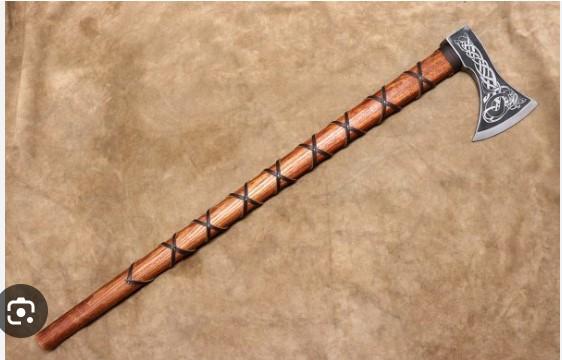
The Viking axe was not only a weapon of war but also a finely crafted tool shaped by practicality, available resources, and skilled craftsmanship. Its construction reflects the advanced metalworking knowledge of the Viking Age and the need for durable, efficient tools suited to both daily life and combat. By examining the materials, forging techniques, and design of Viking axe, we gain insight into the technological and cultural world of the Vikings.
Materials Used in Viking Axes
Iron was the primary material used in the construction of Viking axes. Scandinavia lacked large deposits of high-quality iron ore, so much of the iron came from bog ore—a renewable resource extracted from wetlands. Although bog iron was relatively impure, Viking smiths learned to work with it effectively, refining it through repeated heating and hammering.
Steel, which contains more carbon than iron, was rarer and more valuable. To make the best use of limited resources, axe blades were often constructed using a combination of materials. A soft iron body provided flexibility and shock absorption, while a hardened steel edge was forge-welded onto the blade. This technique produced an axe that was both durable and capable of holding a sharp edge.
Handles were typically made from strong, flexible woods such as ash or birch. These materials could absorb impact and resist breaking, making them ideal for repeated heavy use.
Forging Techniques and Craftsmanship
Viking blacksmiths were highly skilled artisans. Axe production began by heating iron in a charcoal forge until it became malleable. The metal was then shaped using hammers and anvils, with careful attention paid to balance and weight distribution.
One of the most important techniques was forge welding, in which pieces of iron and steel were heated and hammered together to form a single blade. This allowed smiths to conserve steel while maximizing performance. After shaping, the blade edge was hardened through quenching—rapid cooling in water or oil—followed by tempering to reduce brittleness.
The socket or eye of the axe, where the handle was fitted, was carefully formed to ensure a tight, secure fit. A poorly made eye could loosen during use, making Norse axe dangerous or ineffective.
Design and Functional Features
Viking axe design emphasized efficiency and versatility. Blades were often thin and wide, allowing for powerful cuts without excessive weight. This design made axes effective against both wood and armor.
Many axes featured asymmetrical shapes, particularly in bearded axes, where the lower edge extended downward. This design increased the cutting edge and allowed for greater control during woodworking or combat. Long handles provided reach and leverage, while shorter handles offered speed and maneuverability.
Decoration varied depending on the owner’s status. Most axes were plain and functional, but some featured engraved patterns, inlaid metals, or carefully polished surfaces, especially those belonging to wealthy warriors or leaders.
Balance Between Tool and Weapon
A defining feature of Viking axe construction was the balance between tool and weapon. The same principles that made an axe effective for chopping wood—sharpness, balance, and durability—also made it deadly in battle. This dual-purpose nature reflects the Viking lifestyle, where survival, labor, and warfare were closely connected.
Conclusion
Viking axes were the result of intelligent design, resourceful use of materials, and advanced forging techniques. Through the combination of iron and steel, skilled craftsmanship, and practical design, Viking blacksmiths created tools and weapons that were reliable, versatile, and enduring. The construction of the Viking axe for sale stands as a testament to the ingenuity and resilience of Viking Age society.

 English