
Comparing Design Options Through Architectural Scale Models
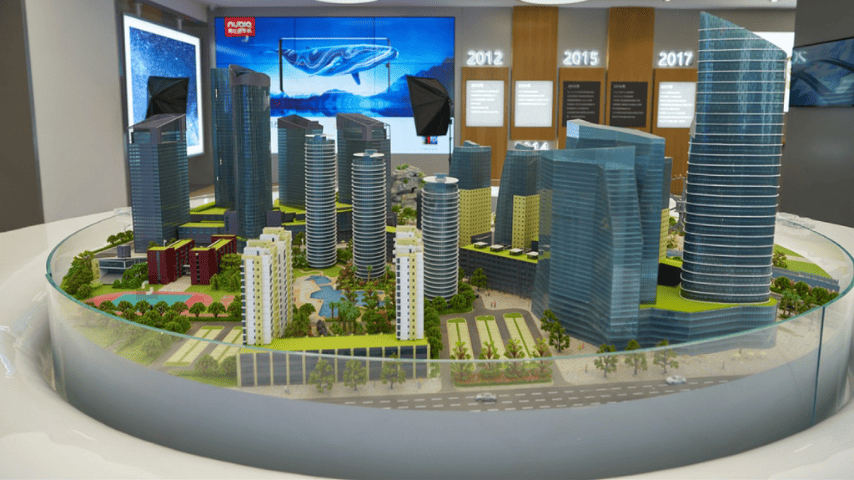
Architectural projects often go through several design stages before reaching the final concept. During these stages, architects and developers usually explore different ideas related to building shape, facade style, layout, and site organization. Each design option may offer unique advantages in terms of aesthetics, functionality, or cost.
However, evaluating these alternatives through drawings and digital images alone can sometimes be challenging. Stakeholders may find it difficult to visualize how each concept will appear in real space. Physical models provide a practical solution to this challenge. Through architectural scale model making, designers can present multiple design concepts in a clear and tangible format. This approach helps project teams study each option carefully and determine which design performs best for the project goals.
Creating Tangible Representations of Design Concepts
One of the main benefits of scale models is that they transform architectural ideas into physical objects that people can easily understand. When multiple design options are built as models, they allow architects to present each concept in a realistic and consistent manner. Instead of relying on flat drawings, stakeholders can observe three-dimensional forms from different angles.
They can see how building volumes interact with the site and how design elements contribute to the overall appearance. A professional architectural scale model making service helps create precise models that represent each design option accurately. When these models are placed side by side, comparisons become much easier. Stakeholders can visually identify which design option has better proportions, stronger visual impact, or improved spatial organization.
Improving Visual Clarity for Decision Makers
Not all decision makers involved in a construction project have technical knowledge of architecture. Investors, marketing teams, and project managers may struggle to interpret architectural plans or digital models. Physical models simplify this process by presenting design ideas in a way that anyone can understand. When stakeholders look at different model versions of a project, they can quickly recognize how each design option differs from the others.
For example, one model may emphasize vertical architectural elements while another may focus on horizontal layers. Seeing these differences in a physical format helps people make more confident decisions. With the support of an architectural scale model making service, each design option can be crafted with consistent quality so that comparisons remain fair and accurate.
Evaluating Building Massing and Spatial Relationships
Another important factor when comparing design options is building massing. Massing refers to the overall shape and volume of a structure. Small changes in massing can greatly affect how a building fits within its site and surrounding environment. Physical models help architects study these variations in a more realistic way.
By observing multiple models, designers can examine how different building heights, setbacks, or shapes influence the visual balance of the project. Scale models also make it easier to evaluate how open spaces, courtyards, or pathways interact with the main structure. When multiple massing options are represented physically, project teams can quickly identify which design provides the best spatial harmony.
Testing Facade Styles and Architectural Character
Different design options often involve variations in facade style and architectural identity. One concept might use modern glass surfaces while another may incorporate textured materials or layered panels. Viewing these alternatives through digital renderings can provide some understanding, but physical models offer a more convincing representation.
Model makers can simulate facade patterns, window placements, and structural details in a scaled form. These features allow architects and clients to see how each facade style contributes to the building’s overall character. By comparing models directly, the project team can decide which architectural expression aligns best with the project vision and surrounding environment.
Analyzing Site Integration and Urban Context
Buildings must respond to their surroundings. A design that looks attractive on its own might not integrate well with nearby structures or landscape elements. Scale models that include the surrounding site context help architects evaluate how different design options interact with their environment.
When multiple models are placed within a site model, designers can observe how each building arrangement influences views, street presence, and open spaces. This approach helps determine which option fits best within the urban fabric. Physical models also allow planners to study pedestrian movement, access points, and landscape connections more effectively.
Supporting Collaborative Design Discussions
Architecture is often a collaborative process involving architects, engineers, planners, and developers. Comparing design options becomes easier when everyone can gather around a physical model. These models act as a shared reference point during discussions. Team members can point to specific areas of the model and discuss possible improvements.
For example, they may suggest adjusting the building height, modifying the facade pattern, or expanding outdoor spaces. Such discussions become more productive because everyone is looking at the same visual representation. Physical models encourage open communication and help the design team reach consensus faster.
Allowing Flexible Design Modifications
Scale models also support experimentation during the design process. In many cases, parts of the model can be adjusted or replaced to test new ideas. For instance, architects may change the shape of a roof structure or modify the arrangement of building volumes.
This flexibility allows designers to explore improvements without starting the design process from the beginning. When multiple design options are available as models, it becomes easier to refine them and develop a stronger final concept.
Conclusion
Comparing multiple design options is a critical step in architectural development. The ability to evaluate different ideas clearly helps architects and stakeholders select the most suitable concept for the project. Physical models play an important role in this evaluation process. They provide clear three-dimensional representations that improve understanding of building form, facade style, and spatial relationships.
By presenting design alternatives in a tangible format, scale models simplify complex architectural decisions. They also encourage collaboration and allow design teams to explore creative possibilities more effectively. Through architectural scale model making, project teams gain valuable insights that guide them toward a well-balanced and successful architectural solution.

 English