
What Are the Symptoms of Parasitic Worm Infections?
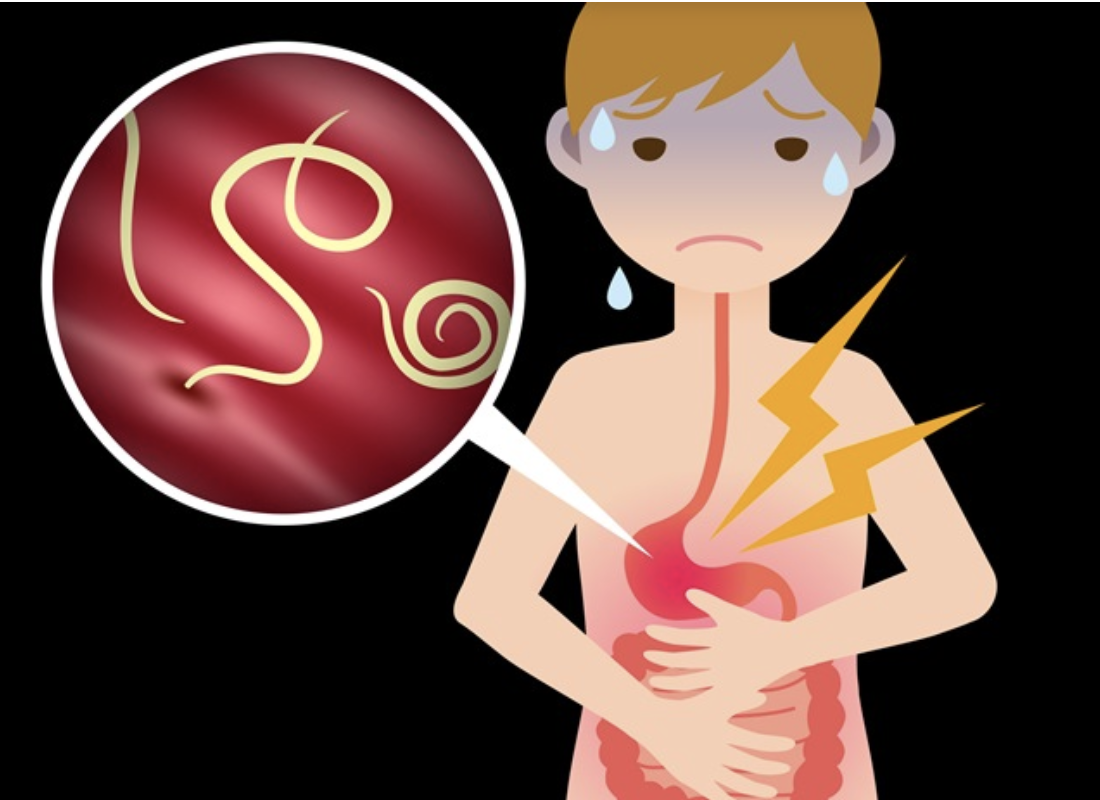
Parasitic worm infections also known as helminth infections are caused by multicellular organisms that live in or on the human body. These parasites can inhabit the intestines, blood, lymphatic system, liver, lungs, muscles, or even the brain. Infection severity ranges from mild and asymptomatic to life-threatening, depending on the species, parasite burden, and host immune response.
Below is a comprehensive, clinically structured overview of the symptoms associated with parasitic worm infections.
1. General (Systemic) Symptoms
Many helminth infections produce nonspecific systemic symptoms, particularly during early tissue migration phases.
Common systemic manifestations include:
-
Fatigue and weakness
-
Low-grade or intermittent fever
-
Unexplained weight loss
-
Night sweats
-
Loss of appetite
-
Eosinophilia (elevated eosinophils on CBC)
-
Anemia (especially iron-deficiency anemia)
Fatigue and anemia are particularly common in infections such as those caused by Hookworm infection, where parasites attach to the intestinal mucosa and consume host blood.
2. Gastrointestinal Symptoms
Intestinal worms are the most prevalent type worldwide. These include roundworms (nematodes), tapeworms (cestodes), and flukes (trematodes).
A. Abdominal Symptoms
-
Cramping or diffuse abdominal pain
-
Bloating
-
Nausea
-
Vomiting
-
Diarrhea (sometimes chronic)
-
Constipation
-
Flatulence
Large worm burdens may cause mechanical obstruction, particularly in infections like Ascariasis.
B. Visible Worms
Patients sometimes report:
-
Worms in stool
-
Worms in vomit
-
Perianal itching, especially at night
Perianal itching is characteristic of Enterobiasis, caused by Enterobius vermicularis. Female worms migrate nocturnally to lay eggs, triggering intense itching.
3. Respiratory Symptoms
Some helminths migrate through the lungs during part of their life cycle, leading to pulmonary symptoms.
These may include:
-
Dry cough
-
Wheezing
-
Shortness of breath
-
Chest discomfort
-
Transient pulmonary infiltrates on imaging
This is classically seen during the larval migration phase of Ascariasis and Strongyloidiasis.
In heavy infections, patients may develop Löffler’s syndrome, characterized by eosinophilia and transient lung infiltrates.
4. Dermatologic Symptoms
Skin involvement may occur either at the entry site or during larval migration.
Common dermatologic signs:
-
Itchy rash
-
Raised serpiginous lesions
-
Swelling
-
Urticaria
-
Local inflammation
Cutaneous larva migrans (often from dog or cat hookworms) produces distinctive creeping skin eruptions.
5. Neurological Symptoms
Certain worms invade the central nervous system (CNS), causing severe neurological complications.
Symptoms may include:
-
Seizures
-
Chronic headaches
-
Confusion
-
Focal neurological deficits
-
Hydrocephalus
-
Increased intracranial pressure
A major cause of acquired epilepsy worldwide is Neurocysticercosis, which occurs when larvae of Taenia solium form cysts in brain tissue.
6. Hepatic and Biliary Symptoms
Some flukes and other helminths target the liver or bile ducts.
Symptoms may include:
-
Right upper quadrant abdominal pain
-
Hepatomegaly
-
Jaundice
-
Bile duct obstruction
-
Portal hypertension (in chronic cases)
Chronic infection can lead to fibrosis and long-term liver damage.
7. Lymphatic Symptoms
Certain worms infect the lymphatic system, leading to obstruction and severe swelling.
A well-known condition is Lymphatic filariasis.
Symptoms include:
-
Lymph node enlargement
-
Recurrent fever episodes
-
Limb swelling
-
Genital swelling
-
Elephantiasis (advanced stage)
This results from lymphatic vessel damage caused by adult filarial worms.
8. Muscular and Tissue Symptoms
Some helminths encyst in muscle tissue.
Symptoms may include:
-
Muscle pain
-
Tenderness
-
Weakness
-
Facial swelling
-
Fever
These symptoms are characteristic of trichinellosis, caused by ingestion of undercooked pork containing Trichinella larvae.
9. Nutritional and Growth Effects (Especially in Children)
Chronic worm infections are strongly associated with:
-
Malnutrition
-
Stunted growth
-
Impaired cognitive development
-
Iron-deficiency anemia
-
Vitamin deficiencies
In endemic regions, school-age children are particularly vulnerable.
10. Asymptomatic Infections
Not all parasitic worm infections produce noticeable symptoms. Many individuals harbor light infections without obvious clinical signs. Diagnosis often occurs incidentally during stool examination or blood tests showing eosinophilia.
However, even asymptomatic infections may contribute to chronic nutritional deficiencies and immune modulation.
When to Suspect a Parasitic Worm Infection
Clinical suspicion increases in patients with:
-
Travel history to tropical or subtropical regions
-
Poor sanitation exposure
-
Consumption of undercooked meat or contaminated water
-
Persistent eosinophilia
-
Chronic gastrointestinal complaints
-
Unexplained seizures in endemic areas
Diagnosis
Diagnosis depends on suspected species and may include:
-
Stool ova and parasite (O&P) examination
-
Serologic testing
-
Imaging (CT/MRI for CNS involvement)
-
Ultrasound for hepatic disease
-
Blood smear (for filarial infections)
Multiple stool samples are often required due to intermittent egg shedding.
Treatment Considerations
Treatment depends on the specific helminth involved. Common antiparasitic agents include:
-
Albendazole
-
Mebendazole
-
Ivermectin
-
Praziquantel
-
Nitazoxanide
Nitazoxanide is a broad-spectrum antiparasitic and antiviral agent used in certain protozoal and helminthic infections. In pharmaceutical distribution channels, buyers may search for nitazoxanide wholesale when sourcing bulk quantities for clinical supply, particularly in regions where parasitic infections are endemic. However, appropriate diagnosis and species identification remain critical before selecting therapy, as drug efficacy varies by organism.
Potential Complications
Untreated parasitic worm infections may lead to:
-
Intestinal obstruction
-
Severe anemia
-
Organ failure
-
Chronic malnutrition
-
Infertility (in some schistosomal infections)
-
Epilepsy (in neurocysticercosis)
-
Secondary bacterial infections
Early detection significantly reduces morbidity.
Prevention Strategies
Preventive measures include:
-
Proper hand hygiene
-
Safe food preparation
-
Thorough cooking of meat
-
Clean drinking water
-
Wearing shoes in endemic areas
-
Mass drug administration programs in high-risk regions
Public health interventions have dramatically reduced helminth burden in many countries.
Summary
Symptoms of parasitic worm infections vary widely depending on the species, parasite load, and host response. Clinical manifestations can involve the gastrointestinal tract, lungs, skin, brain, liver, lymphatic system, or muscles. While some infections remain asymptomatic, others may cause severe and life-altering complications.
Persistent gastrointestinal symptoms, eosinophilia, unexplained anemia, neurological changes, or relevant travel history should prompt medical evaluation. Accurate diagnosis ensures targeted treatment and prevention of long-term complications.
If you would like, I can also provide a species-specific symptom comparison chart for the most common intestinal worms.

 Turkish