
Range Rover Engine Defects and Repair Tips
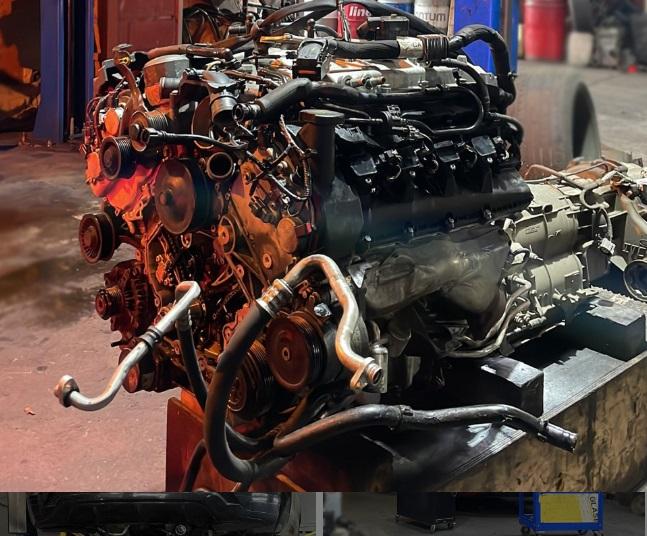
Understanding Common Mechanical Challenges
Owning a luxury SUV often brings immense satisfaction, but mechanical reliability remains a frequent topic among enthusiasts. When discussing the Range Rover engine, one must acknowledge that high-performance engineering requires meticulous attention to detail. Many owners report issues ranging from minor oil leaks to more significant internal wear over time. These vehicles are designed for both off-road prowess and highway comfort, which puts diverse stresses on the powertrain. Staying informed about potential pitfalls allows you to enjoy the driving experience without being caught off guard by sudden mechanical failures or unexpected performance drops during your daily commutes.
The Infamous Timing Chain Issues
One of the most talked-about concerns involves the timing chain, especially in the 5.0-litre V8 and 3.0-litre V6 variants. The Range Rover engine relies on a precise synchronization of components that can be compromised if the plastic guides or tensioners begin to fail. You might notice a subtle rattling sound during a cold start, which serves as an early warning sign of slack in the system. If ignored, this stretching can lead to catastrophic damage to the valves and pistons. Replacing these components before they reach a breaking point is a standard preventative measure recommended by specialists to ensure longevity.
Addressing Cooling System Vulnerabilities
Heat is the primary enemy of any high-compression powerplant, and the cooling system in these SUVs is complex. Maintaining a healthy Range Rover engine requires constant monitoring of the coolant levels and the condition of the various hoses. Plastic cooling pipes are known to become brittle after years of heat cycles, leading to sudden leaks that can cause rapid overheating. A warped cylinder head or a blown head gasket is a frequent result of a cooling system failure that was caught too late. Regularly inspecting the water pump and radiator for signs of crusty residue can prevent these expensive overheating events.
Managing Persistent Oil Leaks
It is often joked that if there is no oil under the vehicle, there is no oil in it, but leaks should always be taken seriously. A typical Range Rover engine may develop seeps around the valve cover gaskets, the oil pan, or the vacuum pump. These leaks do more than just stain your driveway; they can drip onto hot exhaust components and create a burning smell or even a fire hazard. Furthermore, low oil levels accelerate wear on internal bearings and the turbocharger system. Addressing these seals promptly ensures that the lubrication system remains pressurized and effective for protecting vital moving parts.
Fuel System and Carbon Buildup
Modern direct-injection systems provide excellent power but are prone to carbon accumulation on the intake valves. If your Range Rover engine feels sluggish or exhibits a rough idle, it might be struggling with these deposits. Over time, this buildup restricts airflow and reduces fuel efficiency significantly. Using high-quality premium fuel and occasional specialized cleaning treatments can help mitigate this issue. For diesel models, the exhaust gas recirculation valves and particulate filters also require periodic attention to prevent clogging, which can trigger limp mode and restrict your vehicle to low speeds until the system is professionally cleaned.
Essential Routine Maintenance Tips
Prevention is always more affordable than a total rebuild, so sticking to a strict service schedule is vital. To keep a Range Rover engine running at its peak, you should consider shortening the manufacturer’s suggested oil change intervals. Many experts suggest changing the synthetic oil every 5,000 to 7,500 miles rather than waiting for the 15,000-mile mark. Fresh oil keeps the sophisticated variable valve timing systems clean and operational. Additionally, replacing the air filters and spark plugs on time ensures that the combustion process remains efficient, which helps in maintaining the smooth power delivery these luxury vehicles are famous for.
Diagnostic Tools and Warning Signs
The dashboard is your first line of defense when something goes wrong under the hood. Any illumination involving the Range Rover engine should be investigated immediately with an OBD-II scanner to identify the specific fault codes. Sometimes a check engine light is caused by something as simple as a loose fuel cap, but it can also signal a failing oxygen sensor or a misfire. Being proactive about diagnostics prevents small sensor glitches from turning into mechanical nightmares. If you feel unusual vibrations or hear high-pitched whistling from the turbo, it is time to consult a technician before the problem escalates further.
Expert Repair and Rebuild Advice
When a major failure occurs, choosing between a patch repair and a full rebuild is a critical decision. A remanufactured Range Rover engine often incorporates upgraded parts that address the original factory weaknesses, such as reinforced timing guides. This approach resets the lifespan of the vehicle and provides peace of mind for long-term owners. Specialist garages equipped with Land Rover-specific tools are better suited for these tasks than general repair shops. Ensuring that genuine or high-quality OEM parts are used during any internal work will maintain the integrity and resale value of your vehicle for many years to come.
Turbocharger and Supercharger Care
For those driving the boosted variants, the induction system requires its own specific care routine to avoid failure. The power within a modern luxury SUV often features a turbocharger or a supercharger that generates immense pressure and heat to provide that signature acceleration. Always allow the vehicle to idle for a minute after a long drive to let the oil cool down the turbo bearings. Listen for any grinding or whining noises that might indicate a failing bearing or a leak in the boost hoses. Keeping the intake system free of debris and ensuring the intercooler is clean will help maintain consistent boost levels.
Longevity and Resale Value
A well-documented service history is the best way to protect your investment and ensure the vehicle remains a joy to drive. Caring for your luxury vehicle properly means you are less likely to face the steep depreciation associated with poorly maintained luxury cars. Buyers specifically look for evidence that timing chains and cooling systems have been addressed. By following these repair tips and staying vigilant about defects, you can navigate the complexities of ownership with confidence. Ultimately, a proactive approach to maintenance transforms a potentially temperamental machine into a reliable companion for all your adventures on and off the road.

 English