
How Disavowing Links Affects Authority, Trust, and Ranking Stability
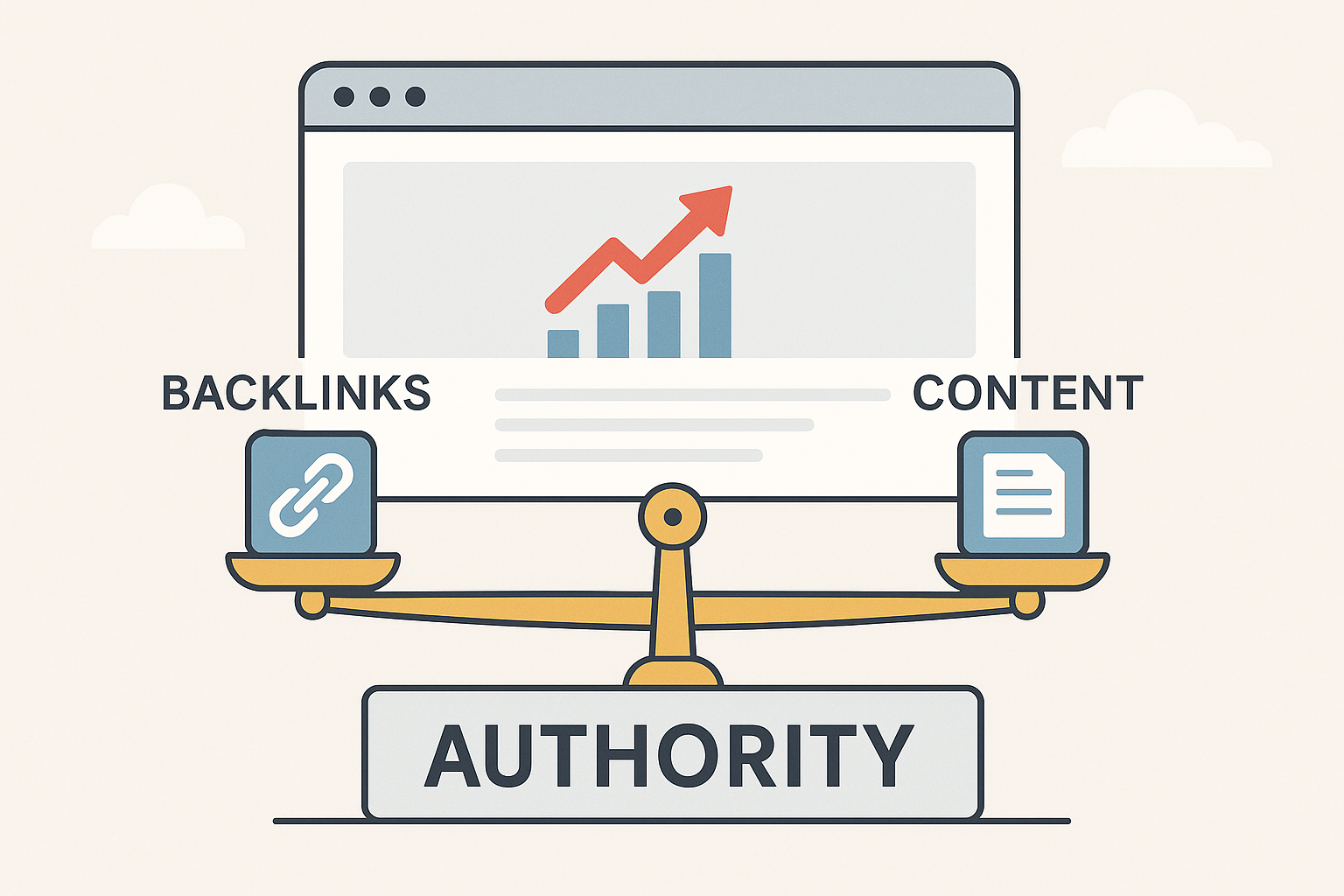
Explore How Disavowing Links Affects Authority, Trust, and Ranking Stability
For website owners and SEO professionals, backlinks are often considered a critical component of online authority. They serve as endorsements, signaling to search engines that your website is trustworthy, relevant, and valuable. However, not all backlinks are created equal. Some links—especially those from low-quality or spammy sources, can harm a website’s reputation, erode trust, and even result in penalties. This is where the disavow tool comes into play. Understanding how disavowing links affects authority, trust, and ranking stability is essential for maintaining long-term SEO performance, particularly for businesses navigating competitive markets.
Disavowing links is not a silver bullet, but when used correctly, it can protect your website from algorithmic penalties and strengthen your long-term authority. In this blog, we will explore the mechanics of disavowing links, its impact on trust signals, how it influences ranking stability, and share practical insights for website owners aiming to safeguard their SEO.
What is Link Disavowal?
Link disavowal is the process of telling search engines to ignore specific backlinks pointing to your website. Google’s Disavow Tool allows webmasters to submit a file listing links they do not want considered for ranking purposes. These may include links from spammy directories, low-quality blogs, private link networks, or irrelevant sources that could trigger algorithmic penalties, such as those associated with Google Penguin updates.
The purpose of disavowing links is to maintain a clean backlink profile. Websites with spammy or manipulative links may experience ranking drops because search engines perceive them as attempting to game the system. By carefully identifying and disavowing harmful links, a website can protect its domain authority, reinforce trust signals, and minimize the risk of future ranking volatility.
How Low-Quality Links Affect Authority
Authority in SEO is largely built through trust signals that search engines interpret from backlinks. High-quality backlinks from authoritative domains indicate credibility, while links from low-quality or irrelevant sites can diminish perceived authority. New and established websites alike are susceptible to negative effects from poor backlinks.
Low-quality links may cause search engines to question the trustworthiness of your site. This can manifest as reduced ranking positions, fewer impressions, and even partial or full deindexing in severe cases. Disavowing these links ensures that search engines focus only on legitimate endorsements, preserving domain authority and protecting your site’s reputation in the digital ecosystem.
The Role of Disavow in Maintaining Trust
Trust signals are critical in modern SEO. Search engines evaluate multiple factors, including backlinks, content quality, technical SEO, and user engagement, to determine a website’s reliability. If your site has an unnatural or manipulative backlink profile, trust signals may weaken, which can indirectly affect ranking stability.
By using the disavow tool to remove harmful links, webmasters signal to search engines that they are proactively maintaining their site’s credibility. Over time, this helps restore confidence in your domain, ensuring that your rankings are based on legitimate authority rather than questionable link practices. Essentially, disavowing links serves as a preventive measure, reinforcing long-term trust rather than seeking quick ranking gains.
Ranking Stability and Disavowal
Ranking stability refers to how consistently a website maintains its search engine positions over time. Websites with unstable backlink profiles often experience fluctuations in rankings, especially after algorithmic updates targeting manipulative link practices. Inconsistent authority signals can cause search engines to periodically reevaluate the site’s credibility.
Disavowing low-quality links reduces volatility by removing negative signals that can confuse search engine algorithms. For new websites or businesses undergoing aggressive growth, this stabilization is particularly valuable. A well-managed backlink profile supported by a robust on-page SEO foundation ensures that your rankings are more predictable, reducing the impact of algorithmic updates and maintaining organic visibility.
How to Identify Links to Disavow
Proper identification of harmful links is critical. Not every low-quality link needs to be disavowed, and overuse of the tool can limit the natural benefits of backlinks. Here are key steps for identifying links to disavow:
-
Backlink Audit: Use tools like SEMrush, Ahrefs, or Google Search Console to evaluate your backlink profile. Look for links from spammy directories, irrelevant niches, and low-authority websites.
-
Analyze Anchor Text: Over-optimized or unrelated anchor texts may signal manipulative practices. Links with unnatural anchor texts can negatively impact rankings.
-
Check Traffic and Engagement: Links that drive no referral traffic and appear to exist solely for SEO manipulation may be candidates for disavowal.
-
Evaluate Historical Patterns: Sudden spikes in low-quality backlinks often indicate link schemes that can harm domain trust.
By systematically auditing and categorizing backlinks, you can create a precise disavow file that mitigates risk while preserving valuable links.
Timing and Frequency of Disavowal
Disavowing links is not a one-time task. Backlink profiles evolve as new links are acquired, some intentionally, some organically. Periodic audits, ideally every 3 to 6 months—ensure that harmful links are addressed promptly. Websites experiencing penalties or ranking drops after an algorithmic update may require immediate review of their backlink profile.
It’s important to note that disavowing links is not a quick fix for ranking recovery. The process signals Google to ignore certain backlinks, but it does not automatically restore lost positions. Recovery depends on the quality of your remaining backlink profile, on-page SEO, and overall trust signals. Patience and consistent monitoring are essential for achieving long-term benefits.
Balancing Disavow with Link-Building Strategy
While disavowal protects authority, backlinks remain a critical factor in building online credibility. Websites should balance removing harmful links with actively acquiring high-quality backlinks. Content that is informative, authoritative, and technically optimized naturally attracts links over time. This combination of proactive disavowal and strategic link acquisition ensures that your website maintains strong authority, trust, and ranking stability.
Leading SEO practitioners, including Leading Digital Marketing Agency in USA, emphasize that disavowal should be used judiciously. Over-disavowing can inadvertently remove valuable link equity, while under-disavowing leaves your website exposed to potential penalties. A balanced, data-driven approach is key to maintaining long-term SEO health.
Personal Insights from Experience
In my work with clients across various industries, I have observed that websites with inconsistent backlink profiles often experience ranking volatility. Sites that implement a structured disavow strategy, combined with high-quality content and solid on-page SEO, tend to recover faster from algorithmic fluctuations. Maintaining trust and authority through careful link management not only stabilizes rankings but also enhances user perception of credibility.
Moreover, businesses that regularly audit and disavow harmful links are better prepared for future search engine updates. They can focus on creating valuable content and earning organic links, rather than scrambling to fix penalties after they occur. This approach creates a sustainable, long-term SEO strategy that prioritizes authority and trust over quick, short-term gains.
Conclusion
Disavowing links is a critical component of modern SEO, particularly for websites concerned with authority, trust, and ranking stability. While backlinks provide value, harmful or spammy links can undermine credibility and disrupt search performance. By carefully auditing backlinks, disavowing low-quality links, and balancing this with strategic link-building efforts, website owners can safeguard their domain authority and achieve stable, long-term growth.
Maintaining a clean backlink profile also strengthens trust signals, helping search engines view your website as reliable and authoritative. Combined with high-quality on-page SEO and continuous monitoring, disavowing links becomes a proactive tool to protect rankings and ensure sustainable online visibility.
Frequently Asked Questions (FAQs)
What is a disavow file, and how does it work?
A disavow file is a list of backlinks submitted to search engines that you want them to ignore when evaluating your website. It helps protect your site from spammy or low-quality links that could trigger penalties. By telling search engines to disregard these links, you maintain authority and prevent ranking drops caused by manipulative backlink practices.
How do disavowing links affect domain authority?
Disavowing harmful links helps preserve domain authority by removing negative signals that can lower credibility. Search engines interpret low-quality backlinks as attempts to manipulate rankings, which can reduce trust. By disavowing these links, your site’s genuine authority, supported by quality content and legitimate backlinks, is maintained and reinforced over time.
Can disavowing links improve ranking stability?
Yes, disavowing links contributes to ranking stability by eliminating harmful backlinks that create fluctuating signals. Websites with inconsistent or spammy links often experience ranking volatility, especially after algorithm updates. Removing these links allows search engines to evaluate your site based on genuine authority and quality signals, resulting in more predictable and stable search positions.
When should a website use the disavow tool?
A website should consider using the disavow tool if it has low-quality, spammy, or unnatural backlinks that could negatively impact rankings. It is especially useful after identifying penalties, ranking drops, or suspicious backlink patterns. However, the tool should be used cautiously, as disavowing high-quality links by mistake can remove valuable ranking signals.
Will disavowing links help recover from Google penalties immediately?
Disavowing links does not provide immediate ranking recovery. It informs Google to ignore certain backlinks, but recovery depends on the site’s remaining link profile, on-page SEO, and trust signals. Consistent monitoring, high-quality content, and strategic link-building are required to see sustainable improvements after submitting a disavow file.
How often should a website audit its backlinks for disavowal?
Websites should perform backlink audits every 3–6 months to ensure their profiles remain healthy. Frequent audits help identify spammy, low-quality, or irrelevant links that could harm authority and rankings. Regular monitoring allows site owners to disavow harmful links promptly, maintaining trust with search engines and supporting long-term ranking stability.
Can disavowing links affect traffic from legitimate sources?
Disavowing links only instructs search engines to ignore the backlinks for ranking purposes; it does not block users from visiting your site. Therefore, legitimate referral traffic is generally unaffected. However, care must be taken to disavow only harmful or irrelevant links, as removing valuable backlinks from authoritative sites could reduce SEO benefits indirectly over time.
Is it necessary for all websites to use the disavow tool?
Not every website requires link disavowal. Well-maintained sites with naturally acquired, high-quality backlinks often do not face risks that warrant disavowal. The tool is most useful for sites that have experienced spammy link attacks, manual penalties, or unnatural link-building campaigns. Judicious use ensures authority and trust remain intact without unnecessary risk.
How does Google determine which links to ignore after a disavow submission?
When a disavow file is submitted, Google evaluates the listed links and generally ignores their influence on your rankings. This prevents low-quality or manipulative links from impacting your domain authority. Google still considers other signals like content quality, on-page SEO, and legitimate backlinks to assess your website’s overall trustworthiness and ranking potential.
Can disavowing links reverse past ranking penalties?
Disavowing links can help mitigate the effects of certain penalties, particularly those related to unnatural or spammy backlinks, but it is not an instant fix. Recovery depends on the site’s remaining backlink profile, content quality, and overall SEO health. A comprehensive approach, combining on-page optimization, high-quality content, and careful disavowal, is essential for regaining stable rankings.

 Turkish