
Selecting the Right High Temperature Flow Meter for Industry
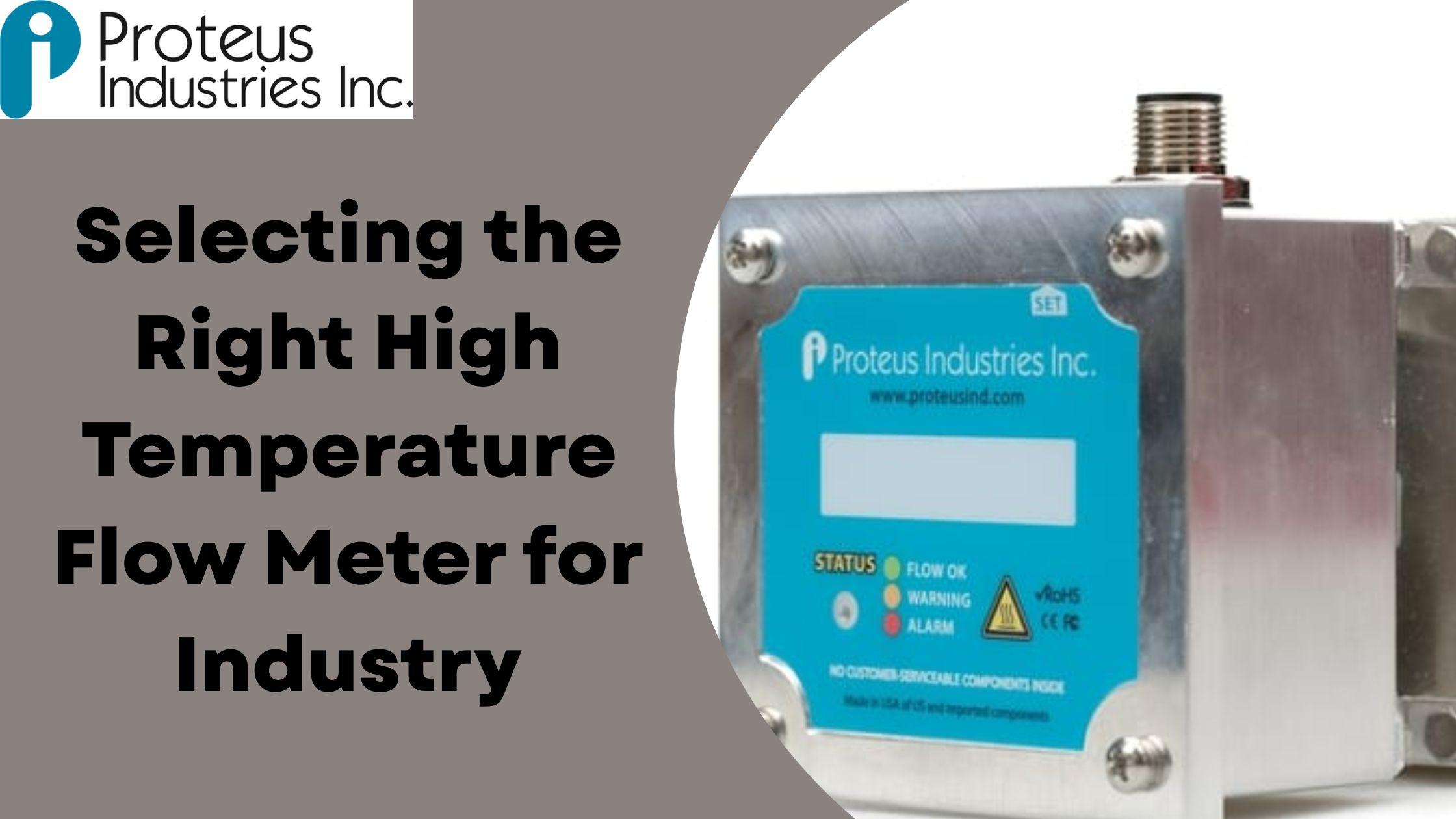
Industrial processes operating at elevated temperatures require highly specialized measurement systems. Accurately monitoring flow in extreme thermal environments is essential for maintaining efficiency, safety, and regulatory compliance. Industries such as power generation, petrochemical processing, metallurgy, and chemical manufacturing often handle fluids or gases at temperatures beyond the limits of standard instrumentation. In such conditions, equipment must withstand thermal stress while maintaining precise measurement capability. Selecting a high temperature flow meter requires a clear understanding of process temperature ranges, pressure levels, and the physical properties of the medium being measured.
A high-temperature flow meter is specifically engineered to function reliably in environments where conventional meters may fail. These instruments are designed with heat-resistant materials, reinforced internal components, and advanced sensing technologies that remain stable despite thermal expansion and prolonged exposure to heat. Before selecting a suitable model, engineers must evaluate operational limits, safety margins, and potential temperature fluctuations. Proper assessment ensures consistent performance and prevents premature equipment degradation.
1. Types of High Temperature Flow Meters Used in Industry
Several types of flow meters are suitable for high-temperature applications, each operating on different measurement principles. Common options include vortex, electromagnetic, turbine, ultrasonic, and differential pressure flow meters. Vortex meters are often preferred in steam applications because they can handle elevated temperatures and provide reliable readings in harsh conditions. Differential pressure meters are widely used in industrial systems due to their durability and compatibility with high-pressure environments.
The selection of meter type depends on the fluid characteristics and operational requirements. For example, ultrasonic meters may be chosen for non-invasive measurement, while turbine meters can provide high accuracy in controlled systems. Understanding the advantages and limitations of each technology is essential. Matching the measurement principle with process conditions ensures long-term reliability and optimal performance in demanding thermal settings.
2. Key Factors to Consider When Selecting a Flow Meter
Choosing the appropriate flow meter involves evaluating several critical parameters. Temperature range is the primary factor, but pressure rating, flow rate capacity, and fluid composition must also be considered. Fluids with corrosive properties or suspended solids require specific materials and design features to prevent damage and ensure accurate measurement.
Another important consideration is the installation environment. Pipe size, orientation, vibration levels, and available straight-run piping length can affect meter accuracy. Maintenance accessibility and lifecycle cost should also influence the decision. A comprehensive evaluation of these factors reduces operational risks and enhances overall system efficiency.
3. Material Compatibility and Thermal Resistance
Material selection is crucial for high-temperature flow measurement. Components exposed to extreme heat must resist thermal fatigue, oxidation, and structural deformation. Stainless steel alloys, high-grade ceramics, and specialized heat-resistant metals are commonly used to maintain structural integrity. The wrong material choice can result in warping, cracking, or measurement drift.
Thermal expansion is another critical factor. As temperature increases, materials expand, potentially affecting sensor alignment and calibration. Advanced designs account for expansion through engineered tolerances and protective coatings. Ensuring compatibility between the meter’s materials and the process fluid further enhances longevity and performance stability.
4. Accuracy, Calibration, and Performance Standards
Maintaining accuracy in high-temperature conditions requires robust calibration procedures and compliance with industrial standards. Temperature variations can influence sensor sensitivity, so compensation mechanisms are often integrated into modern flow meters. These mechanisms help maintain consistent readings even during thermal fluctuations.
Regular calibration is essential to prevent drift and ensure measurement integrity. Many industrial facilities implement scheduled verification programs to align with regulatory and quality standards. Selecting equipment that meets recognized performance certifications enhances reliability and supports consistent process control.
5. Common Industrial Applications and Operating Conditions
High-temperature flow measurement is essential in industries where steam, hot gases, or heated liquids are integral to operations. Power plants rely on accurate steam flow measurement to optimize turbine performance and energy output. Chemical processing plants use high-temperature systems to control reactions and maintain product consistency.
In metal processing and oil refining, precise monitoring of heated fluids ensures safety and production efficiency. Operating conditions in these environments often involve extreme pressure, corrosive substances, and fluctuating thermal levels. Reliable measurement systems are necessary to prevent system failures and maintain operational continuity.
6. Our High Temperature Flow Meter Solutions and Services
Our services focus on delivering comprehensive high-temperature flow measurement solutions tailored to industrial requirements. We begin with a detailed process analysis to determine operational conditions, including temperature range, pressure, and fluid characteristics. Based on this evaluation, we recommend durable, precise flow meters.
In addition to product supply, we provide installation guidance, calibration support, and maintenance planning. Our objective is to ensure that each selected meter integrates seamlessly into the client’s system while maintaining long-term accuracy. By combining technical expertise with industry knowledge, we help industries achieve dependable measurement performance in extreme thermal environments.
7. Conclusion: Making an Informed Industrial Flow Meter Selection
Selecting the right flow meter for high-temperature industrial applications requires a systematic and informed approach. Evaluating operational conditions, material compatibility, measurement principles, and calibration standards ensures reliable performance. A well-chosen meter not only enhances accuracy but also improves safety and efficiency across the entire process system.
By prioritizing durability, precision, and proper installation, industries can minimize downtime and extend equipment lifespan. Careful planning and professional guidance enable the implementation of a flow measurement solution that performs consistently even under the most demanding thermal conditions.

 Turkish