
Acoustic Guitar with Arm Bevel and Auditorium Cutaway: Comfort Meets Performance
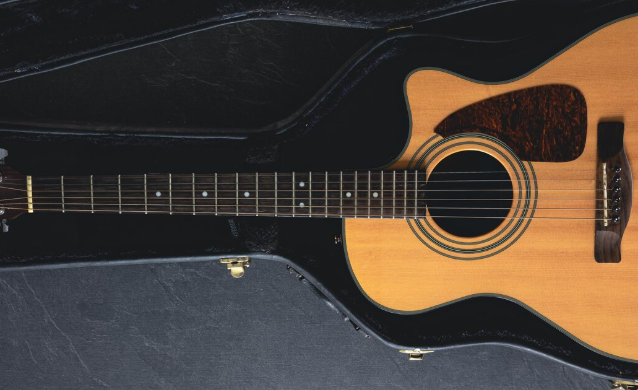
Choosing the right acoustic guitar is about more than tone alone. Modern guitarists increasingly look for instruments that balance sound quality, playability, and long-term comfort. Two features that have become especially popular among serious players are the Acoustic guitar with arm bevel and the Auditorium Cutaway body design. Together, these elements redefine what it means to enjoy extended playing sessions while maintaining exceptional tonal clarity and versatility.
This article explores why these features matter, how they enhance the playing experience, and why guitars built with these design elements are becoming a preferred choice for performers, studio musicians, and hobbyists alike.
Understanding the Acoustic Guitar with Arm Bevel
An Acoustic guitar with arm bevel includes a carefully contoured edge where the player's strumming arm rests against the guitar body. Traditionally, acoustic guitars have a sharp or squared edge at this contact point, which can cause discomfort during long sessions.
Why Arm Bevels Matter
The arm bevel serves both ergonomic and performance-related purposes:
- Reduced Arm Fatigue: The rounded edge minimizes pressure on the forearm, allowing players to practice or perform longer without strain.
- Improved Blood Circulation: Less compression on the arm means fewer numbness issues during extended play.
- Relaxed Playing Posture: Comfort leads to better posture, improving overall technique and tone consistency.
For players who perform live, record frequently, or practice daily, an Acoustic guitar with arm bevel can significantly improve endurance and playing enjoyment.
The Role of Auditorium Cutaway Design
The Auditorium Cutaway body shape is known for its balanced tone and accessible upper frets. It sits between dreadnought and concert sizes, offering versatility across musical styles.
What Makes an Auditorium Cutaway Special?
- Balanced Sound Profile: Clear highs, controlled lows, and strong midrange response.
- Upper Fret Access: The cutaway allows easy reach to higher frets, essential for lead playing and advanced chord voicings.
- Comfortable Body Size: Ideal for seated or standing performance without sacrificing projection.
An Auditorium Cutaway is particularly popular among fingerstyle players, singer-songwriters, and modern acoustic performers who need flexibility across genres.
When Comfort and Design Work Together
Combining an Acoustic guitar with arm bevel and an Auditorium Cutaway creates an instrument designed for both comfort and expressive range. This pairing benefits players who demand physical ease without compromising tone or volume.
Key Advantages of This Combination
- Enhanced ergonomic comfort for long sessions
- Smooth access to the full fretboard
- Balanced resonance suitable for live and studio use
- Reduced physical strain during performances
This design synergy allows musicians to focus on creativity instead of discomfort.
Ideal Playing Styles for This Guitar Type
An Acoustic guitar with arm bevel and Auditorium Cutaway adapts well to various playing styles:
Fingerstyle Guitarists
The Auditorium body offers clarity and articulation, while the arm bevel ensures comfort during intricate finger movements.
Singer-Songwriters
Balanced tonal output supports vocals without overpowering them, making it ideal for solo performances.
Live Performers
Cutaway access allows seamless transitions into higher-register melodies and solos.
Studio Musicians
Comfort and tonal balance make this setup ideal for long recording sessions.
Materials and Craftsmanship Considerations
While body shape and comfort features matter, tonewoods and construction quality also play a crucial role.
Common Tonewood Pairings
- Top: Spruce or cedar for clarity and responsiveness
- Back and Sides: Mahogany or rosewood for warmth and depth
An Acoustic guitar with arm bevel often requires additional craftsmanship, as shaping the bevel must preserve structural integrity while enhancing comfort.
Why Professional Musicians Prefer This Design
Professional guitarists value reliability, playability, and tonal consistency. An Auditorium Cutaway paired with an arm bevel delivers all three.
- Less fatigue during tours
- Greater expressive freedom
- Improved comfort under stage lighting and long rehearsals
As performance demands increase, comfort-driven innovations like the arm bevel become less of a luxury and more of a necessity.
Acoustic Guitar with Arm Bevel for Long-Term Health
Beyond immediate comfort, using an Acoustic guitar with arm bevel can help reduce repetitive strain injuries. Players who practice daily often experience wrist, shoulder, and forearm tension. Ergonomic designs help mitigate these risks by promoting natural arm positioning.
When combined with an Auditorium Cutaway , the guitar supports better posture and movement across the fretboard.
Choosing the Right Auditorium Cutaway Guitar
When selecting a guitar with these features, consider the following:
- Neck profile and scale length
- Weight balance and body depth
- Playing position (seated vs standing)
- Musical genre and performance needs
Trying different models helps identify the right balance between comfort, sound, and playability.
The Future of Acoustic Guitar Design
The growing popularity of the Acoustic guitar with arm bevel signals a shift toward player-centered design. Musicians are no longer willing to sacrifice comfort for tradition. Likewise, the Auditorium Cutaway continues to evolve as a preferred body style for modern acoustic performance.
Together, these features represent a forward-thinking approach to acoustic guitar craftsmanship—where comfort enhances creativity rather than limiting it.
Final Thoughts
An Acoustic guitar with arm bevel and Auditorium Cutaway offers a refined playing experience that blends ergonomic comfort with tonal versatility. Whether you are a professional performer, recording artist, or passionate hobbyist, this guitar design supports longer sessions, better posture, and expressive freedom.
As acoustic guitars continue to evolve, designs that prioritize the player—without compromising sound—will remain at the forefront. For those seeking comfort, balance, and performance in one instrument, this combination is hard to beat.

 Turkish