
How to Evaluate a High-Value Real Estate Investment in California

California's luxury real estate market moves differently than the rest of the country. Prices swing on micro-location, coastal proximity can shift value by seven figures, and what looks like a "great deal" on paper can quietly become a money pit once construction, permitting, and holding costs are factored in. If you're serious about building wealth through property, whether that means acquiring, developing, or renovating, you need a framework for evaluating a deal before you commit capital to it.
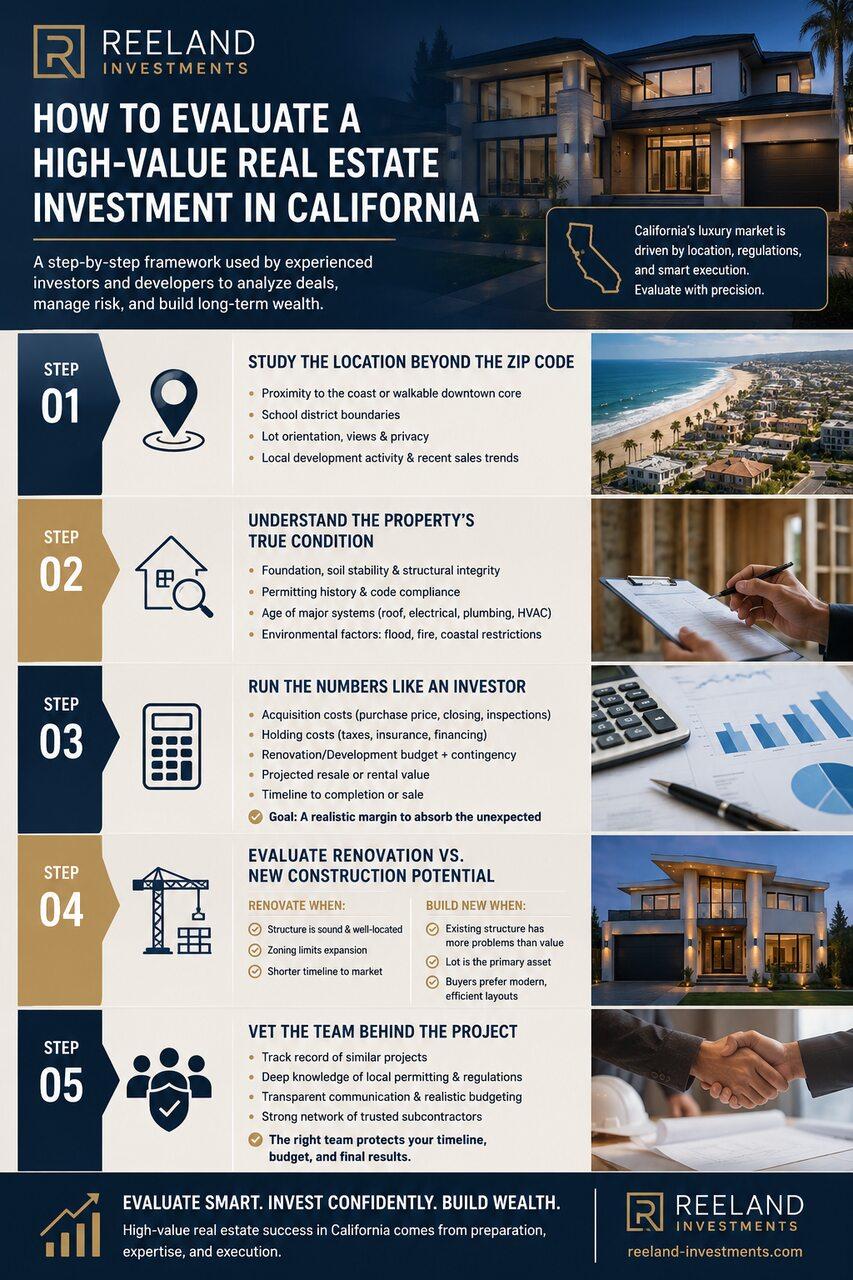
This guide breaks down exactly how experienced investors and developers assess a high-value property in California, so you can approach your next decision with the same rigor.
Why "High-Value" Doesn't Just Mean "Expensive"

A common mistake first-time investors make is equating price with value. A $4 million home in Manhattan Beach and a $4 million home in a landlocked suburb are not the same investment, even if the sticker price matches. High-value real estate is defined by its ability to appreciate, generate returns, and hold demand through market cycles - not simply by how much it costs.
When evaluating a property, the real question isn't "can I afford this?" It's "does this asset have the fundamentals to outperform the market over time?" That distinction shapes everything that follows.
Study the Location Beyond the Zip Code

Location is the single biggest driver of long-term value in California real estate, but it goes deeper than "which city." Within a single neighborhood, value can vary block by block based on:
Proximity to the coast or a walkable downtown core: In markets like Manhattan Beach and Redondo Beach, even a few blocks' difference from the water can significantly change resale value.
School district boundaries: These lines often don't follow obvious streets, and they matter enormously to the buyer pool you'll eventually sell to.
Lot orientation and views: Ocean glimpses, sunset exposure, and privacy from neighboring properties all carry a premium in coastal California.
Local development activity: Streets with several recent renovations or new builds tend to signal rising demand - buyers are willing to invest there.
A good practice is to walk the neighborhood at different times of day, talk to local agents who work that specific pocket, and look at the last 12–24 months of comparable sales rather than relying on citywide averages.
Understand the Property's True Condition Not Just What You See

Cosmetic issues are easy to spot and easy to price. The bigger risks in California real estate are structural, environmental, and regulatory:
-
Foundation and soil stability, especially in hillside or coastal properties where erosion and seismic activity are real considerations.
-
Permitting history. Unpermitted additions or renovations can create costly problems down the line, from insurance issues to resale complications.
-
Age of major systems roof, electrical, plumbing, HVAC since replacing these can eat significantly into your projected returns.
-
Environmental factors, including flood zones, wildfire risk areas, and coastal commission restrictions that can limit what you're allowed to build or rebuild.
A professional inspection combined with a review of city permitting records will tell you far more than a walkthrough ever will. This is also where working with an experienced development team pays off spotting these issues early prevents budget surprises later.
Run the Numbers Like an Investor, Not a Buyer

Evaluating a high-value investment means modeling multiple financial scenarios, not just checking whether the monthly payment is comfortable. At minimum, you should calculate:
-
Acquisition cost purchase price plus closing costs, inspection fees, and any immediate repair needs.
-
Holding costs property taxes, insurance, and, if applicable, financing costs during any renovation or development period.
-
Renovation or development budget built with contingency room for permitting delays and material cost fluctuations both common in California's regulatory environment.
-
Projected resale or rental value Based on recent comparable sales and realistic market conditions, not best-case assumptions.
-
Timeline to completion or sale since carrying costs compound the longer a project takes.
The goal is a realistic margin the gap between total investment and projected value large enough to absorb the unexpected. In coastal California markets, that margin often needs to be wider than investors initially assume, given permitting timelines and construction costs that run higher than the national average.
Evaluate Renovation vs. New Construction Potential
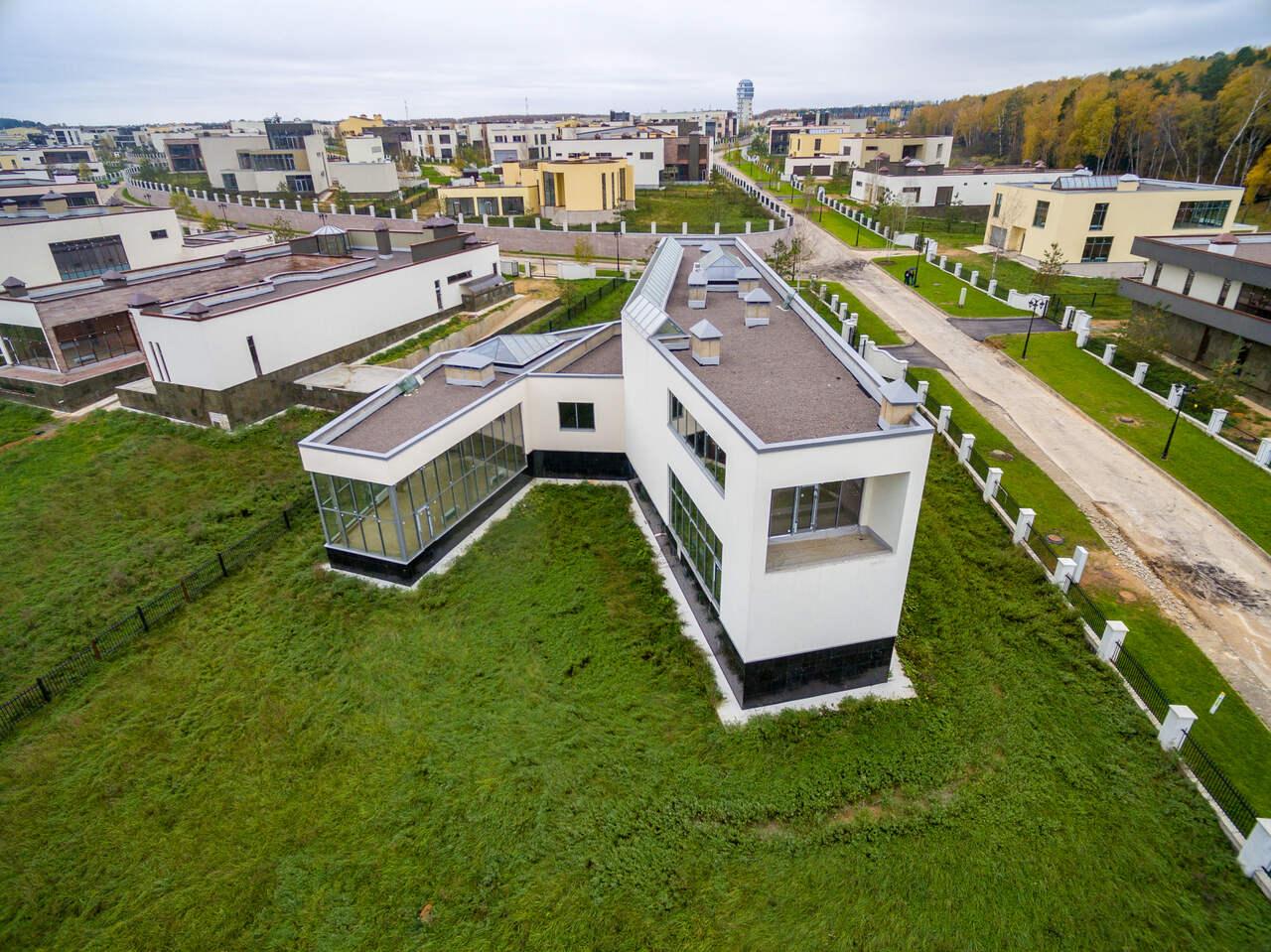
Many high-value opportunities in California aren't move-in ready homes they're properties with untapped potential. Deciding whether to renovate an existing structure or pursue new construction is one of the most consequential decisions in the evaluation process.
Renovation tends to make sense when:
-
The existing structure is sound and well-located
-
Local zoning limits significant expansion
-
The timeline to market needs to be shorter
New construction tends to make sense when:
-
The existing structure has more problems than value
-
The lot itself is the primary asset
-
Buyer demand in that market favors modern, efficient layouts
This is also where it helps to understand the buyer pool you're building for. In many of California's most competitive coastal markets, demand for new construction homes for sale Manhattan Beach has outpaced supply, particularly among buyers who want modern efficiency, updated layouts, and fewer maintenance surprises than an older home carries. That shift in buyer preference is worth factoring into your decision, since it directly affects resale speed and final sale price.
Vet the Team Behind the Project
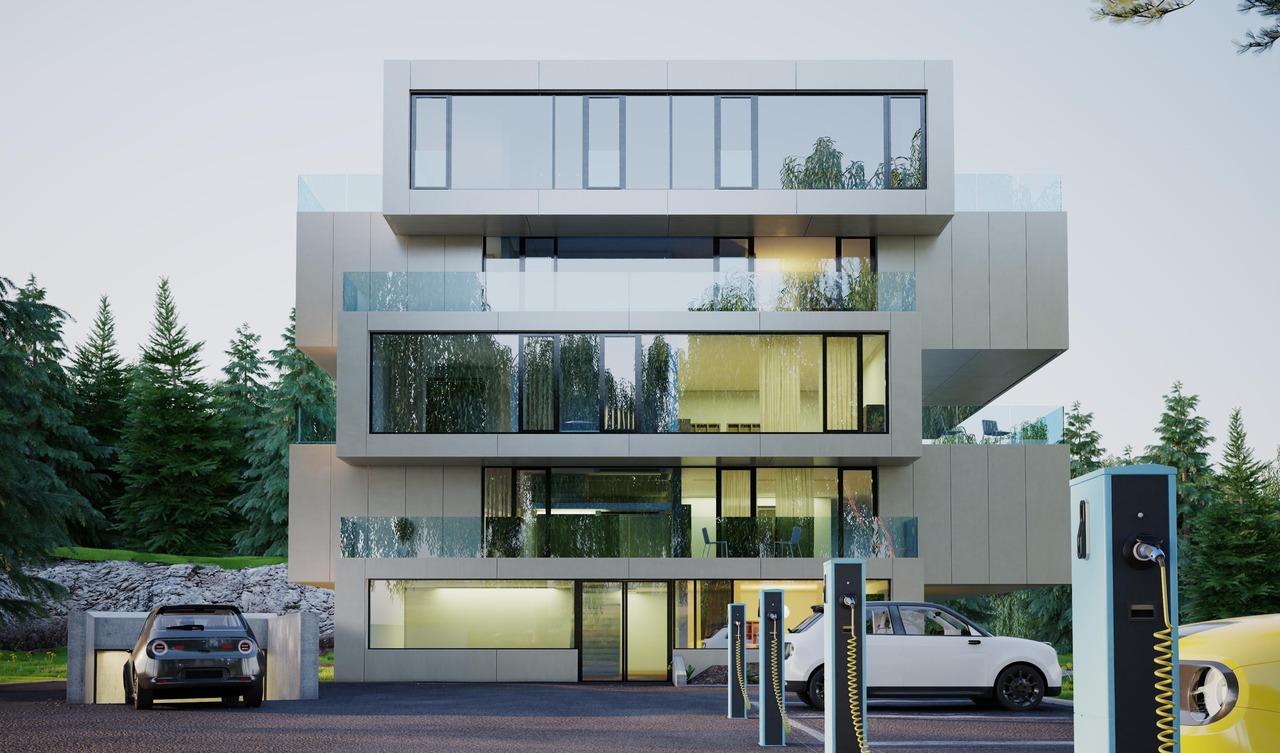
A high-value real estate investment is only as strong as the team executing it. This applies whether you're personally developing a property or partnering with a firm to do it on your behalf. Look for:
-
A verifiable track record of completed projects, not just renderings or plans
-
Licensing and insurance appropriate to development work, not just brokerage
-
Transparent communication about budget, timeline, and risk
-
Local experience in the specific market you're investing in
Reputable luxury home builders distinguish themselves through consistency a portfolio of completed, high-quality projects rather than a handful of highlight photos. Before committing capital to any development partnership, ask to see full project histories, not just the finished result.
Understand Your Exit Strategy Before You Buy
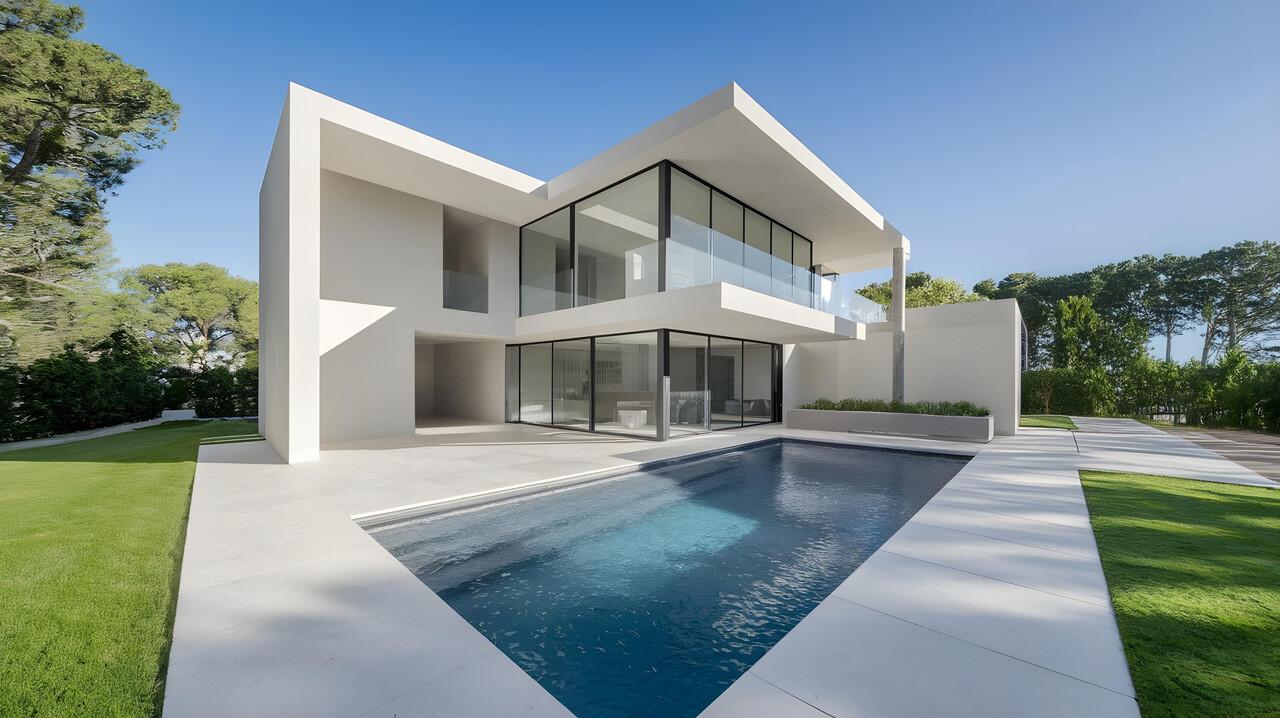
Every high-value investment should be evaluated with the end in mind. Are you planning to hold the property long-term for appreciation and rental income? Renovate and sell within a defined timeline? Develop and flip to a new buyer? Each strategy carries different risk profiles, tax implications, and capital requirements.
This is also where many owners reconsider outright ownership altogether. If you already own a property and are weighing whether to renovate, develop, or move on, understanding your options before you decide to sell my house outright can meaningfully change your financial outcome. In some cases, a strategic renovation or development partnership yields a significantly higher return than an as-is sale but that only holds true if the numbers are evaluated correctly from the start.
Common Mistakes to Avoid
-
Anchoring to list price instead of underlying value and comparable data
-
Underestimating permitting and holding timelines, which are longer in California than in many other states
-
Skipping a professional inspection to move faster on a competitive property
-
Ignoring zoning and lot restrictions that limit future development potential
-
Choosing a development partner based on price alone, rather than track record and transparency
Final Thoughts
Evaluating a high-value real estate investment in California isn't about finding the biggest or most expensive property it's about identifying an asset with strong fundamentals, realistic financials, and a clear path to value creation. Location, condition, numbers, strategy, and team all have to align. Skip any one of these steps, and even a promising-looking property can underperform.
Whether you're acquiring your first investment property or expanding a portfolio, taking the time to evaluate methodically rather than emotionally is what separates long-term investors from one-time buyers.
Frequently Asked Questions
What makes a California property a "high-value" investment?
A high-value investment isn't defined by price alone it's defined by location fundamentals, condition, development potential, and realistic resale or rental projections that show a strong return relative to total investment.
How do I know if I should renovate a property or pursue new construction?
It depends on the condition of the existing structure, local zoning restrictions, your budget, and your timeline. Sound structures in desirable locations often favor renovation, while properties where the lot is the primary value driver often favor new construction.
What are the biggest financial risks when evaluating a property in California?
Permitting delays, underestimated renovation budgets, and holding costs are the most common risks. California's regulatory timelines and construction costs tend to run higher than national averages, so building in a wider financial margin is essential.
How important is the development team to the success of an investment?
Extremely important. A property's potential can only be realized by an execution team with a proven track record, proper licensing, and transparent communication. Vetting past projects is one of the most reliable ways to reduce risk.
What should I consider before deciding to sell versus develop a property I already own?
Compare the as-is sale value against the projected value after a strategic renovation or development, factoring in costs and timeline. In many cases, a well-executed development plan produces a meaningfully higher return than an immediate sale but only when the numbers are modeled accurately from the outset.

 Turkish