
How Does Battery Power Affect Drill Performance?
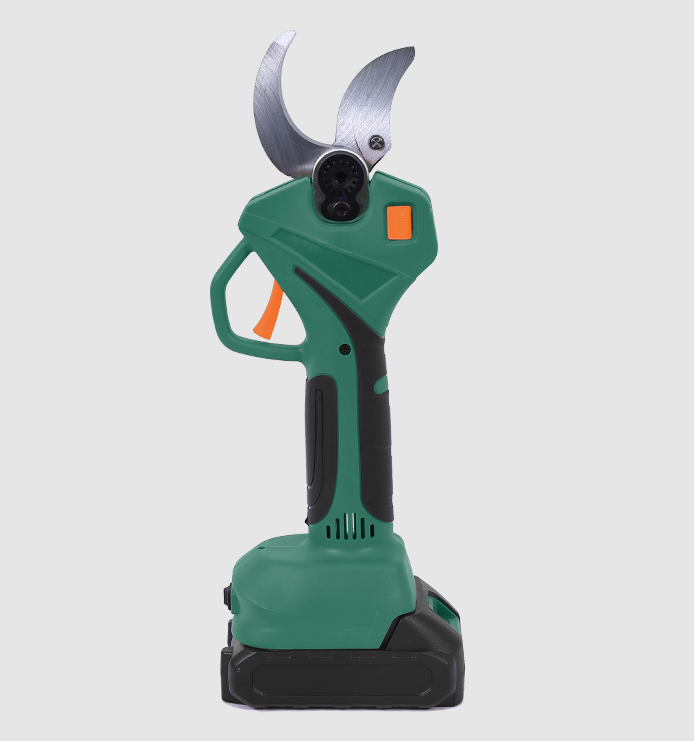
Cordless power tools have evolved significantly with the advancement of lithium-ion battery technology and electronic motor control systems. One of the most widely adopted tools in this evolution is the Lithium Battery Brushless Cordless Drill, which combines compact design with high torque output and extended runtime.
The performance of this type of drill is heavily influenced by the interaction between the lithium battery pack and the brushless motor system. Lithium-ion cells provide high energy density and stable discharge characteristics. A standard configuration may consist of 18650 or 21700 cylindrical cells arranged in series to achieve nominal voltages such as 18V or 21V. These configurations allow continuous current delivery suitable for demanding drilling and fastening tasks.
Brushless motor technology replaces traditional mechanical commutation with electronic switching. This enables precise control over phase timing, resulting in improved torque consistency. Under load, the motor controller adjusts current flow based on resistance feedback, maintaining stable rotation speed even when drilling dense materials such as hardwood or steel.
Torque performance in these drills often ranges from 60 Nm to 120 Nm depending on gear ratio and motor design. Lower gear settings prioritize torque output, while higher gear settings increase rotational speed for drilling efficiency. A dual-gear transmission system is commonly used, with approximate ranges such as 0–450 RPM on low gear and 0–1700 RPM on high gear.
Battery discharge capability plays a key role in real-world performance. High-drain lithium-ion cells can supply peak currents between 25A and 60A for short bursts, enabling rapid torque response during screw driving or drilling starts. Internal battery management systems regulate temperature and prevent over-discharge to protect cell lifespan.
The structural layout of the tool is designed to optimize both balance and control. A compact motor housing reduces front-end weight, improving handling accuracy during overhead or precision tasks. Most designs maintain a total length under 200 mm without the battery attached.
Chuck systems are typically 13 mm keyless types, allowing quick bit changes without additional tools. This increases workflow efficiency in environments where multiple bit sizes are required.
Thermal management is also a key engineering consideration. Brushless motors generate less heat compared to brushed counterparts, but under continuous load, heat sinks and airflow channels within the housing help maintain safe operating temperatures. Some designs incorporate electronic thermal cut-off systems to prevent overload damage.
Additional features often include variable-speed triggers, electronic brake systems, and multi-stage clutch settings. These clutch systems allow controlled torque application, reducing the risk of fastener damage when working with delicate materials.
The Lithium Battery Brushless Cordless Drill is commonly applied in construction assembly, electrical installation, furniture manufacturing, and maintenance operations. Its portability and consistent performance make it suitable for both indoor and outdoor environments.
As battery chemistry improves and brushless motor efficiency increases, future designs are expected to deliver higher torque output with reduced energy consumption. Enhanced control electronics may also enable more adaptive torque response based on material type detection.

 English