
IPTV Encoder Guide 2026 | Features, Benefits & Setup Tips
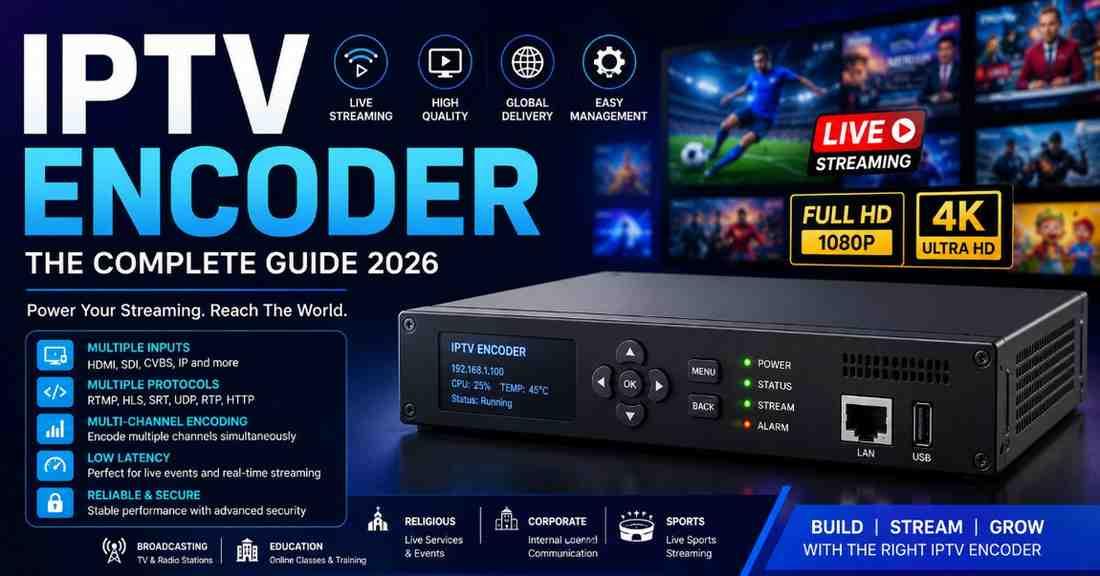
Learn everything about IPTV encoders, how they work, benefits, features, setup process, and choosing the best IPTV encoder for streaming success.
IPTV Encoder: The Complete Guide to IPTV Encoding Technology in 2026
Introduction
The rapid growth of online video streaming has transformed the broadcasting industry. Businesses, broadcasters, content creators, educational institutions, and IPTV service providers now rely on advanced technologies to deliver high-quality content to audiences worldwide. At the center of this transformation is the IPTV Encoder.
An IPTV encoder is a critical component of any IPTV streaming infrastructure. It converts video and audio signals into digital formats suitable for internet transmission, ensuring viewers receive smooth, high-quality streaming experiences across multiple devices.
Whether you're launching an IPTV service, managing a television station, streaming live events, or building a professional broadcasting network, understanding how an IPTV encoder works is essential.
This comprehensive guide explores IPTV encoders, their benefits, features, applications, setup processes, and best practices for maximizing streaming performance.
What Is an IPTV Encoder?
An IPTV Encoder is a hardware or software solution that converts video and audio signals into compressed digital streams suitable for delivery over IP networks.
Traditional video sources such as:
-
Satellite Receivers
-
Cable TV Systems
-
Cameras
-
Media Players
-
Broadcast Equipment
produce signals that require encoding before they can be transmitted through IPTV networks.
The IPTV encoder processes these signals and transforms them into formats compatible with streaming protocols and IPTV platforms.
Without IPTV encoding technology, efficient online video broadcasting would not be possible.
How Does an IPTV Encoder Work?
The IPTV encoding process involves several stages.
Video Signal Capture
The encoder receives input from a video source such as:
-
HDMI Devices
-
SDI Cameras
-
DVB Receivers
-
Blu-ray Players
-
Professional Broadcast Equipment
Compression
Raw video files consume significant bandwidth. The IPTV encoder compresses the content using advanced codecs.
Popular codecs include:
-
H.264 AVC
-
H.265 HEVC
-
MPEG-4
-
AV1
Compression reduces file size while maintaining visual quality.
Stream Packaging
After compression, the encoder packages the content into streaming-friendly formats.
Common protocols include:
-
RTMP
-
HLS
-
UDP
-
RTP
-
SRT
-
HTTP Streaming
IPTV Delivery
The encoded stream is delivered to:
-
IPTV Middleware
-
CDN Networks
-
Streaming Servers
-
End Users
This allows viewers to access content on Smart TVs, mobile devices, and computers.
Why IPTV Encoders Are Important
An IPTV encoder serves as the foundation of any professional IPTV ecosystem.
Key reasons include:
Improved Streaming Efficiency
Encoding reduces bandwidth consumption while maintaining excellent video quality.
Multi-Device Compatibility
Encoded streams can be viewed on:
-
Smart TVs
-
Android Devices
-
iPhones
-
Tablets
-
Firestick Devices
-
PCs and Laptops
Enhanced Viewer Experience
Professional encoding minimizes:
-
Buffering
-
Latency
-
Signal Drops
-
Playback Errors
Scalability
IPTV encoders enable broadcasters to reach thousands or even millions of viewers simultaneously.
Types of IPTV Encoders
Understanding different encoder types helps organizations select the right solution.
Hardware IPTV Encoders
Hardware encoders are dedicated physical devices designed specifically for video encoding.
Benefits
-
High Reliability
-
Low Latency
-
24/7 Operation
-
Superior Stability
-
Professional Performance
Common Applications
-
IPTV Providers
-
TV Broadcasters
-
Sports Streaming
-
Corporate Broadcasting
Software IPTV Encoders
Software encoders run on computers or servers.
Advantages
-
Lower Initial Cost
-
Flexible Configuration
-
Easy Updates
-
Scalable Deployment
Typical Users
-
Content Creators
-
Small IPTV Businesses
-
Educational Platforms
-
Live Streamers
Cloud IPTV Encoders
Cloud-based encoding solutions process streams remotely through cloud infrastructure.
Benefits
-
No Physical Hardware
-
Global Accessibility
-
Automatic Scaling
-
Reduced Maintenance
Cloud IPTV encoders continue to gain popularity among modern broadcasters.
Key Features of the Best IPTV Encoder
When selecting an IPTV encoder, consider the following features.
H.264 and H.265 Support
Modern codecs improve compression efficiency while maintaining video quality.
Benefits include:
-
Reduced Bandwidth Usage
-
Better Video Quality
-
Faster Streaming
Multiple Input Interfaces
A professional IPTV encoder should support:
-
HDMI
-
SDI
-
VGA
-
CVBS
-
IP Streams
This flexibility allows integration with various video sources.
Multi-Channel Encoding
Advanced IPTV encoders can process multiple channels simultaneously.
Benefits include:
-
Increased Efficiency
-
Lower Operational Costs
-
Simplified Management
Low Latency Streaming
Low latency is crucial for:
-
Live Sports
-
News Broadcasting
-
Gaming Streams
-
Real-Time Events
Professional IPTV encoders deliver minimal delay.
Remote Management
Web-based control panels allow administrators to:
-
Monitor Streams
-
Adjust Settings
-
Restart Services
-
Analyze Performance
from any location.
IPTV Encoder Applications
The versatility of IPTV encoders makes them valuable across many industries.
IPTV Service Providers
IPTV operators use encoders to distribute:
-
Live TV Channels
-
Premium Entertainment
-
Sports Content
-
International Programming
Television Broadcasting
TV stations use IPTV encoders to extend their reach beyond traditional transmission methods.
Benefits include:
-
Online Broadcasting
-
Global Accessibility
-
Reduced Infrastructure Costs
Education
Universities and training organizations stream:
-
Online Classes
-
Virtual Seminars
-
Educational Content
using IPTV encoding solutions.
Religious Organizations
Churches and religious institutions broadcast:
-
Live Worship Services
-
Conferences
-
Community Events
to remote audiences.
Corporate Communications
Businesses utilize IPTV encoders for:
-
Internal Communications
-
Employee Training
-
Product Launches
-
Corporate Events
IPTV Encoder and Video Quality
Video quality is a critical factor in viewer satisfaction.
Several encoder settings influence quality:
Bitrate
Higher bitrates generally improve quality but require more bandwidth.
Resolution
Popular resolutions include:
-
720p HD
-
1080p Full HD
-
4K UHD
Frame Rate
Smooth playback often depends on frame rates such as:
-
25 FPS
-
30 FPS
-
50 FPS
-
60 FPS
Codec Efficiency
Modern codecs achieve better quality at lower bitrates.
IPTV Encoder Setup Guide
Proper setup ensures optimal performance.
Step 1: Connect Video Sources
Attach cameras, receivers, or media players to the encoder.
Step 2: Configure Network Settings
Assign:
-
IP Address
-
Gateway
-
DNS Settings
to establish network connectivity.
Step 3: Select Codec
Choose between:
-
H.264
-
H.265
based on bandwidth and quality requirements.
Step 4: Set Streaming Protocol
Configure protocols such as:
-
RTMP
-
HLS
-
SRT
depending on your distribution platform.
Step 5: Test the Stream
Verify:
-
Video Quality
-
Audio Synchronization
-
Stream Stability
before going live.
Common IPTV Encoder Challenges
Although IPTV encoders offer significant benefits, challenges may arise.
Buffering Issues
Possible causes:
-
Insufficient Bandwidth
-
Incorrect Bitrate Settings
-
Network Congestion
Audio Sync Problems
Improper configuration may create audio-video synchronization issues.
High CPU Usage
Software encoders can consume significant system resources.
Compatibility Concerns
Not all devices support every codec or protocol.
Proper testing helps prevent these problems.
IPTV Encoder Best Practices
To maximize performance:
Use Reliable Internet Connections
Stable networks reduce interruptions.
Monitor System Health
Track:
-
CPU Usage
-
Network Performance
-
Stream Quality
regularly.
Keep Firmware Updated
Updates often improve security and performance.
Implement Backup Systems
Redundant encoders help maintain service continuity.
Optimize Encoding Profiles
Adjust settings based on audience devices and internet speeds.
Future of IPTV Encoder Technology
The IPTV industry continues evolving rapidly.
Emerging trends include:
AI-Powered Encoding
Artificial intelligence can automatically optimize video quality and bandwidth usage.
AV1 Adoption
AV1 offers improved compression efficiency compared to older codecs.
8K Streaming Support
Future IPTV encoders will increasingly support ultra-high-definition content.
Cloud-Based Workflows
Cloud infrastructure simplifies scaling and reduces operational costs.
Enhanced Security
Advanced encryption technologies improve content protection.
How to Choose the Best IPTV Encoder
When evaluating IPTV encoders, consider:
Performance
Look for reliable encoding capabilities and low latency.
Codec Support
Modern codec compatibility ensures long-term value.
Scalability
Choose solutions that can grow with your business.
Technical Support
Reliable vendor support reduces downtime.
Budget
Balance cost with performance and future requirements.
A well-chosen IPTV encoder provides long-term operational benefits and improved streaming quality.
Conclusion
An IPTV Encoder is one of the most important technologies in modern video broadcasting. It transforms video content into optimized digital streams that can be delivered efficiently across IPTV networks and internet platforms.
From IPTV providers and broadcasters to educational institutions and businesses, organizations worldwide rely on IPTV encoders to deliver high-quality streaming experiences. By understanding encoder features, setup processes, codecs, protocols, and best practices, you can build a reliable and scalable IPTV infrastructure.
As streaming technology continues to evolve, investing in the right IPTV encoder will remain a critical factor for delivering exceptional video quality, minimizing bandwidth consumption, and ensuring viewer satisfaction in the competitive digital broadcasting landscape.

 English