
Why Warehouses Need Industrial Ceiling Fans for Better Ventilation and Lower Energy Costs
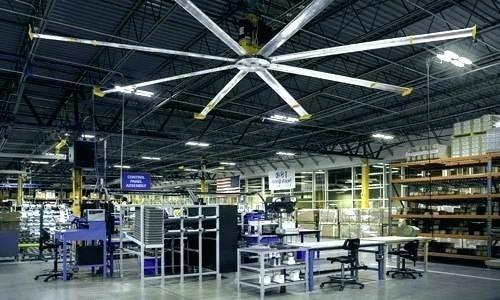
Warehouses are essential hubs for storage, logistics, manufacturing support, and distribution. However, managing indoor climate conditions in these large spaces is often challenging. High ceilings, wide floor areas, and constant movement of goods and machinery can lead to poor airflow, heat buildup, humidity problems, and uneven temperatures.
These issues not only affect worker comfort but also increase energy consumption and operational costs. One of the most effective solutions for improving warehouse environments is the use of industrial ceiling fans.
Industrial ceiling fans are designed to move large volumes of air slowly and efficiently across expansive spaces. They improve ventilation, support temperature control, and help reduce dependence on expensive heating and cooling systems.
Improved Ventilation Across Large Warehouse Spaces
Warehouses often suffer from stagnant air due to their size and structure. Without proper airflow, certain areas become hot and stuffy while others remain cooler, creating an uncomfortable and inefficient working environment.
Industrial ceiling fans continuously circulate air throughout the warehouse, eliminating dead zones and improving overall ventilation. The steady airflow ensures that fresh air is evenly distributed across all sections of the facility.
Better ventilation creates a healthier and more comfortable workspace for employees while improving overall operational efficiency.
Better Temperature Control in All Seasons
Temperature imbalance is a common issue in warehouses. During summer, heat tends to accumulate near the roof, while in winter, warm air rises and gets trapped above the working zone.
Industrial ceiling fans help regulate temperature by redistributing air throughout the space. This process, known as air destratification, pushes warm air down during colder months and improves cooling efficiency during warmer months.
As a result, warehouses maintain more stable and comfortable indoor temperatures throughout the year.
Reduced Energy Consumption
Heating and cooling large warehouse facilities requires significant energy. HVAC systems often work harder to maintain consistent temperatures in spaces with high ceilings and wide layouts.
Industrial ceiling fans help reduce this energy demand by improving natural air circulation. In warm weather, the airflow creates a cooling effect, allowing businesses to increase thermostat settings without sacrificing comfort. In colder seasons, they help distribute heated air more efficiently, reducing heating requirements.
This reduction in HVAC workload leads to lower electricity usage and significant cost savings over time.
Enhanced Employee Comfort and Productivity
Employee comfort is directly linked to productivity and performance. Poor ventilation, excessive heat, and stagnant air can lead to fatigue, discomfort, and reduced focus.
Industrial ceiling fans create a continuous airflow that helps employees feel cooler and more comfortable throughout their shifts. The moving air supports natural body cooling through evaporation, improving comfort without changing actual temperature.
When workers feel more comfortable, they tend to be more productive, efficient, and less prone to fatigue.
Improved Air Quality and Health Conditions
Warehouses often contain dust, machinery emissions, packaging materials, and other airborne particles. Without proper ventilation, these contaminants can accumulate and affect air quality.
Industrial ceiling fans help improve indoor air quality by continuously circulating air and reducing the buildup of dust, odors, and humidity. This creates a cleaner and healthier working environment.
Better air quality can also reduce respiratory discomfort and support overall employee well-being.
Reduced Heat Stress and Safety Risks
Heat stress is a serious concern in warehouse environments, especially during hot seasons or in facilities with heavy machinery.
Industrial ceiling fans help reduce heat stress by maintaining consistent airflow across the workspace. This helps workers stay cooler, more alert, and less fatigued during physically demanding tasks.
Improved airflow also reduces moisture buildup on floors, lowering the risk of slips and workplace accidents.
Lower HVAC System Strain and Maintenance Costs
Because industrial ceiling fans improve air distribution, HVAC systems do not need to work as hard to maintain comfortable conditions. This reduces wear and tear on heating and cooling equipment.
Lower strain on HVAC systems can result in fewer breakdowns, reduced maintenance costs, and longer equipment lifespan.
By supporting HVAC performance, ceiling fans contribute to a more efficient and cost-effective climate control system.
Moisture and Humidity Control
Humidity and condensation can create problems in warehouses, including product damage, mold growth, and slippery surfaces.
Industrial ceiling fans help regulate humidity by improving airflow and encouraging evaporation. This keeps the environment drier and reduces the risk of moisture-related damage.
Proper humidity control is especially important for warehouses storing electronics, food products, paper goods, or sensitive materials.
Cost-Effective Long-Term Solution
Compared to large-scale air conditioning systems, industrial ceiling fans offer a much more affordable solution for improving warehouse climate conditions.
They consume relatively low energy while providing wide-area airflow coverage. Their durability and low maintenance requirements make them a long-term investment with strong return value.
For many warehouses, they provide an ideal balance between performance and cost efficiency.
Eco-Friendly Operation
Sustainability is becoming increasingly important in modern industrial operations. Industrial ceiling fans support eco-friendly practices by reducing energy consumption and lowering carbon emissions.
By decreasing reliance on HVAC systems, they help warehouses operate more sustainably while still maintaining comfortable indoor conditions.
This makes them a smart choice for businesses aiming to improve environmental performance.
Versatile Applications in Warehouses
Industrial ceiling fans can be used in various warehouse environments, including:
- Storage warehouses
- Distribution centers
- Cold storage facilities
- Fulfillment centers
- Manufacturing warehouses
- Logistics hubs
Their adaptability makes them suitable for nearly any large-scale indoor storage or operational space.
Conclusion
industrial ceiling fans for warehouses need industrial ceiling fans to maintain proper ventilation, reduce energy costs, and improve overall working conditions. By enhancing airflow, balancing temperatures, and reducing HVAC dependency, these fans create more efficient and comfortable environments.
They not only improve employee productivity and safety but also deliver long-term energy savings and operational benefits. For warehouses seeking a cost-effective and reliable climate control solution, industrial ceiling fans are an essential investment.

 English