
Pokémon Card Collecting 101: Everything You Need to Know Before Buying
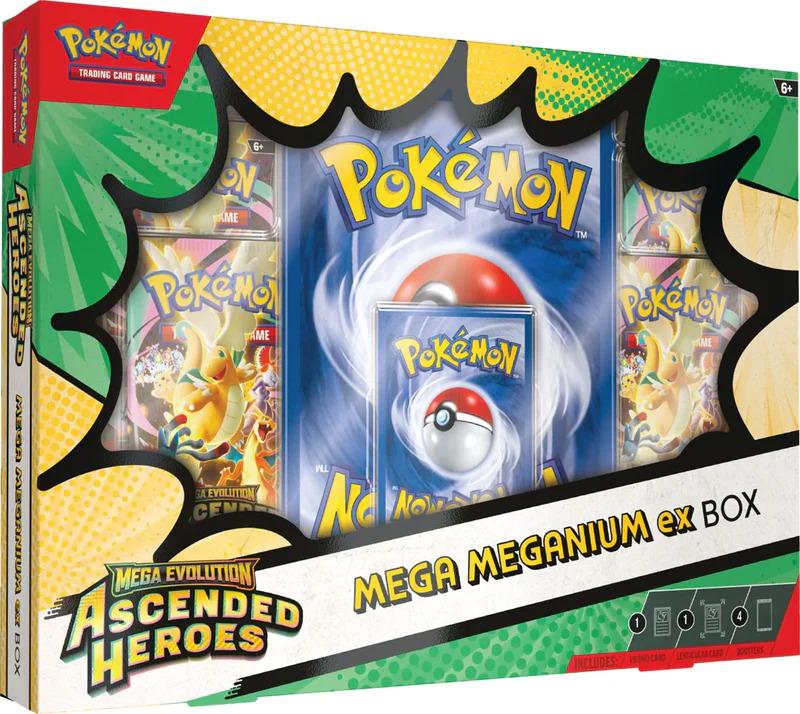
So you want to get into Pokémon cards. Maybe you saw someone pull a crazy rare card on YouTube. Maybe you heard about that $16.5 million Pikachu card and thought — wait, people actually make money from this? Or maybe you just grew up watching Pokémon and feel like it's finally time to get back into it.
Whatever the reason, welcome. You're in the right place.
This guide is for complete beginners. No confusing terms. No assumptions that you already know stuff. Just everything you actually need to know before you spend a single dollar on Pokémon cards.
First Things First — What Even Is the Pokémon TCG?
TCG stands for Trading Card Game. Pokémon cards have been around since 1996 — that's 30 years. The game was created in Japan and spread to the rest of the world fast because the Pokémon anime and video games were already massive.
The basic idea of the card game is simple. You build a deck of 60 cards, you battle your opponent, and you try to knock out their Pokémon by dealing damage. But you don't have to play the game at all to enjoy collecting. Millions of people collect Pokémon cards purely for the art, the nostalgia, or the investment value — and never play a single match.
So whether you want to play or just collect, there's a place for you in this hobby.
Understanding the Different Types of Cards
Before you buy anything, you need to understand what kinds of cards exist. Not all Pokémon cards are equal — not even close.
Common cards have a circle symbol at the bottom right. These are the most basic cards in any set. They're easy to pull and usually worth very little. Think 10 to 50 cents each.
Uncommon cards have a diamond symbol. Still pretty easy to find, worth a little more than commons but still usually under a dollar.
Rare cards have a star symbol. These start getting interesting. A regular rare might be worth $1 to $5. But there are many levels above regular rare.
Holo rares are rare cards with a shiny, reflective background. The Pokémon image sparkles when you tilt the card. These are worth more — usually $5 to $30 depending on the Pokémon.
Ultra rares include cards like Full Art cards, V cards, VMAX cards, and ex cards. These are the ones that make people excited when they pull them. Values range from $10 to $200+.
Special Illustration Rares (SIRs) are the most sought-after modern cards. They have unique, hand-drawn style artwork that covers the entire card — no border. These are pulled maybe once every 90 to 540 packs. Values start around $50 and go well into the hundreds.
Secret rares go beyond the official set number. They include gold cards, rainbow cards, and other special versions. Highly collectible.
Vintage holos from the original sets (1999–2003) are in a category of their own. A 1st Edition Charizard from the Base Set in perfect condition is worth $550,000. Yes, really.
What Do All These Set Names Mean?
Every Pokémon card belongs to a set. A set is basically a collection of cards released together at one time — kind of like an album of music. Each set has a name, a logo, and a specific number of cards.
Some sets you'll hear about all the time right now:
Scarlet & Violet (SV) is the current main series. It started in 2023 and is still going strong in 2026. Cards from this era use the ex mechanic.
Scarlet & Violet 151 (SV151) brought back the original 151 Pokémon in modern form. Charizard, Mewtwo, Pikachu — all of them. This is one of the most beloved modern sets.
Sword & Shield was the series before Scarlet & Violet, from 2020 to 2023. Cards from this era use V, VMAX, and VSTAR mechanics. Some of the most valuable modern cards come from here.
Prismatic Evolutions is one of the biggest sets of 2026 so far. Features Eevee and all its evolutions. Sold out almost everywhere.
Destined Rivals released May 2026 and features Mega Lucario ex.
Base Set from 1999 is the original. The granddaddy. Cards from here are called vintage and are worth serious money in good condition.
When you're buying cards, always check which set they come from. The set affects the value.
What Is a Booster Pack?
A booster pack is the basic unit of Pokémon cards. You buy a sealed pack, you open it, and you get a random selection of cards — usually 10 cards per pack. Most packs cost around $5 to $6 at retail.
Here's what a typical modern booster pack contains:
- 1 reverse holo card (any common or uncommon card with a shiny background)
- 1 rare card or higher (this is the exciting slot — could be a regular rare or something amazing)
- Several common and uncommon cards
The rare slot is what people are chasing. Most of the time you'll get a regular rare or a holo rare. But every so often — maybe 1 in 30 packs, maybe 1 in 100 — you pull something really special.
That unpredictability is part of what makes opening packs exciting. It's also what makes it feel like gambling, so be careful about how much you spend on packs just for the thrill of opening them.
What Are the Different Products You Can Buy?
Pokémon products come in many formats. Here's what each one is:
Booster packs — Single packs, usually $5–6 each. Lowest entry point. Good for trying a set without committing much money.
Booster bundles — Usually 6 packs bundled together at a small discount. A nice middle-ground option.
Elite Trainer Box (ETB) — The most popular product for collectors. Comes with 9 packs plus sleeves, dice, damage counters, and a storage box. Usually $50–60 at retail. Great value.
Booster boxes — 36 packs in one box. The serious collector's buy. Usually $140–180 at retail. Guarantees more pulls but still random.
Collection boxes and tins — Usually include 4–6 packs plus an exclusive promo card. Good for casual buyers or gift ideas.
Starter decks — Ready-to-play 60-card decks for people who want to actually play the game. Not for pulling rare cards — they have fixed contents.
For a beginner, the Elite Trainer Box is usually the best first purchase. You get a good amount of packs, plus all the accessories you need to store and play with your cards.
Buying Singles vs. Opening Packs
This is one of the most important things to understand early. There are two ways to get specific Pokémon cards.
Opening packs means buying sealed products and hoping to pull what you want. It's fun and exciting, but it's expensive if you're chasing specific cards. The odds are never in your favor. Statistically, buying singles is almost always cheaper than trying to pull the card you want from packs.
Buying singles means buying individual cards directly — from a store, online marketplace, or another collector. If you want a specific card, just buy that card. Simple. You know exactly what you're getting and exactly what it costs.
If you're collecting for fun and love the opening experience, packs are great. If you're trying to build a specific collection or get a particular card, buy singles. Most experienced collectors do both.
What Does PSA Grade Mean?
PSA stands for Professional Sports Authenticator. They're a company that grades trading cards — including Pokémon cards — by giving them a score from 1 to 10 based on condition.
PSA 10 is a perfect card. No scratches, no edge wear, perfectly centered. These are the most valuable versions of any card.
PSA 9 has very minor flaws — maybe very slightly off-center or a tiny surface imperfection. Still very good, still valuable.
PSA 7 or below usually means visible damage — scratches, bends, heavy edge wear.
Why does grading matter? Because a PSA 10 card can be worth 5 to 10 times more than the same card ungraded or in poor condition. Serious collectors and investors get their best cards graded. It also confirms the card is real, not a fake.
Grading costs around $15 to $50 per card depending on the service speed. It's only worth doing for cards that are genuinely valuable and already in near-perfect condition.
How to Spot Fake Pokémon Cards
Fake Pokémon cards are a real problem in 2026. There are millions of counterfeits out there and some of them look surprisingly good at first glance. Here's how to spot them:
The light test. Hold the card up to a light source. A real Pokémon card has a dark layer in the middle — it blocks light. Fake cards are usually lighter and more see-through.
The feel test. Real Pokémon cards feel a specific way — slightly stiff, smooth, with a consistent texture. Fakes often feel too flimsy, too thick, too glossy, or just slightly wrong.
The font and text. Look at the card text closely. Real cards have crisp, perfectly printed text. Fakes often have slightly blurry or incorrectly spaced fonts.
The color. Real cards have rich, accurate colors. Fakes sometimes look slightly off — too bright, too dull, or with wrong shades.
The HP and attack numbers. On fake cards, these are sometimes wrong or use the wrong font style.
Buy from trusted sources. The safest way to avoid fakes is to buy from reputable stores, verified online sellers, or directly from Pokémon Center. If a deal seems too good to be true, it probably is.
What Should a Complete Beginner Actually Buy First?
Here's a simple starting plan depending on your budget and goal.
If you have $20–30 and just want to try it out — buy a booster bundle of a current set like Destined Rivals or SV151. Open the packs, see what you get, feel out whether you enjoy it.
If you have $50–60 and want a proper starter experience — buy an Elite Trainer Box. You get 9 packs, sleeves to protect your cards, and everything you need to get started properly.
If you have $100–150 and want to start a real collection — buy an ETB plus a few singles of cards you actually love. Mixing pack opening with targeted singles buying is the smartest approach.
If you have $500+ and want to invest — look at sealed booster boxes of current popular sets (Destined Rivals, Prismatic Evolutions expansion) or start researching vintage cards with a trusted seller.
Whatever you buy, get sleeves immediately. Protect your cards from day one. A pack of penny sleeves costs $2 and can save you a lot of regret later.
The Golden Rules of Pokémon Card Collecting
Before you go, here are the most important rules that every collector — beginner or expert — should live by.
Always sleeve your cards immediately after pulling them. Never leave good cards raw.
Buy what you love, not just what's trending. Trends change. A Charizard you genuinely love will always feel worth it.
Do your research before spending big money. Check recent sold prices on secondary markets before buying any card over $20.
Never buy expensive cards without verifying they're real. Fakes are everywhere.
Start small and learn the market before going deep. The Pokémon TCG has a lot to learn and the best education is hands-on experience with affordable products first.
Have fun. Seriously. This hobby has millions of fans around the world for a reason. The cards are beautiful, the Pokémon are lovable, and the community is generally really welcoming to new collectors.
Final Thought
Pokémon card collecting in 2026 is one of the most exciting hobbies you can get into. The market is active, the products are gorgeous, and the community is huge. Whether you want to invest, collect beautiful artwork, relive your childhood, or just have fun opening packs on a Friday night — there's a version of this hobby that's perfect for you.
Start simple. Learn as you go. And enjoy every pack you open.
For more information
Instagram: kollect korner
Facebook: kollect korner
Contact email: support@kollectkorner.com

 Turkish