
Mechanical Seal Bearing Problems That Damage Equipment
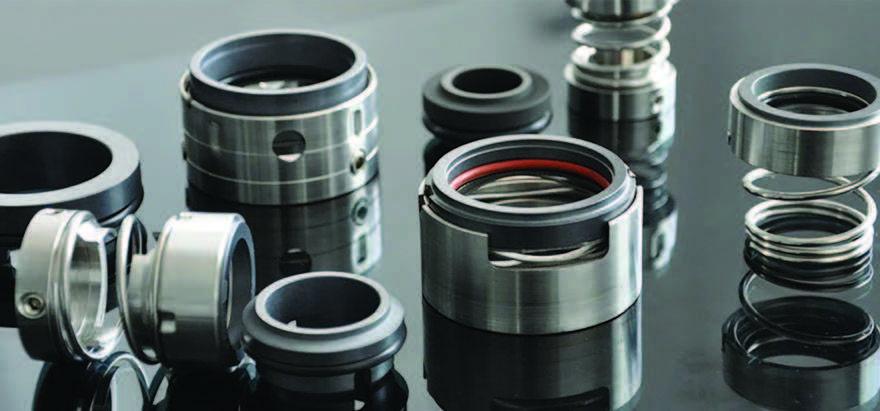
Mechanical seal bearings are critical components in industrial machinery, pumps, compressors, and rotating equipment. They help reduce friction, prevent fluid leakage, and maintain stable machine performance under demanding operating conditions. When these components function properly, industrial systems operate efficiently with minimal downtime and lower maintenance costs.
However, many businesses experience repeated leakage, overheating, vibration, and premature bearing failure without fully understanding the root causes behind the problem. In most cases, the issue develops gradually due to poor maintenance practices, incorrect installation, contamination, or excessive operating stress.
Ignoring these warning signs can lead to severe equipment damage, production delays, and expensive operational losses. Understanding why mechanical seal bearing systems fail is essential for improving reliability and extending machinery lifespan.
Poor Installation Causes Early Seal Failure
Improper installation is one of the most common reasons mechanical seal bearing systems fail prematurely. Even high-quality components can experience rapid wear if installed incorrectly.
Many failures occur because technicians apply uneven pressure during assembly or fail to align rotating components properly. Misalignment creates continuous stress between the seal faces and bearing surfaces, increasing friction during operation.
Common installation mistakes include:
- Incorrect shaft alignment
- Improper tightening pressure
- Damaged seal faces during handling
- Using contaminated installation tools
- Ignoring manufacturer tolerances
These errors often lead to leakage, abnormal vibration, and overheating shortly after startup.
Professional installation procedures and alignment verification are critical for maintaining long-term seal and bearing performance.
Contamination Damages Internal Components
Industrial environments expose machinery to dust, moisture, chemical particles, and metal debris daily. When contaminants enter the mechanical seal bearing assembly, they damage internal surfaces and reduce sealing efficiency.
Contamination can scratch seal faces, damage rolling elements, and increase friction levels inside the bearing system. Over time, this creates leakage problems and accelerates wear throughout the machinery.
Even microscopic contaminants can reduce operational stability significantly.
Businesses operating in harsh industrial conditions should prioritize contamination control through:
- Proper sealing systems
- Clean maintenance procedures
- Regular inspections
- Filter monitoring
- Controlled lubrication practices
Preventing contamination early is far more cost-effective than replacing damaged equipment later.
Improper Lubrication Increases Friction
Lubrication plays a major role in protecting both bearings and mechanical seals from excessive friction and heat buildup. Without proper lubrication, metal surfaces begin making direct contact during operation.
This often results in:
- Rising operating temperatures
- Increased vibration
- Surface wear
- Leakage problems
- Reduced equipment efficiency
Some maintenance teams mistakenly assume that adding more lubricant always improves performance. In reality, over-lubrication can create additional pressure inside the housing and damage seals.
Using the correct lubricant type and following proper lubrication intervals are essential for stable machinery operation.
Excessive Heat Weakens Seal Performance
Mechanical seal bearings operate under continuous thermal stress. When operating temperatures exceed recommended limits, seals and bearing materials begin deteriorating rapidly.
Excessive heat may develop because of:
- High rotational speeds
- Insufficient lubrication
- Heavy operating loads
- Poor ventilation
- Friction caused by misalignment
As temperatures rise, lubricants lose effectiveness and seal materials become less stable. This often leads to leakage, internal wear, and premature component failure.
Temperature monitoring systems help maintenance teams detect abnormal operating conditions before major damage occurs.
Shaft Misalignment Creates Continuous Stress
Shaft misalignment is another hidden issue that significantly affects mechanical seal bearing performance. When rotating shafts are not aligned properly, uneven pressure develops across the seal faces and bearing surfaces.
This creates continuous operational stress that increases:
- Friction levels
- Seal wear
- Vibration
- Heat generation
- Rotational instability
Misalignment can also shorten the service life of nearby components such as couplings, motors, and pumps.
Modern industrial facilities often use laser alignment systems to improve machinery accuracy and reduce long-term maintenance costs.
Vibration Often Signals Deeper Mechanical Issues
Unusual vibration is one of the earliest warning signs of mechanical seal bearing failure. Bearings and seals are designed to operate smoothly with minimal movement resistance.
When vibration increases, it usually indicates internal wear, imbalance, contamination, or alignment problems.
If ignored, vibration-related damage can spread throughout the machinery system and create larger operational failures.
Routine vibration analysis allows maintenance teams to identify developing issues before unexpected breakdowns occur. This preventive approach helps reduce downtime and improve equipment reliability.
Heavy Loads Reduce Component Lifespan
Mechanical seal bearings used in heavy-duty industrial applications often operate under high pressure and continuous load conditions. When machinery exceeds design limits, internal stress increases rapidly.
Overloading may cause:
- Surface fatigue
- Cracking
- Excessive heat
- Lubrication breakdown
- Premature seal wear
Many businesses unintentionally overload equipment after increasing production demands without upgrading supporting mechanical systems.
Choosing the correct mechanical seal bearing configuration for actual operating conditions is critical for maintaining long-term reliability.
Preventive Maintenance Reduces Downtime
One of the biggest reasons industrial facilities experience repeated seal and bearing failures is inconsistent maintenance planning. Waiting for visible leakage or equipment shutdown before taking action often increases repair costs significantly.
Preventive maintenance strategies help businesses identify small problems before they become major operational disruptions.
Effective maintenance programs commonly include:
- Temperature monitoring
- Lubrication inspections
- Alignment checks
- Vibration analysis
- Seal condition assessments
These practices improve machinery lifespan while reducing emergency repair situations.
For industries where uptime directly impacts profitability, preventive maintenance provides both operational and financial advantages.
Why High-Quality Components Matter
Not all mechanical seal bearing systems deliver the same level of durability. Low-quality materials and poor manufacturing tolerances often lead to inconsistent performance under demanding operating conditions.
Reliable industrial components are engineered to withstand continuous pressure, high temperatures, and heavy rotational loads. Strong sealing systems and precision manufacturing help improve operational stability and reduce maintenance frequency.
Businesses that prioritize high-quality components often experience lower downtime costs and improved equipment efficiency over the long term.
Conclusion
Mechanical seal bearing failures usually develop because of contamination, poor lubrication, excessive heat, shaft misalignment, or improper installation practices. These problems often begin as small operational issues but can quickly escalate into serious equipment damage if ignored.
Businesses that focus on preventive maintenance, proper installation procedures, and high-quality component selection can significantly improve machinery reliability and reduce operational disruptions.
In modern industrial environments, identifying mechanical seal bearing issues early is essential for maintaining productivity, lowering repair costs, and extending equipment lifespan.

 Turkish