Landslides are among the most destructive natural hazards affecting mountainous regions, mining zones, highways, railways, and construction sites. Every year, unstable slopes and sudden ground movement cause significant damage to infrastructure, disrupt transportation, and threaten human lives. To reduce these risks, industries and governments are increasingly adopting remote landslide monitoring with industrial devices as a reliable and intelligent safety solution.
Modern industrial monitoring systems allow organizations to track terrain conditions in real time, identify warning signs early, and respond quickly before disasters occur.
Why Landslide Monitoring Matters
Landslides can develop slowly over time or happen suddenly after heavy rainfall, earthquakes, excavation work, or soil erosion. In many cases, small ground movements appear long before a major collapse occurs. Detecting these early signs is critical for preventing accidents and minimizing damage.
Traditional monitoring methods often involve manual inspections and periodic surveys, which may not provide enough data for timely decisions. Remote monitoring systems solve this challenge by delivering continuous, automated observation of high-risk areas.
What Is Remote Landslide Monitoring?
Remote landslide monitoring is the use of industrial sensors and connected technologies to observe slope conditions from a distance. These systems collect and transmit data continuously to centralized platforms, where engineers and safety teams can analyze conditions in real time.
Industrial devices are specifically designed for harsh environments and can operate reliably in remote outdoor locations under extreme weather conditions.
Core Technologies Used in Monitoring Systems
Ground Movement Sensors
Industrial tilt meters and inclinometers measure changes in slope angle and soil displacement. These devices help identify slow-moving terrain before it becomes dangerous.
GPS and GNSS Monitoring
High-precision positioning systems track land movement with exceptional accuracy. Even tiny shifts in terrain can be detected and analyzed over time.
Weather and Rainfall Sensors
Heavy rainfall is one of the leading causes of landslides. Industrial weather stations monitor rainfall intensity, humidity, and temperature to help predict hazardous conditions.
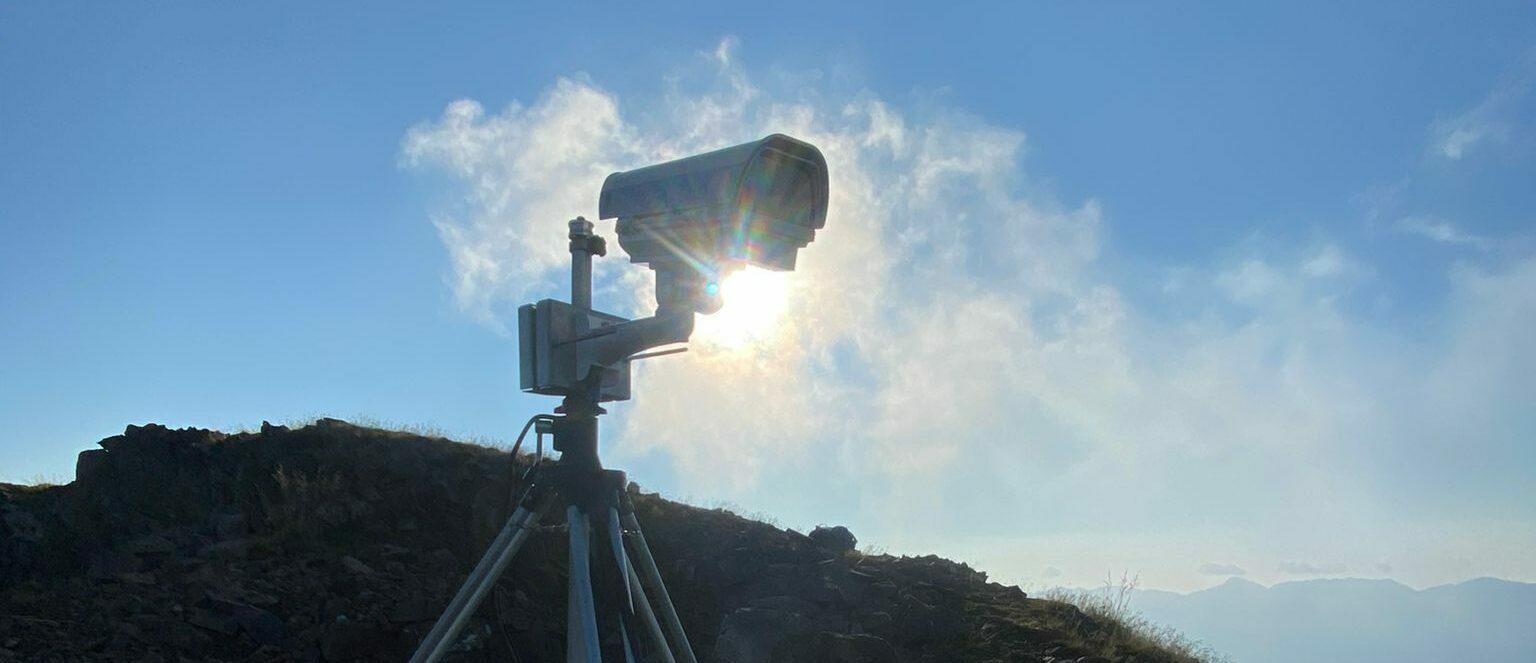
Remote Surveillance Cameras
Industrial cameras provide live visual monitoring of slopes, excavation zones, and retaining structures. Combined with AI-based analytics, cameras can automatically detect cracks, erosion, and abnormal terrain activity.
IoT Connectivity and Cloud Platforms
Modern monitoring systems use IoT technology to send sensor data directly to cloud-based dashboards. This enables remote access, automated alerts, and centralized monitoring from anywhere in the world.
Major Benefits of Industrial Landslide Monitoring
Early Warning and Prevention
Real-time monitoring helps detect warning signs before a landslide occurs, allowing authorities to take preventive action quickly.
Increased Worker Safety
Remote systems reduce the need for workers to enter unstable or hazardous locations for inspections.
Continuous 24/7 Monitoring
Industrial devices operate around the clock, providing uninterrupted surveillance regardless of weather conditions.
Reduced Infrastructure Damage
Early detection minimizes risks to roads, bridges, railways, tunnels, and industrial facilities located near unstable terrain.
Data-Driven Decision Making
Historical and real-time data help engineers understand slope behavior and improve long-term risk management strategies.
Industries That Benefit from Remote Landslide Monitoring
Remote monitoring systems are widely used in:
- Mining and quarry operations
- Railway and highway projects
- Construction and excavation sites
- Dams and reservoirs
- Oil and gas infrastructure
- Smart city and public safety projects
These industries depend on accurate terrain monitoring to maintain operational safety and avoid costly disruptions.
The Role of Automation and AI
Artificial intelligence is becoming an important part of modern landslide monitoring systems. AI algorithms can analyze sensor data, identify abnormal movement patterns, and generate predictive alerts automatically.
When combined with industrial IoT devices, AI-powered monitoring improves response times and helps organizations prevent disasters before they occur.
Conclusion
Remote landslide monitoring with industrial devices is revolutionizing the way industries and governments manage slope stability and disaster prevention. By using advanced sensors, real-time data collection, and intelligent monitoring platforms, organizations can detect risks earlier, improve safety, and protect critical infrastructure.
As environmental challenges continue to grow, investing in reliable remote monitoring technology is becoming essential for safer and more resilient operations
Website = https://avacam.io/en/


 Turkish