
Leather Biker Jacket: More Than Clothing, A Designed Attitude
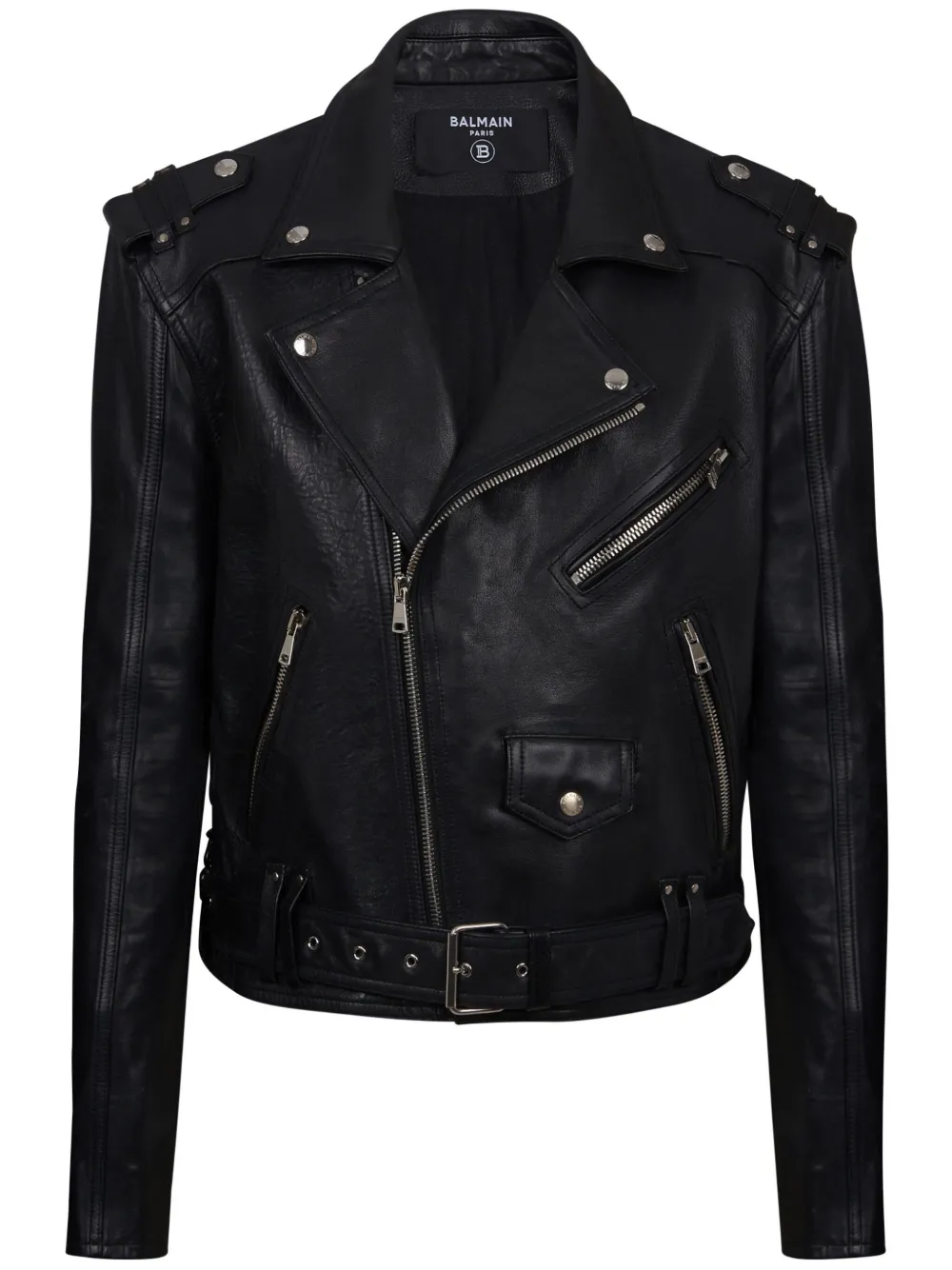
The Leather Biker Jacket is one of those rare garments that carries meaning beyond its material. It is not just worn for warmth or protection—it communicates identity, attitude, and a certain refusal to blend into the background. Few clothing items have crossed so deeply from function into cultural symbolism while still retaining their original purpose.
What makes it interesting is not that it changed over time, but that it didn’t need to change much at all.
Origin Rooted in Function, Not Fashion
Before it became associated with fashion and lifestyle branding, the biker jacket was a practical solution to a real problem. Early motorcycle riders needed protection from wind, debris, and road exposure. Standard coats were too loose, too fragile, or too impractical for riding at speed.
The leather biker jacket solved this through structure. Thick leather acted as a natural barrier against abrasion, while the fitted cut reduced wind resistance. Zippers and asymmetrical closures weren’t design experiments—they were functional choices to improve riding comfort and safety.
Its visual identity came directly from those constraints. Nothing about it was accidental.
Why Leather Defines the Experience
Leather is not just a stylistic choice in this jacket—it is the foundation of its purpose. Unlike synthetic materials that prioritize lightness or flexibility, leather introduces density and resistance.
This matters because the biker jacket is meant to interact with external force. Wind pressure, movement, and friction all influence how it performs. Leather responds differently over time—it softens, adapts, and develops texture based on use.
That aging process is part of its appeal. Instead of degrading, it evolves. Each crease or fade becomes a record of wear, giving the jacket a personal history that factory-finished garments rarely achieve.
The Cut That Creates Its Identity
One of the most recognizable aspects of the Leather Biker Jacket is its structure. It is typically short, fitted at the waist, and shaped to stay close to the body. This isn’t just aesthetic—it’s functional.
A shorter cut prevents the jacket from interfering with riding posture. It avoids bunching when seated and reduces resistance while moving. The angled zipper design, often referred to as asymmetrical closure, also helps block wind when leaning forward.
Even the wide lapels serve a dual purpose. Originally designed to be fastened up for protection, they now contribute to the jacket’s visual edge.
From Road Gear to Cultural Symbol
At some point, the biker jacket stopped being just motorcycle equipment and became something larger. It entered films, music culture, and street fashion. But what’s important is that its meaning didn’t replace its function—it layered on top of it.
It became associated with independence, rebellion, and nonconformity. Not because of marketing campaigns, but because of who wore it and how it was used in public life. It naturally aligned with subcultures that valued individuality over structure.
Unlike many fashion items that are rebranded over time, the biker jacket didn’t need reinterpretation. It already carried visual authority.
Why It Still Works in Modern Style
Despite decades of fashion evolution, the Leather Biker Jacket has not lost relevance. One reason is its simplicity. It doesn’t rely on trends, patterns, or seasonal redesigns. Its strength comes from proportion and material.
It works across different style contexts:
-
Paired with denim for a classic casual look
-
Combined with minimalist outfits for contrast
-
Layered over more structured clothing for visual tension
Its adaptability doesn’t come from flexibility in design, but from neutrality in function. It doesn’t demand a specific styling direction—it responds to the wearer.
The Balance Between Structure and Comfort
While leather is naturally rigid at first, a well-worn biker jacket becomes significantly more comfortable over time. This transition is important. It starts as protective gear and gradually becomes a second skin.
However, this comfort does not come instantly. New jackets often feel stiff, and that stiffness is part of the process. It ensures durability before adaptability. Over time, movement shapes the jacket more than manufacturing does.
This interaction between body and material is one of the reasons it remains distinct from other outerwear.
A Garment That Doesn’t Depend on Reinvention
Most clothing items require periodic redesign to stay relevant. Cuts change, fabrics evolve, and silhouettes are updated. The Leather Biker Jacket resists that cycle.
Its design has remained largely consistent for decades because it was already resolved early in its development. There was little left to improve without changing its identity entirely.
That stability is rare in fashion, where constant change is often expected.
Conclusion
The Leather Biker Jacket is not defined by trends or seasonal relevance. It is defined by structure, material, and purpose. What began as protective gear for riders evolved into a cultural symbol without losing its original function.
Its lasting presence is not the result of reinvention, but of endurance. It continues to exist in modern wardrobes because it was designed with clarity from the beginning—and that clarity still holds up today.

 English