
How Can You Design The Ultimate Low-Maintenance Garden?
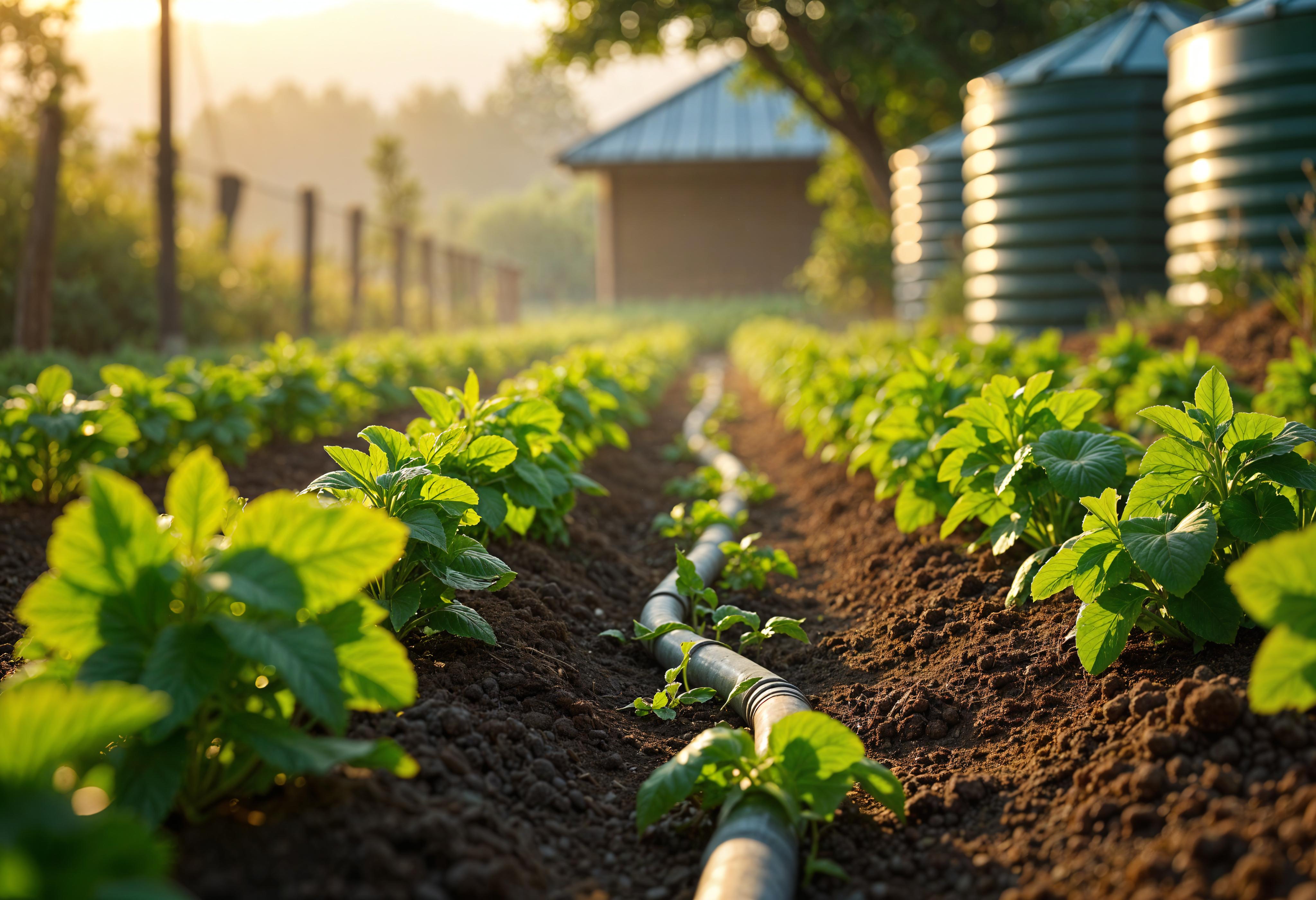
Stepping out into a lush, vibrant backyard shouldn't feel like walking into a second job. For many homeowners in 2026, the dream of a perfect landscape often clashes with the reality of a busy schedule. We want the greenery, the blooming flowerbeds, and the crisp lawn, but we don't always have the hours to stand around holding a hose at dawn. This is where modern technology steps in to save the day. By shifting from manual watering to a synchronized, automated approach, you can actually spend your weekends enjoying the shade rather than worrying about dry patches.
The Evolution Of The Modern Garden Irrigation System
A decade ago, watering the grass was a bit of a guessing game. You’d throw a plastic oscillator on the lawn, hope for the best, and usually end up with a soggy sidewalk and a dry corner. Today, the approach is much more surgical. A well-designed irrigation system acts like the circulatory system of your property. It delivers the exact amount of moisture needed to specific zones, ensuring that a thirsty bed of hydrangeas doesn't get the same treatment as a drought-tolerant patch of succulents.
Recent industry data suggests that households switching to smart irrigation see a reduction in water waste of nearly 40%. That is a massive difference, both for the environment and for your monthly utility bill. The beauty of a modern garden irrigation system lies in its set-and-forget nature. With rain sensors and soil moisture probes now becoming standard features, these systems can actually skip a cycle if they sense a storm is brewing. It takes the guesswork out of the equation and keeps your plants in their happy zone year-round.
Why Pop-Up Sprinklers Are The Professional Choice
If you’ve ever walked across a high-end golf course or a pristine public park, you’ve likely seen the magic of disappearing hardware. They are the gold standard for residential lawns because they offer a clean, unobstructed look. When the water pressure kicks in, the heads rise to do their work. Once the timer finishes, they retract back into the ground, hiding safely away from lawnmowers and tripping feet.
But it isn't just about the aesthetics. Pop-up Sprinklers provide a much more consistent spray pattern than portable units. Because they are fixed in place, you can calibrate them to avoid spraying fences or wooden decks, which prevents rot and staining over time. In 2026, we are seeing a rise in high-efficiency nozzles that produce larger water droplets. These larger drops are less likely to be blown away by a light breeze, meaning more water actually hits the soil instead of evaporating into thin air. It’s a small detail that makes a huge impact on the health of your turf.
Boosting Performance With A Reliable Sprinkler Pump
Sometimes, the water pressure coming from the street just isn't enough to get the job done. If you have a large property or your irrigation zones are uphill, you might notice that your spray heads barely have the strength to rise. This is a common frustration, but the fix is relatively straightforward. Installing a dedicated pump can provide that necessary surge of power to ensure every corner of your yard receives full coverage.
A high-quality sprinkler pump is especially important if you are drawing water from a secondary source, like a rainwater harvesting tank or a backyard well. These pumps are built to be rugged and weather-resistant, handling the start-stop cycles of an irrigation timer without burning out. Experts suggest that when you size your pump, you should always look for a model that offers a bit more head (vertical lift) than you think you need. Having that extra overhead prevents the system from straining and extends the lifespan of the motor significantly.
Balancing Beauty And Sustainability
Creating a beautiful garden shouldn't come at the cost of the planet's resources. As we move further into the decade, smart gardening is becoming the norm rather than the exception. People are moving away from the more is better philosophy. Instead, they are using data. By grouping plants with similar water needs together, a practice known as hydrozoning, you can maximize the efficiency of your hardware.
Furthermore, don't forget the importance of mulch. A thick layer of organic mulch in your flowerbeds helps retain the moisture your system provides, meaning you can run your zones for shorter periods. It’s about creating a synergy between your mechanical tools and your horticultural practices. When these elements work together, the result is a landscape that thrives even in the heat of mid-July.
Final Thoughts On Home Irrigation
Investing in your outdoor space is one of the best ways to increase your home's value and your own quality of life. Whether you are starting from scratch or retrofitting an old yard, the goal remains the same: efficiency. By choosing the right components and understanding the needs of your soil, you can build an oasis that is both stunning and sustainable. The technology is there, it's just a matter of putting it to work for you.
Frequently Asked Questions
How deep should irrigation pipes be buried in a residential yard?
Generally, you want your lateral lines to be about 8 to 12 inches deep. This protects them from the weight of foot traffic and prevents them from being nicked by an aerator or a shovel during light gardening. In colder climates, you must also ensure the system is properly winterized or blown out with air to prevent frozen pipes from bursting.
Can I mix different types of sprinkler heads in the same zone?
This is a common mistake that leads to uneven watering. Different heads, such as rotors and sprays, have different precipitation rates, meaning they put out water at different speeds. It is always best to keep the same type of head within a single zone so that the entire area receives a uniform soak.
What is the best time of day to run my sprinklers?
The golden window is between 4:00 AM and 9:00 AM. During this time, the air is cool and the wind is usually at its lowest. This ensures that the water doesn't evaporate before it hits the ground. Avoid watering at night, as leaving grass wet for 10 hours straight can invite fungal diseases.
How do I know if my pump is the right size for my system?
You need to calculate the Total Dynamic Head and the Gallons Per Minute (GPM) required by all the heads in your largest zone. If your pump's flow rate is too low, the heads won't pop up correctly. If it’s too high, you risk blowing out your fittings. Most manufacturers provide a pump curve chart to help you make this match.
Do modern irrigation systems require a lot of maintenance?
Surprisingly little, actually. Once a season, you should walk your yard while the system is running to check for clogged nozzles or heads that have been knocked out of alignment. Cleaning the filters and checking the timer battery once a year is usually enough to keep everything running smoothly for a decade or more.

 English