
Things People Always Get Wrong About Belly Fat (A Doctor Finally Explains)
Belly fat is the one thing most people say they want gone first. And it's also the one thing that seems to fight back the hardest. You cut calories. You do crunches. You try every trending diet. And yet, the stomach doesn't budge.
Most people think that's because they're not trying hard enough. But here's the thing. Belly fat, especially the deep kind around your organs, doesn't respond the same way as fat in other parts of your body. It's driven by hormones, stress chemicals, and underlying health factors that no amount of sit-ups can fix.
Dr. Alexander Heifitz has been treating patients for over 30 years, and he'll be the first to tell you, belly fat is a medical issue dressed up like a fitness problem. At NuPharmaLife, we see this every single day. And once patients understand what's actually driving it, everything changes.
What Is Belly Fat and Why Is It Different From Other Fat?
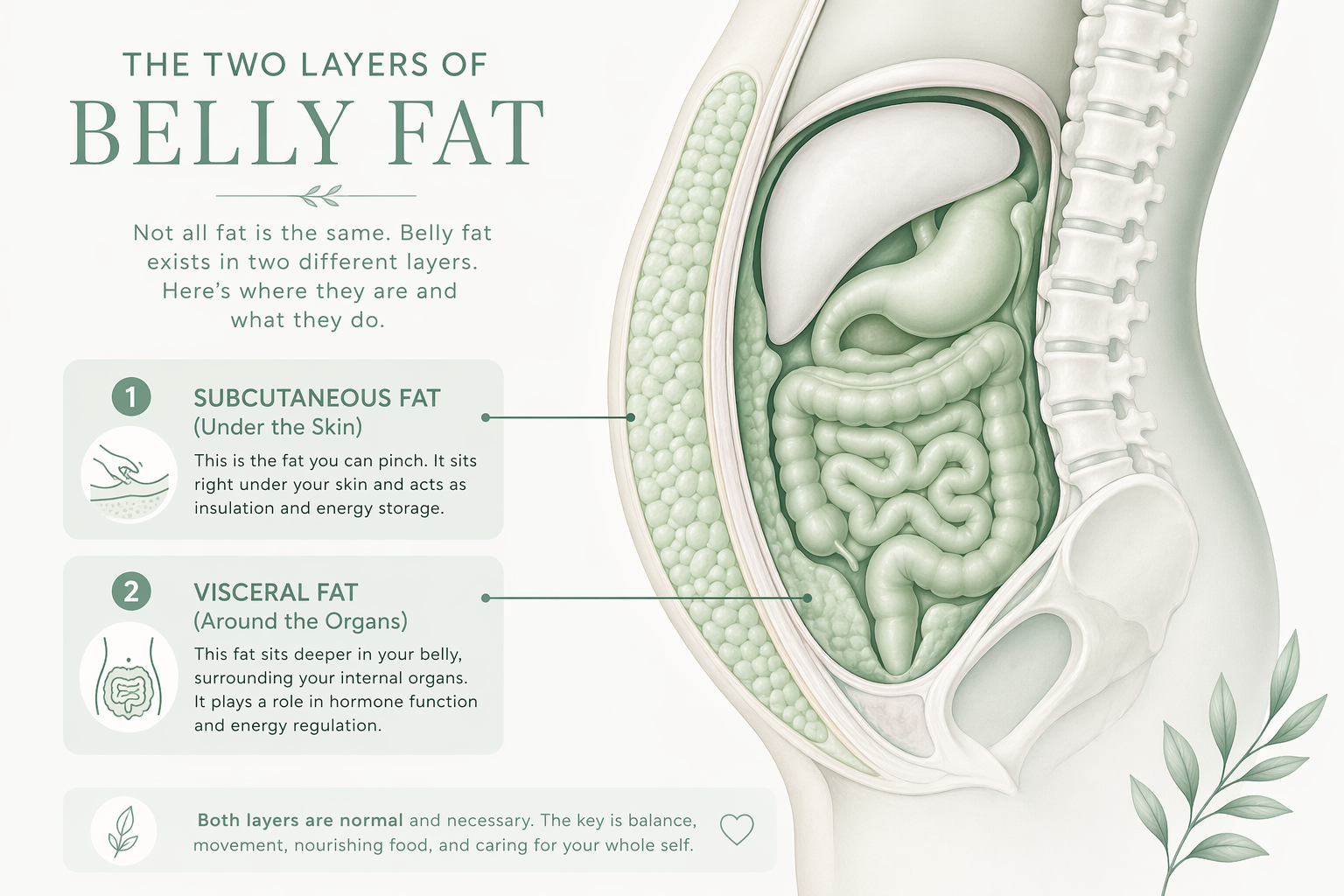
Not all fat is the same. There are two main types sitting in your belly area, and understanding them matters a lot.
Subcutaneous fat is the soft fat just under your skin. You can pinch it. It's annoying, but it's not the dangerous kind. Visceral fat is the deeper fat that wraps around your liver, intestines, and other organs. You can't see it or feel it, but it's the one doing the real damage.
Visceral fat is metabolically active. That means it releases chemicals and hormones that mess with your insulin levels, raise inflammation, and increase your risk of heart disease and type 2 diabetes. Losing it isn't just about looking better. It's about genuinely protecting your health.
So What Actually Causes Belly Fat to Build Up?
Is Cortisol the Real Problem?
Cortisol is your stress hormone. When you're stressed, your body releases it to give you energy to deal with whatever's going on. That's fine in short bursts. But when stress becomes chronic, cortisol stays elevated, and your body responds by storing fat in the belly. It's a survival mechanism, and it's incredibly hard to override without addressing the stress itself.
Here's what we see at NuPharmaLife a lot: patients who live busy, high-pressure lives and can't figure out why their belly fat won't go away even though they're eating clean and working out. When we look at their cortisol levels and overall stress patterns, the answer is usually right there.
Does Insulin Resistance Drive Belly Fat?
Yes, and this one is huge. Insulin is the hormone that helps your cells absorb sugar from your blood. When you eat refined carbs and sugar repeatedly over time, your cells can start to ignore insulin's signals. That's called insulin resistance. When that happens, your body produces more and more insulin trying to do its job, and one of the side effects is increased fat storage, especially in the belly.
The scary part? Millions of Americans are insulin-resistant and don't know it. It doesn't show up as obvious symptoms at first. But it can quietly drive belly fat growth for years before anyone connects the dots.
Could Your Hormones Be Shifting With Age?
As people hit their 30s, 40s, and beyond, hormone levels shift. In women, estrogen drops during perimenopause and menopause, which causes fat to redistribute toward the belly. In men, declining testosterone has the same effect. These aren't lifestyle failures. They're biological changes that require a different approach than just 'eat less and move more.'
Things People Always Get Wrong About Losing Belly Fat
Let's go through the biggest myths. Because honestly, a lot of common advice is making things worse, not better.
|
Belief |
Fact or Myth? |
What Doctors Actually Say |
|
Do more sit-ups to lose belly fat |
MYTH |
Spot reduction doesn't work. You can't target fat loss in one area through exercise alone. |
|
Belly fat is just from eating too much |
MYTH |
Cortisol, insulin resistance, and hormonal shifts all cause belly fat independent of calories. |
|
Cutting carbs removes belly fat fast |
PARTLY TRUE |
Reducing refined carbs helps, but without addressing the root hormonal cause, results are temporary. |
|
Stress causes belly fat |
TRUE |
High cortisol levels directly trigger fat storage in the abdominal area. This is well-documented. |
|
You need intense exercise to lose it |
MYTH |
Moderate, consistent activity combined with a medical plan works better than punishing workouts. |
|
Sleep has nothing to do with belly fat |
MYTH |
Poor sleep raises cortisol and hunger hormones, directly contributing to abdominal fat storage. |
That last myth about sleep trips people up the most. Poor sleep is one of the most underrated drivers of belly fat, and it's almost never talked about in diet culture conversations.
What Does a Medical Approach to Belly Fat Actually Look Like?
When you come to NuPharmaLife, you don't just get a generic diet plan. You get a doctor who actually investigates why the belly fat is there in the first place. That changes everything about how it's treated.
Here's what a proper medical approach covers:
-
Hormonal evaluation: Checking cortisol, insulin, thyroid, estrogen, and testosterone levels to find what's driving fat storage
-
Metabolic assessment: Understanding how your body processes food and energy so your plan works with your metabolism, not against it
-
Personalized nutrition plan: Not a generic meal plan. One built around your labs, lifestyle, and specific triggers
-
Medication support when needed: GLP-1 medications and other FDA-approved options that reduce visceral fat when appropriate
-
Stress and sleep guidance: Because cortisol and poor sleep are medical factors, not lifestyle excuses
-
Ongoing check-ins: The plan adjusts as your body responds. This isn't a one-and-done prescription
Can GLP-1 Medications Help With Belly Fat Specifically?
This is a question we get a lot. GLP-1 receptor agonists like semaglutide don't just help with overall weight. Research shows they specifically reduce visceral fat, the dangerous deep belly fat, more effectively than diet alone.
They work by regulating appetite hormones, slowing digestion, and improving insulin sensitivity. Over time, that combination addresses multiple root causes of belly fat at once. But they're not for everyone, and they work best as part of a larger plan with proper medical supervision.
A licensed physician at NuPharmaLife will evaluate whether this type of medication makes sense for your specific situation. The goal isn't to prescribe something and send you on your way. It's to build a plan that actually gets to the root of why your belly fat is there.
Here's the Bottom Line on Belly Fat
Belly fat is stubborn for a reason. It's not just about food. It's about hormones, stress, sleep, metabolic health, and sometimes medication. Treating it like a willpower problem is why so many people stay stuck.
The good news? Once you find out what's actually driving it, you can actually fix it. Not by punishing yourself with harder workouts and stricter diets, but by working with your body instead of fighting it.
That's exactly what the physicians at NuPharmaLife are here to help with. You can start your visit today at nupharmalife.com from home, get a real evaluation from a licensed US doctor, and finally understand what's been working against you all along.

 English