
Is Employee Monitoring Software Right for Your Team? A Comprehensive Guide
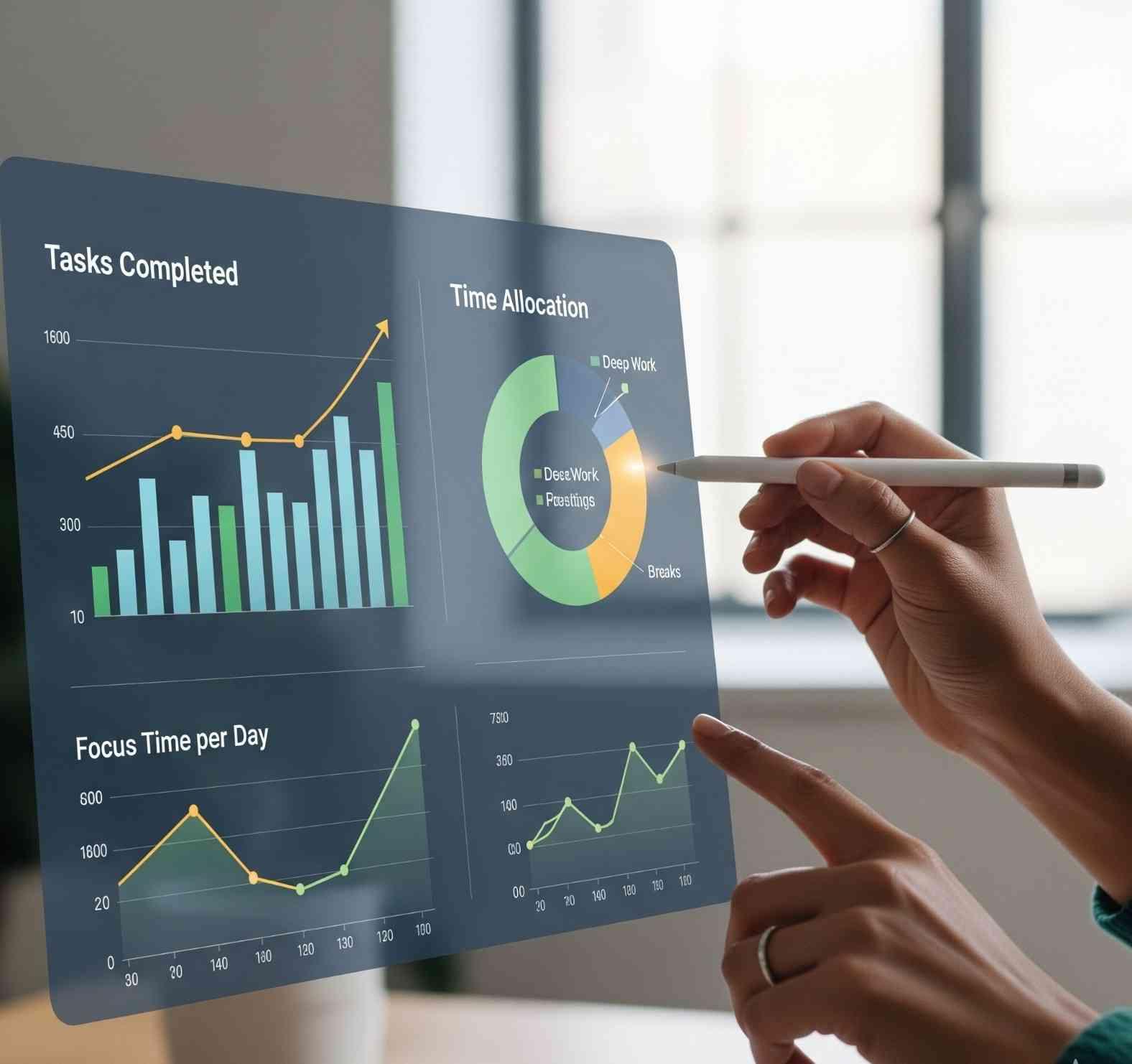
The modern workplace has undergone a radical transformation over the last few years, moving away from centralized offices toward a more fluid, digital environment. As remote and hybrid work models become the standard, many business owners are looking for ways to maintain visibility without sacrificing the culture of autonomy. This is exactly why the conversation around employee monitoring software has become so prevalent in boardrooms today. When people hear the term, they often think of strict oversight, but the reality of modern tools is much more nuanced. When used correctly, these platforms serve as a bridge that connects leadership’s need for data with an employee’s desire for a fair and organized workflow.
Implementing these systems is not about catching people in a mistake or counting every second they spend away from their desks. Instead, it is about gaining a deeper understanding of how work actually happens in a distributed team. By using employee monitoring software, managers can identify where processes are breaking down and where employees might be struggling with an overwhelming workload. In this guide, we will explore how to integrate these tools into your company in a way that prioritizes transparency, protects privacy, and ultimately drives collective success.
The Strategic Benefits of Workforce Visibility
One of the primary advantages of adopting a digital tracking system is the ability to move away from subjective performance reviews. In a traditional setting, managers often rely on presence bias, favoring those who are the most vocal in meetings or the first to arrive at the office. Modern tracking platforms level the playing field by providing objective data on task completion, active work hours, and application usage. This allows for a more meritocratic environment where quiet but highly productive contributors are recognized for their actual output rather than their visibility.
Beyond just measuring performance, these tools provide vital insights into project budgeting and resource allocation. If a creative team is consistently spending twice as long on a specific type of task as originally estimated, the software highlights that discrepancy. This data allows leadership to adjust client quotes, set more realistic deadlines, and prevent the burnout that occurs when teams are stretched too thin. It turns the nebulous concept of productivity into a tangible set of metrics that can be analyzed and improved over time.
Balancing Oversight with Employee Trust
The biggest hurdle to successfully using employee monitoring software is the potential for a breakdown in trust. If employees feel like they are being watched in secret, morale can plummet, leading to higher turnover rates. To avoid this, the implementation process must be handled with total transparency. Before any software is installed, leaders should hold open meetings to explain exactly why the tool is being introduced and what specific data points will be collected. When people understand that the goal is to optimize the workflow rather than to punish individuals, they are much more likely to embrace the change.
Privacy must remain a top priority in any monitoring strategy. The most effective systems are those that allow for clear boundaries between professional and personal time. For instance, many companies choose to only enable tracking during official work hours or allow employees to manually toggle the software on and off. By giving the team a level of control over the tool, you reinforce the idea that the software is a resource for their benefit. This collaborative approach transforms the narrative from surveillance to mutual support and professional growth.
Improving Operational Efficiency Through Data
When you look at the analytics provided by workforce analytics tools, you often find hidden patterns that were previously invisible to management. You might discover that your team is losing several hours a week to inefficient software or redundant administrative tasks. These insights allow you to make smarter investments in automation or better tools, freeing up your staff to focus on high impact work. For example, if the data shows that the entire marketing department spends Monday mornings manually sorting through data that could be automated, you have a clear business case for a new software solution.
Furthermore, these platforms help in identifying the superstars within your organization who have developed highly efficient workflows. By studying how these individuals manage their time and tools, you can create training programs that share those best practices with the rest of the team. This turns the tracking process into a continuous learning cycle where everyone has the opportunity to improve their skills and advance their careers based on proven data.
Conclusion
Choosing to integrate employee monitoring software into your business is a step toward a more organized and data driven future. It provides the clarity needed to lead remote and hybrid teams with confidence, ensuring that projects stay on track and that employees are supported. By focusing on transparency, setting clear boundaries, and using the gathered insights to improve the daily work experience, you can build a culture of high performance and mutual respect. The goal is to create a workplace where performance is visible, achievements are celebrated, and everyone is empowered to do their best work.
If you are ready to enhance your team's productivity and gain a better understanding of your digital operations, it is time to look at professional solutions. For a comprehensive approach to modern workforce management that balances results with team well being, explore the features of Staffviz. Take the next step toward a more efficient and accountable organization today.
Frequently Asked Questions
Is employee monitoring software legal in a remote work setting?
In most jurisdictions, it is legal to monitor employees during work hours on company owned equipment, provided there is a clear written policy. However, privacy laws vary significantly by state and country, so it is always best to consult with a legal professional and ensure your policies are clearly communicated to every staff member.
How do I prevent my team from feeling micromanaged?
The key is to use the data for high level insights rather than day to day policing. Focus on trends and project outcomes rather than individual bathroom breaks or minor distractions. When you use the software to remove obstacles for your team and recognize their hard work, they will view it as a helpful tool rather than a burden.
Can tracking software help with accurate client invoicing?
Absolutely. One of the most practical uses for this technology is capturing billable hours with precision. It reduces the risk of human error in manual timesheets and ensures that clients are billed fairly for the exact amount of work performed on their projects, which builds long term trust and transparency.
Does this software record private passwords or banking details?
Most reputable platforms are designed to avoid capturing sensitive personal information. They typically focus on application usage and time spent on specific URLs. It is important to choose a provider that offers granular privacy settings to exclude personal data from being recorded.
What is the difference between time tracking and employee monitoring?
Time tracking is usually a subset of monitoring that focuses specifically on hours worked for billing or payroll. Monitoring often includes broader data such as which applications are used, keyboard activity levels, or even screen captures to provide a more holistic view of the digital workday.
How long does it take to see results from these tools?
Most businesses begin to see actionable patterns within the first thirty days of implementation. This period allows the software to establish a baseline of normal activity, making it easier to identify significant deviations or areas where efficiency can be improved through better management.

 English