
PRP Hair Treatment in Dubai Explained by Dermatology Specialists
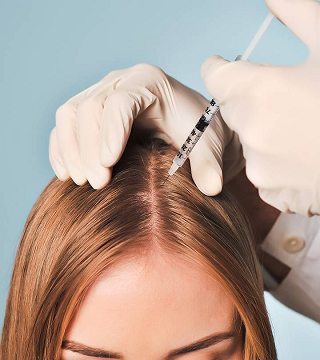
When searching for effective hair loss solutions, understanding the medical science behind available treatments helps you make informed decisions. PRP hair treatment in Dubai has gained significant attention from dermatology specialists who recognize its regenerative potential for addressing various types of hair thinning.
This detailed explanation covers how the treatment works, what clinical research reveals, and how dermatologists approach patient selection and treatment protocols.
The Biological Science Behind Platelet-Rich Plasma
Growth Factors and Hair Follicle Stimulation
Platelets contain numerous growth factors that play critical roles in tissue regeneration. When concentrated and introduced to the scalp, these proteins trigger biological responses that benefit hair follicles.
Key growth factors include:
- PDGF (Platelet-Derived Growth Factor): Stimulates cell replication
- VEGF (Vascular Endothelial Growth Factor): Enhances blood vessel formation
- EGF (Epidermal Growth Factor): Promotes cell growth and differentiation
- TGF-β (Transforming Growth Factor): Regulates cell proliferation
These factors work synergistically to create an environment conducive to hair regeneration at the follicular level.
Dermatological Assessment for PRP Hair Treatment in Dubai
Before recommending PRP therapy, dermatologists conduct thorough evaluations to determine candidacy. This assessment typically includes:
Medical History Review
Understanding underlying conditions is essential. Thyroid disorders, autoimmune conditions, nutritional deficiencies, and hormonal imbalances can all contribute to hair loss and affect treatment outcomes.
Scalp Examination
Specialists examine scalp health, looking for inflammation, scarring, or conditions that might require alternative approaches. Trichoscopy, a specialized magnification technique, allows detailed visualization of hair follicle status.
Pattern Classification
Using established classification systems (Norwood-Hamilton for men, Ludwig for women), dermatologists categorize hair loss severity. This classification guides treatment planning and helps set appropriate expectations.
| Classification | Description | PRP Suitability |
|---|---|---|
| Stage I-III | Early thinning | Excellent |
| Stage IV-V | Moderate loss | Good |
| Stage VI+ | Advanced loss | Limited |
Clinical Evidence Supporting the Treatment
Dermatologists base recommendations on scientific evidence. Multiple peer-reviewed studies have examined PRP's effectiveness for hair restoration:
Research Findings
- Controlled studies show increased hair density after PRP treatment
- Hair thickness improvements measured objectively via imaging
- Patient satisfaction rates consistently high in properly selected candidates
- Combination approaches often yield enhanced results
What patients typically report during recovery is straightforward: minimal discomfort and quick return to daily activities, making it an attractive option for busy professionals.
The Specialist's Approach to PRP Hair Treatment in Dubai
Customized Concentration Protocols
Not all PRP preparations are identical. Dermatology specialists adjust platelet concentration based on individual needs. Higher concentrations may benefit certain hair loss patterns, while others respond to standard protocols.
Injection Techniques
Experienced practitioners employ specific injection depths and patterns to maximize growth factor delivery to hair follicles. The technique matters as much as the preparation quality.
Combination Therapies
Many specialists recommend complementary approaches:
- Topical minoxidil: Enhances blood flow to follicles
- Oral supplements: Supports nutritional requirements
- Low-level laser therapy: Additional stimulation method
- Prescription medications: When appropriate for hormonal factors
Understanding Treatment Sessions and Protocols
In our clinical experience, consistent treatment scheduling significantly impacts outcomes. Here's what specialists typically recommend:
Initial Phase
Three to four sessions spaced four weeks apart form the foundation. This intensive phase initiates the regenerative response and establishes momentum.
Building Phase
Following initial treatments, sessions every six to eight weeks help consolidate gains. Most patients complete six treatments within the first year.
Maintenance Phase
Long-term maintenance typically involves quarterly or biannual sessions. Individual responses guide ongoing scheduling decisions.
Who Benefits Most from This Treatment
Ideal Candidates
PRP therapy works best for individuals with:
- Recent onset hair thinning (within 3-5 years)
- Active but miniaturized hair follicles
- Realistic expectations about outcomes
- Commitment to complete treatment protocols
- Good overall health status
Less Suitable Candidates
The treatment may have limitations for those with:
- Complete baldness in affected areas
- Scarring alopecia conditions
- Certain blood disorders
- Active scalp infections
- Unrealistic expectations
PRP Hair Treatment in Dubai: Quality Indicators to Consider
Selecting the right clinic involves evaluating several quality markers:
Practitioner Credentials
Board certification in dermatology or related specialties ensures foundational knowledge. Additional training in regenerative medicine adds expertise.
Facility Standards
Clean, properly equipped facilities with FDA-cleared or equivalent centrifuge systems demonstrate commitment to quality.
Treatment Protocols
Clinics following evidence-based protocols and documenting outcomes show professional accountability.
Patient Communication
Transparent discussions about realistic expectations, potential limitations, and alternative options indicate ethical practice.
Managing Expectations Realistically
Dermatology specialists emphasize honest communication about what PRP can and cannot achieve:
What PRP Can Do
- Slow or halt hair loss progression
- Improve hair density in thinning areas
- Enhance hair thickness and quality
- Extend intervals before considering surgical options
- Complement other hair restoration methods
What PRP Cannot Do
- Resurrect completely dead follicles
- Create hair in completely bald areas
- Provide immediate results
- Work equally for everyone
- Replace hair transplantation for advanced loss
Post-Treatment Care and Monitoring
Following treatment, specialists provide specific guidance to optimize outcomes:
Immediate Aftercare
- Gentle scalp handling for 48 hours
- Avoiding blood-thinning medications when possible
- Protecting treated areas from excessive sun
- Using recommended gentle hair products
Ongoing Monitoring
Progress photography at regular intervals helps track changes objectively. Trichoscopy measurements can document follicular improvements before visible changes appear.
Conclusion: Making an Informed Decision
Understanding the dermatological perspective on PRP therapy empowers you to make educated choices about your hair restoration journey. The treatment offers genuine potential for many types of hair loss when properly administered by qualified specialists.
Your hair loss concerns deserve professional attention from practitioners who combine scientific knowledge with personalized care. At Tajmeels Clinic, dermatology specialists evaluate each patient individually to determine the most appropriate treatment approach.
Taking time to research and consult with qualified professionals ensures you receive guidance tailored to your specific situation and goals.

 Turkish