
The ROI of Custom Embroidery for Wholesale Headwear
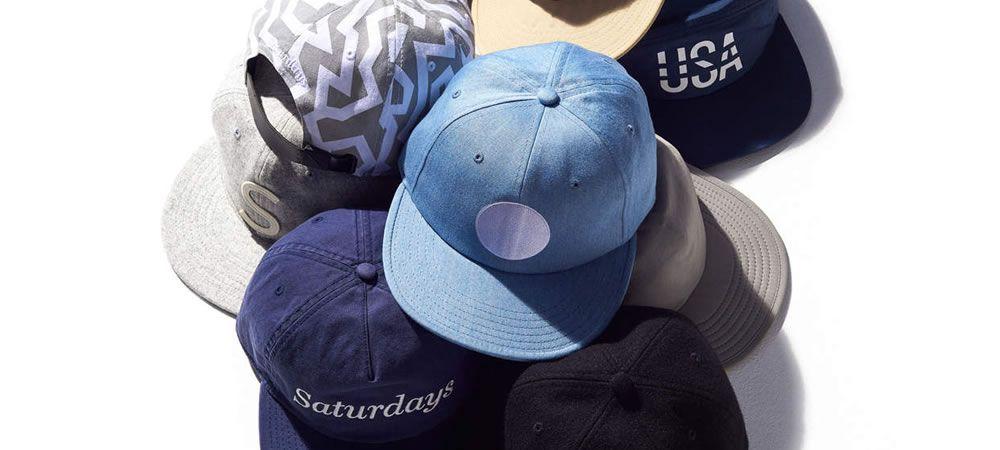
Investing in custom embroidery is one of the most effective ways to increase the market value of wholesale headwear. Unlike standard printing, embroidery offers a tactile, three-dimensional quality that consumers instantly associate with premium branding. For businesses navigating the competitive landscape of 2026, the return on investment (ROI) for embroidered goods consistently outperforms flatter decoration methods. This is particularly true for items like structured snapbacks, organic cotton dad hats, and heavyweight beanies. By understanding the technical costs and the perceived value of high-density stitching, brand owners can significantly boost their bottom line through strategic Bulk Headwear orders.
Why Embroidery Commands a Higher Retail Price Point
The primary driver of ROI in the apparel headwear industry is perceived value. A plain wholesale T-shirt or a blank hat has a relatively low price ceiling. However, adding a professionally digitized embroidery design transforms a basic commodity into a branded fashion statement. Consumers are historically willing to pay a 30% to 50% premium for embroidered products compared to screen-printed alternatives. This price gap exists because embroidery suggests durability, craftsmanship, and luxury. In the eyes of the customer, a stitched logo is permanent, whereas a print might eventually crack or fade over time.
For a brand focusing on "Quiet Luxury" or high-end streetwear, the ROI comes from this elevated price floor. When you source directly from a headwear factory, your base cost for a high-quality blank might be low. By adding a sophisticated tonal embroidery or a 3D puff stitch, you justify a retail price that covers your production, shipping, and marketing costs while leaving a healthy profit margin. This makes embroidery the gold standard for brands aiming for long-term growth and customer loyalty in 2026.
Calculating the Per-Stitch Cost in Bulk Headwear Orders
To truly understand your ROI, you must master the math of the embroidery process. Unlike printing, which is often priced by the number of colors, embroidery is priced by the "stitch count." A simple, minimalist logo might require 5,000 stitches, while a complex, full-panel design could exceed 15,000 stitches. When ordering headwear wholesale, every additional thousand stitches adds to the labor time and thread consumption. However, the cost increase is rarely linear. In large bulk headwear runs, the setup time is amortized across hundreds of units, making high-stitch designs more affordable on a per-unit basis.
Efficiency is the secret to a high ROI. Smart brand owners optimize their designs to look "expensive" without being overly dense. For example, using "negative space" within a logo can reduce the total stitch count while maintaining a bold visual impact. Choosing a skilled headwear factory that uses high-speed, multi-head Tajima or Barudan machines also ensures that your production remains cost-effective. By keeping your stitch count balanced, you maintain a lower production cost without sacrificing the premium "hand-feel" that drives retail sales.
The Durability Factor: Reducing Returns and Increasing LTV
A hidden component of ROI in the apparel industry is the reduction of customer returns and the increase in Lifetime Value (LTV). Screen-printed hats often suffer from peeling or cracking due to the curved surface of the headwear and exposure to the sun. Embroidery, however, is exceptionally resilient. A well-embroidered custom hat can withstand years of wear, washing, and weather exposure without losing its integrity. This durability means fewer disgruntled customers and fewer refund requests, which directly protects your profit margins.
Furthermore, a product that lasts longer builds a stronger brand reputation. When a customer wears your hat for two years and it still looks new, they are far more likely to return to your shop for their next purchase. This repeat business is the most cost-effective way to grow a brand. By investing in quality embroidery during the initial headwear wholesale phase, you are essentially investing in a long-term marketing asset that continues to represent your brand's quality every time it is worn in public.
Strategic Placement: Maximizing Visibility and Impact
Where you place your embroidery on the hat can also influence your ROI. While the front center is the most common location, adding "hits" to the side or back can increase the total value of the garment. For example, a small, subtle logo on the back arch above the snap closure adds a "boutique" feel to the product. While each extra location increases the factory's labor charge, it also allows you to position the hat as a "limited edition" or "premium" item. This strategy is particularly effective for wholesale custom hats aimed at the corporate or influencer markets.
In 2026, we are seeing a trend toward "multi-hit" headwear where the branding is integrated into the design rather than just slapped on the front. Using the sides of the hat for secondary branding—like a website URL or a founding year—creates a 360-degree branding experience. Since hats are worn at eye level, they provide the best "cost-per-impression" of any apparel item. High-quality embroidery ensures that these impressions are positive and professional, further cementing the value of your initial bulk investment.
Leveraging 3D Puff Embroidery for Streetwear Margins
For brands targeting the streetwear or sports-luxe segments, 3D puff embroidery is a powerful tool for boosting ROI. This technique involves placing a foam insert under the stitching to create a raised, architectural effect. It is a hallmark of high-end athletic headwear and premium streetwear brands. While 3D puff is more expensive than flat embroidery due to the specialized foam and increased stitch time, the retail markup it allows is significant.
Streetwear enthusiasts are often willing to pay a premium for the "depth" and "dimension" of a puff-stitched logo. In many cases, a hat with 3D embroidery can retail for $10 to $15 more than the exact same hat with flat stitching. If your additional cost at the headwear factory is only $2 per unit for the puff effect, your ROI on that specific upgrade is massive. This is a classic example of using technical customization to create a high-margin product from a standard wholesale blank.
Sourcing from the Right Headwear Factory for Consistency
The foundation of a successful ROI strategy is consistency. If the first 50 hats in your bulk order look great, but the next 50 have loose threads or crooked logos, your profit will be eaten up by quality control issues. This is why choosing a reliable headwear factory is more important than finding the absolute lowest price. A factory with modern equipment and strict internal inspection policies ensures that every unit in your headwear wholesale order is retail-ready.
When vetting a partner for bulk headwear, ask about their digitization process. Digitizing is the act of turning your artwork into a stitch file that the machine can read. Poor digitization leads to "thread breaks" and messy designs. A high-quality factory will provide a pre-production sample—either a physical hat or a high-res photo—to ensure the embroidery meets your standards. This step is vital for protecting your ROI, as it prevents costly mistakes before the full production run begins.
The Synergy Between Wholesale T-Shirts and Headwear
Many successful brands maximize their ROI by bundling Wholesale T-Shirts with matching custom hats. This "kit" approach increases the Average Order Value (AOV) on your website. For instance, a customer might come to your store looking for a heavyweight tee but leave with a matching embroidered hat because it completes the look. Since hats are "one size fits most," they are an easy add-on item that doesn't require the customer to worry about sizing charts.
From a logistics perspective, shipping a hat and a T-shirt together is often more cost-effective than shipping them separately. This consolidation of shipping costs, combined with the higher margins of embroidered headwear, creates a highly profitable business model. By sourcing both your apparel and your headwear through a coordinated wholesale strategy, you can offer a cohesive brand image that appeals to the 2026 consumer’s desire for curated, high-quality outfits.
FAQs
Is embroidery better than screen printing for custom hats?
Yes, for headwear, embroidery is generally superior. The curved surface of a hat makes screen printing difficult and prone to cracking. Embroidery is more durable, looks more professional, and allows for a higher retail markup, providing a better ROI for bulk orders.
What is the average cost of embroidery for wholesale hats?
The cost usually depends on the stitch count and the quantity ordered. For bulk orders of 100+ units, flat embroidery typically ranges from $2.00 to $5.00 per hat. 3D puff embroidery adds a premium, usually around $1.00 to $2.00 extra per unit.
How many stitches are in a typical hat logo?
A standard front-panel logo usually contains between 5,000 and 10,000 stitches. Complex designs or those with filled backgrounds can go up to 15,000 or more. Minimizing stitch count without losing detail is key to keeping costs low.
What is "digitizing" in embroidery?
Digitizing is the process of converting a digital image (like a PNG or AI file) into a specialized format that an embroidery machine can follow. This is a one-time fee per design, and high-quality digitization is essential for a clean, professional finish.
Can I embroider on any type of wholesale hat?
Most wholesale headwear is suitable for embroidery, but fabric thickness matters. Structured snapbacks and heavyweight beanies handle high-stitch counts well. Unstructured "dad hats" or very thin fabrics may require simpler designs to prevent the fabric from puckering.

 English