
Identifying Safety Weaknesses in Motorcycle Riding Gear
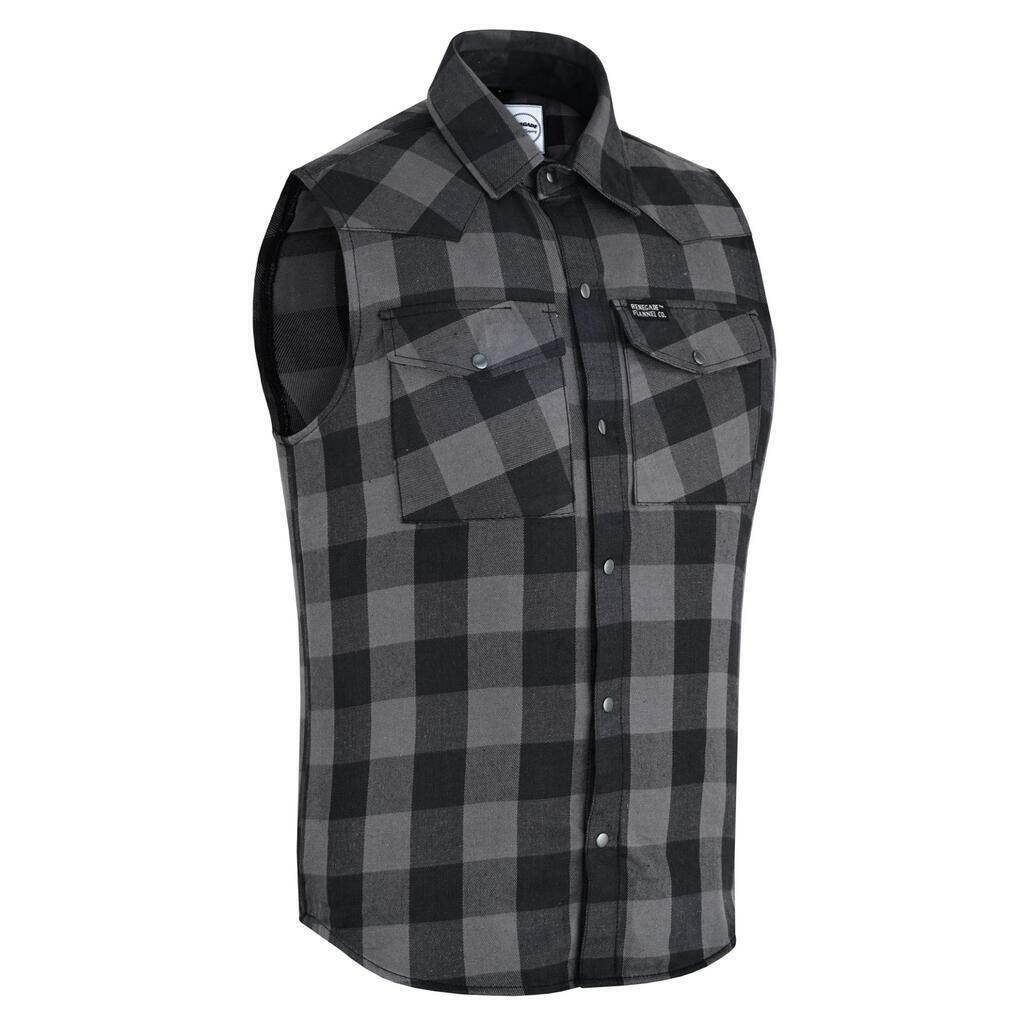
Riding apparel serves as a critical layer of protection, comfort, and performance enhancement for motorcyclists, equestrians, and other riders exposed to dynamic environments. Identifying weak points in riding apparel is essential for ensuring safety, durability, and optimal functionality. This article systematically examines the methodologies experts use to assess apparel integrity, with a specific focus on high‑performance items such as the brown leather vest and men textile riding vest. The goal is to provide a comprehensive, fact‑driven reference on how professionals evaluate structural vulnerabilities, material performance, and ergonomic deficiencies for long‑term reliability.
Understanding Riding Apparel and Its Critical Role
Riding apparel refers to garments engineered to protect riders from mechanical impact, abrasion, weather extremes, and fatigue. Core performance criteria include:
-
Impact resistance: The ability to absorb or deflect forces during collisions or falls.
-
Abrasion resistance: The capacity of fabrics and leathers to withstand sliding against rough surfaces without failure.
-
Thermal regulation: Managing heat and moisture for rider comfort and endurance.
-
Ergonomic fit: Ensuring unrestricted movement, posture support, and stability during extended rides.
Weak points in apparel compromise one or more criteria, reducing protective efficacy and user confidence. Identifying these weak points enables manufacturers, safety regulators, and riders to make informed improvements and equipment choices.
Core Areas of Vulnerability in Riding Apparel
Identifying weak points requires an understanding of where failure is most likely to occur. Industry evaluations focus on several key elements:
1. Material Weaknesses
Advanced riding vests and jackets commonly use high-tenacity textiles such as Cordura®, ballistic nylon, and premium leather to provide durability and protection. Industry testing standards like ISO 13595, which evaluates abrasion resistance in protective clothing, help identify threshold failure points in these materials.
Factors such as fiber denier and weave tightness play a significant role in overall performance, as lower denier fibers or loosely woven fabrics can lead to faster abrasion damage during a slide or impact. In leather garments, thickness and proper conditioning are equally important because leather that is too thin or poorly treated may tear under stress. Weak points frequently occur at material interfaces, particularly where different fabrics or substrates are joined together, making these areas critical for inspection and reinforcement.
2. Structural Stress Zones
During riding, certain areas of apparel experience concentrated mechanical stress, making them more prone to failure. Seams and stitch lines are often the weakest points due to stress concentration and the limitations of thread strength. Closure points, including zippers, snaps, and Velcro® fasteners, are subjected to repeated cyclic loading, which can result in separation or distortion over time. Additionally, articulation zones such as the shoulders, elbows, and back panels, which flex continuously with movement, may develop fatigue cracks or fabric thinning. Accurately identifying weak points in a brown leather vest or men textile riding vest requires careful examination of how mechanical loads are distributed across these critical areas during realistic riding motions.
3. Protective Armor Integration
Performance riders expect integrated protective armor (CE‑rated foam or hard inserts) in strategic zones. Weaknesses occur when:
-
Armor placement does not align with anatomical impact zones.
-
Attachment systems allow armor displacement during high‑impact events.
-
Insufficient coverage leaves legacy gaps, particularly in the upper chest or kidneys.
Methodologies for Identifying Weak Points
Professional assessment of apparel integrity uses a combination of laboratory, field, and analytical techniques.
1. Standardized Laboratory Testing
Authorities such as EN 1621, which focuses on impact protection, and EN 13594, which evaluates glove abrasion resistance, establish performance benchmarks that help identify weak points in protective riding apparel. During abrasion resistance tests, garments are rubbed against standardized surfaces under controlled conditions to measure how quickly materials degrade when exposed to friction.
Impact attenuation tests are also conducted, where protective armor and integrated garment sections are subjected to calibrated strikes to evaluate how effectively they absorb and distribute force. These controlled testing methods help reveal localized weaknesses in materials or construction that may not become noticeable during normal or casual wear.
2. Finite Element Analysis (FEA)
Finite Element Analysis (FEA) employs computer simulations to map stress distributions across garment components under dynamic load conditions. These analytical models can identify which seams are most likely to fail first, reveal how materials respond to localized tension or compression, and determine optimal reinforcement patterns for high‑stress zones. For riding apparel such as a brown leather vest or men textile riding vest, this predictive approach enables manufacturers to enhance durability and protective performance efficiently, reducing the need for extensive physical prototyping while ensuring that weak points are addressed before production.
3. Field Performance Monitoring
Rider feedback, post-use inspections, and wear-pattern analysis play an important role in evaluating the durability and performance of riding apparel. Experts carefully observe areas where fabric begins to thin, as this can gradually reduce protective capability over time. They also track closure failures, including issues like zipper distortion or weakened fasteners, which are common points of structural weakness.
In addition, the position of protective armor panels is monitored to ensure they do not shift or migrate during use, since improper placement can compromise rider safety. Real-world observations are particularly valuable for men’s lightweight riding vests, as they often reveal weak points that may not appear during laboratory testing. This combined evaluation approach helps ensure both the long-term durability of the apparel and effective protection for riders.
Expert Insights & Best Practices
Industry professionals and product designers use structured approaches to detect and mitigate weak points:
1. Layered Material Strategies
Combining materials of complementary strengths (e.g., leather overlay on textile base) enhances protection and minimizes failure paths. Strategic reinforcement with high‑tenacity panels at elbows, shoulders, and lower back helps distribute impact and reduce wear.
2. Reinforcement at Seams
Experts recommend several techniques to strengthen seams in riding apparel and reduce the risk of failure. These include the use of bonded seams or bar-tacked reinforcements in high-load areas where stress is concentrated. Triple stitching with high-tensile thread is also commonly applied in zones that experience significant abrasion and repeated flexing.
In addition, designers optimize seam placement so that stitch lines do not fall directly along common wear paths. Together, these construction methods help minimize seam failure and improve durability under cyclic loading conditions.
3. Ergonomic Integration
Apparel designers aim to ensure that protective features do not restrict a rider’s natural movement. To achieve this, garments often incorporate stretch panels that provide additional flexibility and allow the body to move freely during riding. Pre-curved sleeves are also commonly used to match the natural riding posture, reducing strain on the arms and shoulders during long rides.
In addition, adjustable waist and chest closures help riders achieve a more customized and secure fit. When riding apparel fits properly, it distributes stress more evenly across the garment, which helps reduce strain on materials and prevents premature fatigue or wear.
4. Modular Protection Systems
Removable armor systems allow riders to upgrade or replace worn pads without changing the entire garment, reducing long‑term weak points and cost.
Common Mistakes and Misconceptions
1. Assuming Material Strength Is Uniform
Even high‑strength fabrics exhibit localized weaknesses at attachments, closures, or transitions between materials.
2. Ignoring Fit and Sizing Effects
A well‑fitting men lightweight riding vest distributes stress evenly. Poor fit can create tension points that accelerate wear.
3. Neglecting End‑User Usage Patterns
Weak points often emerge only after repetitive use under harsh environments. Laboratory results must be interpreted alongside field data.
Conclusion
Identifying weak points in riding apparel is a multifaceted process that combines laboratory standards, computational analysis, and real‑world observations. Durable performance depends on understanding material behavior, structural integrity, ergonomic design, and environmental effects. Whether evaluating a brown leather vest or optimizing the fit and protection of a men textile riding vest, systematic assessments ensure that apparel meets safety expectations and rider needs. Thorough evaluation ultimately enhances protection, comfort, and lifespan, supporting safer riding experiences across disciplines.
FAQs
1. What defines a weak point in riding apparel?
A weak point is any structural or material area prone to failure under stress, abrasion, or impact that compromises protection or durability.
2. How do professionals test riding apparel for weak points?
Experts use standardized abrasion tests, impact attenuation protocols, computer modeling, and field performance monitoring to uncover weaknesses.
3. Can weak points be reinforced after manufacturing?
Targeted reinforcement such as adding abrasion patches, upgrading thread, or installing external armor can mitigate identified weak points.
4. Are seams always the first failure points?
Seams are common weak points due to stress concentration but closures, rigid inserts, and high‑flex panels may also fail first depending on design.
5. How does fit affect weak points?
Improper fit increases localized tension, leading to faster wear and reduced protective performance.
6. What role does rider feedback play in identifying weak points?
Rider feedback helps reveal long‑term wear patterns and real‑world failure modes that laboratory tests may not capture.
7. Do all riding vests offer the same durability?
No. Material selection, stitching quality, reinforcement strategies, and ergonomic design differentiate durability across products.

 English