
Solving Rashguard Manufacturing: A B2B Production Guide
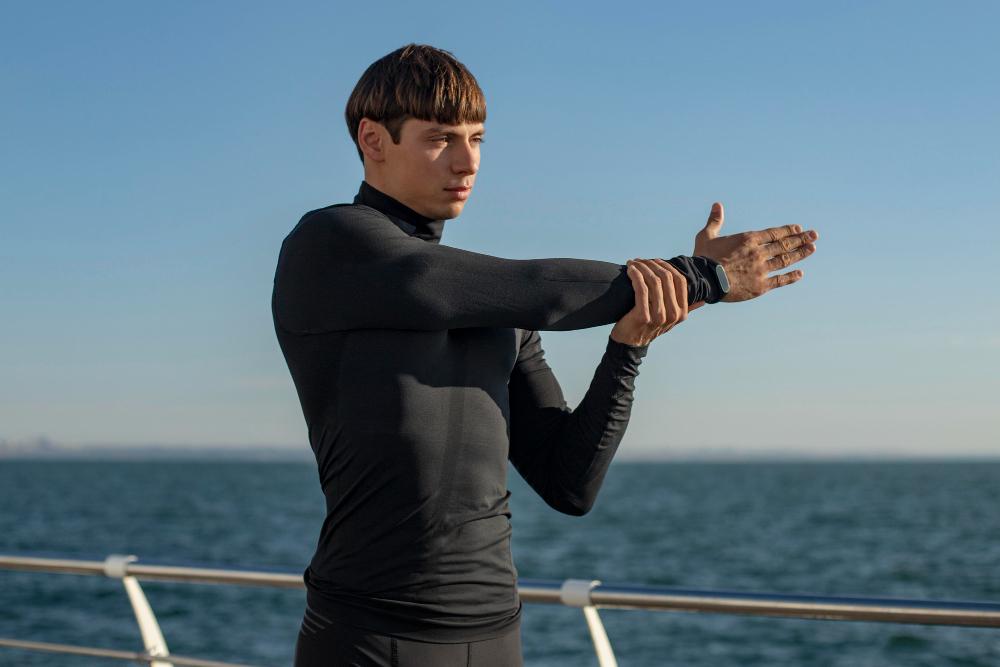
In the high-performance sector of the aquatic apparel industry, the rashguard (or rash vest) is the undisputed workhorse. Unlike fashion bikinis or leisure trunks, a rashguard is a functional tool. It is expected to provide a physical barrier against board chafing, offer skin protection from marine stings, and—most importantly—act as a reliable shield against ultraviolet radiation.
For B2B buyers and private label brands, the "performance gap" in rashguard production is where most customer complaints originate. If the garment fails to perform as a technical piece of equipment, the brand’s credibility suffers. As industry manufacturing experts, we’ve identified the five primary problems that plague this category and how to engineer your way out of them.
1. The UPF Certification Gap
The primary value proposition of a rashguard is its UPF (Ultraviolet Protection Factor) rating. However, many manufacturers rely on "implied" protection rather than verified performance.
-
The Problem: Standard polyester-spandex blends might offer basic coverage, but without specific knit density or UV-absorbing finishes, the protection level can drop significantly when the fabric is wet or stretched.
-
The Expert Solution: Source fabrics that are specifically engineered for UPF 50+ protection. Ensure your manufacturer provides a laboratory test report (such as AATCC 183) for every batch. To be truly authoritative, your product should maintain its rating even after 40 simulated washes.
2. Seam Abrasion and "The Chafe Factor"
The very name "rashguard" implies the prevention of skin irritation. Ironically, poor manufacturing often makes the garment the source of the rash.
-
The Problem: Traditional overlock or safety stitches create a raised internal ridge. Under the repetitive motion of paddling or swimming, this ridge acts like sandpaper against the skin.
-
The Expert Solution: High-quality rashguard production must utilize Flatlock Stitching (specifically 4-needle 6-thread). This technique creates a seam that is perfectly flat on both the inside and outside of the garment. Additionally, using a specialized "soft-stretch" nylon thread—rather than a standard polyester thread—significantly reduces friction against the dermis.
3. Fabric "Grinning" and Sublimation Failure
Because rashguards are often used as promotional or team-wear, custom branding via sublimation printing is standard. However, technical issues often arise once the garment is worn.
-
The Problem: "Grinning" occurs when a dark-colored print is stretched, revealing the white base fibers underneath. This makes the product look cheap and poorly constructed.
-
The Expert Solution: Use high-gauge, "black-out" base fabrics or double-sided knits. Ensure the sublimation process uses high-pressure heat settings and premium Italian inks (like Kiian) that penetrate deeper into the fiber. This ensures the color remains vibrant and opaque even at maximum elongation.
4. The Loss of Compression (Fiber Fatigue)
A technical rashguard needs to stay tight to the body to prevent "drag" in the water.
-
The Problem: After a few weeks of exposure to salt water and high-intensity movement, low-grade elastane loses its "modulus" (recovery power). The sleeves begin to sag, and the waist rolls up, rendering the garment useless for serious athletes.
-
The Expert Solution: Specify a high-percentage Lycra® Xtra Life™ or a specialized high-power spandex blend (typically 18–22% elastane). These fibers are designed to resist the "bag and sag" effect. Additionally, adding a "board-short connector" loop at the front hem is a simple manufacturing detail that solves the rolling-up problem for surfers.
5. Inadequate Moisture Management (The "Cold-Cling" Effect)
A common complaint among users is that their rashguard stays heavy and freezing cold long after they leave the water.
-
The Problem: Standard swim fabrics hold onto water. In a B2B context, if your gear doesn't dry quickly, it’s not a true performance garment.
-
The Expert Solution: Implement a Moisture-Wicking (hydrophobic) treatment at the textile stage. Fabrics treated with a quick-dry finish allow water to bead off the surface and promote rapid evaporation. This keeps the wearer comfortable and helps regulate body temperature—a key selling point for high-end activewear brands.
Comparison: Performance vs. Standard Rashguard Specs
| Technical Feature | Standard "Fashion" Rashguard | Expert "Performance" Rashguard |
| Stitch Type | 3-Thread Overlock | 6-Thread Flatlock |
| UV Protection | Unverified / Variable | Certified UPF 50+ (Lab Tested) |
| Elasticity | Standard Spandex | High-Modulus Chlorine Resistant |
| Ink Quality | Standard Grade | High-Penetration Sublimation |
Scaling Your Rashguard Line
The rashguard market is moving toward specialized, technical "compression-lite" gear. Success in this B2B niche requires a manufacturer that understands the physics of water and the biology of the skin. By focusing on flatlock construction, certified UV protection, and superior fabric recovery, you can position your brand as a leader in the protective swimwear space.
When your manufacturing is grounded in technical excellence, your marketing becomes much easier—because the product actually does what it says on the label.

 English