
Spot Weld Aluminium: Techniques, Applications, and Best Practices for Industrial Manufacturing
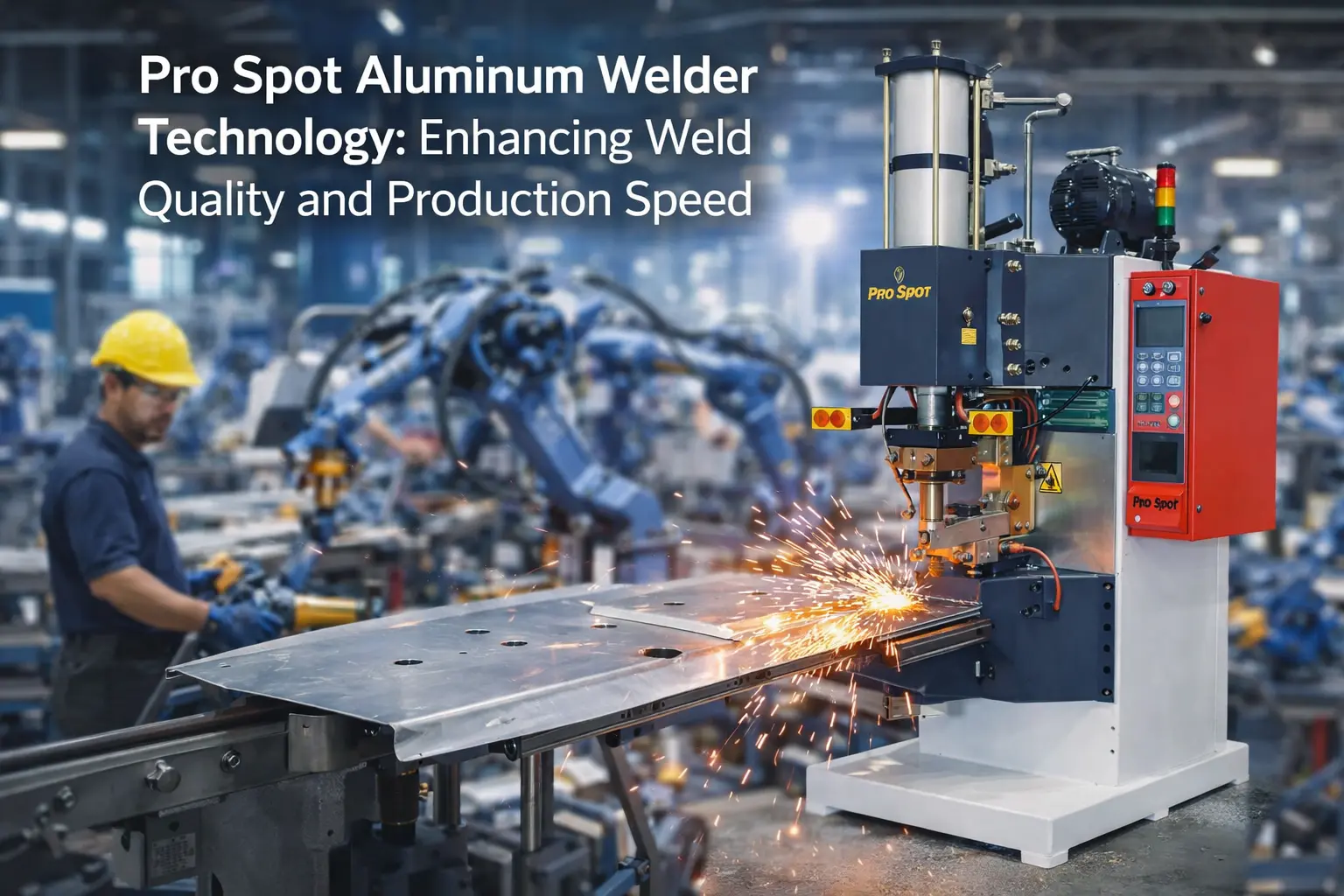
In modern manufacturing, aluminum has emerged as a critical material across automotive, aerospace, and industrial applications. Its lightweight nature, corrosion resistance, and strength-to-weight ratio make it ideal for high-performance components. However, joining aluminum effectively requires specialized welding techniques. Among these, spot welding aluminium has become a cornerstone method for fast, reliable, and automated assembly processes.
Heron Welder, a global leader in industrial welding solutions, provides cutting-edge resistance welding machines, self-pierce riveting systems, and automated production lines designed to meet the challenges of aluminum fabrication with precision and efficiency.
Understanding Spot Welding Aluminium
Spot welding is a type of resistance welding where heat generated by electrical resistance fuses metal sheets together at discrete points. For aluminum, this process presents unique challenges:
-
High Thermal Conductivity – Aluminum dissipates heat rapidly, requiring higher current and precise timing.
-
Oxide Layer Formation – Aluminum forms an insulating oxide layer that can reduce weld quality if not properly managed.
-
Softness and Malleability – Aluminum’s lower melting point and ductility demand precise electrode pressure to prevent distortion.
Heron’s advanced MFDC (Medium-Frequency Direct Current) spot welding machines are specifically engineered for aluminum, offering consistent heat control and adaptive electrode force to ensure high-quality welds with minimal defects.
Key Applications of Spot Welding Aluminium
Spot welding aluminum is widely used in industries where lightweight structures are critical:
Automotive Manufacturing
Automakers increasingly rely on aluminum to reduce vehicle weight and improve fuel efficiency. Spot welding aluminum is employed for body panels, chassis components, and battery enclosures in electric vehicles. Heron’s automated spot welding solutions integrate seamlessly into high-volume production lines, offering consistent weld quality and reduced cycle times.
Aerospace and Aviation
Aluminum alloys dominate aerospace structures due to their strength-to-weight ratio. Precision spot welding ensures structural integrity in airframes, brackets, and interior assemblies. Heron’s specialized controllers provide precise current and timing adjustments to meet strict aerospace quality standards.
Industrial and Consumer Products
From HVAC panels to aluminum furniture and enclosures, spot welding offers a clean, repeatable method for joining thin aluminum sheets efficiently. Heron’s spot welders deliver reliable, high-speed production for OEMs and contract manufacturers.
Comparing Spot Welding with Other Aluminum Joining Methods
When selecting a joining method for aluminum, manufacturers often compare spot welding, MIG/TIG welding, and mechanical fastening:
| Method | Advantages | Considerations |
|---|---|---|
| Spot Welding | Fast, automated, minimal filler, suitable for thin sheets | Requires precise control, high initial setup cost |
| MIG/TIG Welding | Strong joints, versatile for complex shapes | Slower, may require filler metal, more skilled labor |
| Mechanical Fastening (Rivets, Bolts) | No heat distortion, easy assembly/disassembly | Heavier joints, more labor, potential stress concentrations |
For high-volume manufacturing of aluminum sheet components, spot welding offers unmatched speed and automation potential especially when combined with Heron’s MFDC welding machines and robotic integration.
Best Practices for Spot Welding Aluminium
Achieving optimal aluminum spot welds requires a combination of correct machine settings, electrode care, and process monitoring:
-
Electrode Selection – Use copper alloys with proper tip geometry for aluminum to maximize heat transfer.
-
Current and Pulse Control – Adjust current levels precisely to account for aluminum’s thermal conductivity. MFDC welding allows accurate microsecond control for consistent weld nuggets.
-
Electrode Maintenance – Regular dressing of electrode tips prevents oxidation build-up and ensures consistent welding force.
-
Sheet Preparation – Clean sheets and proper alignment reduce the risk of poor welds.
-
Automation Integration – Robotic arms and servo-controlled welding guns enhance repeatability and reduce operator variability.
Heron’s resistance welding systems include intuitive controllers and monitoring tools that allow engineers to fine-tune parameters and track weld quality in real time.
Heron’s Expertise in Aluminum Welding Automation
Heron Welder doesn’t just supply machines; it delivers complete aluminum welding solutions. Our offerings include:
-
Spot Welding Machines: MFDC and capacitor discharge models for high-speed production.
-
Automated Welding Lines: Integrated systems with robots, conveyors, and vision-based quality checks.
-
Custom Welding Guns and Electrodes: Tailored for aluminum alloys and specific production requirements.
-
Process Consulting: Expert guidance on parameters, layout, and maintenance to maximize uptime and efficiency.
Our solutions are trusted by OEMs, industrial manufacturers, and automation integrators worldwide for reliability, precision, and scalability.
Frequently Asked Questions (FAQs)
1. Can standard steel spot welding machines weld aluminum?
No. Aluminum requires higher currents and precise MFDC control due to its thermal conductivity and oxide layer, making standard steel welders unsuitable.
2. What thickness of aluminum sheets can be spot welded?
Heron’s spot welding systems can handle thin sheets starting at 0.5 mm up to several millimeters, depending on alloy and application.
3. How does electrode wear affect aluminum spot welding?
Electrode wear can reduce heat transfer and weld quality. Regular electrode maintenance and proper alloy selection are critical for consistent performance.
4. Can spot welding aluminum be automated?
Yes. Heron integrates spot welding machines with robotic arms, conveyors, and sensors to create fully automated production lines with minimal human intervention.
5. What are the advantages of MFDC spot welding for aluminum?
MFDC provides precise current control, shorter welding cycles, and improved energy efficiency, making it ideal for high-volume aluminum manufacturing.
Conclusion: Optimize Aluminum Fabrication with Heron Welder
Spot welding aluminum is a critical capability for manufacturers aiming to combine lightweight materials with high productivity. By implementing advanced resistance welding technologies, adhering to best practices, and leveraging automation, manufacturers can achieve strong, repeatable, and high-quality welds.
Heron Welder offers industry-leading solutions, from MFDC spot welding machines to fully automated aluminum welding lines, designed to meet the demands of OEMs, industrial manufacturers, and automation integrators.
Ready to elevate your aluminum fabrication process? Contact Heron today to request a quote or consult our experts for custom welding and automation solutions tailored to your production needs.

 English